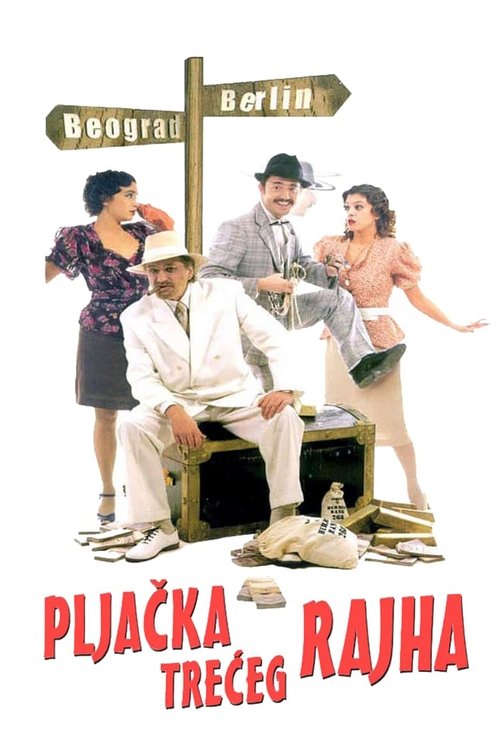
The Break
1989
No user ratings available yet
Representation score: 3.1 out of 10
Representation Score
Limited
2004
Director
Zdravko Šotra
Runtime
105 minutes
Average Rating
No ratings yetNew Showbiz Analysis
The film's strength lies in its thematic subversion of power. By casting thieves as protagonists against the Nazi regime, it replaces traditional military heroism with individualistic ability to act. This framework challenges the sanctity of oppressive institutions. However, the film lacks explicit representation of many identity groups, such as LGBTQ+ characters or individuals with disabilities, which significantly lowers the overall score. Ultimately, the work functions as a critique of colonial and occupational dynamics, prioritizing anti-authoritarianism and local resistance over conventional wartime hierarchies.
Category Breakdown
The film does not include any characters or narratives related to LGBTQ+ identities.
The story focuses on male thieves, but it may challenge traditional masculine authority by undermining rigid, patriarchal military structures.
Set in 1941 Belgrade, the film examines ethnic tensions and the ability to act of local residents fighting against a foreign occupying force.
The narrative uses criminality as a means of resistance against a totalitarian institution, criticizing state-imposed morality through situational ethics.
There is no information about the depiction of physical disabilities or neurodivergence in this work.
Present on Screen
Limited or Absent
Official Synopsis
During 1941 in Belgrade, two well-known thieves try to carry out the biggest robbery of Nazi authorities ever.
1989
1956
1983
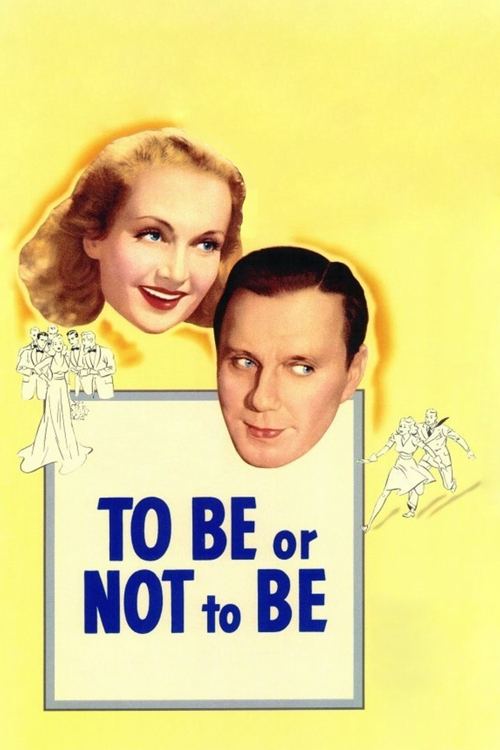
1942
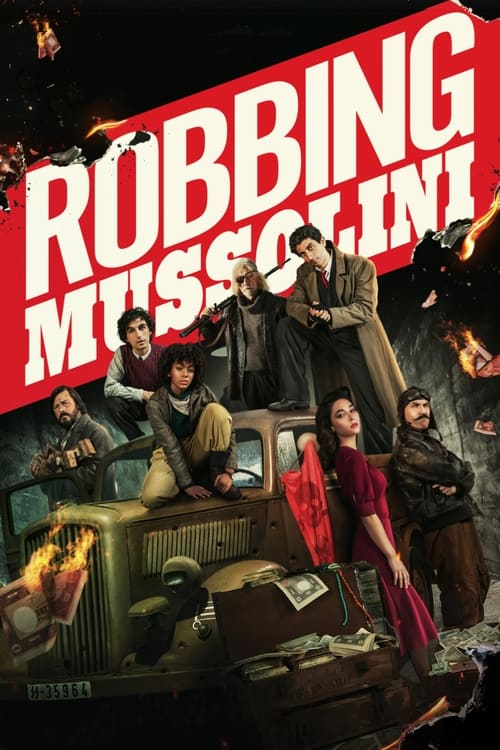
2022
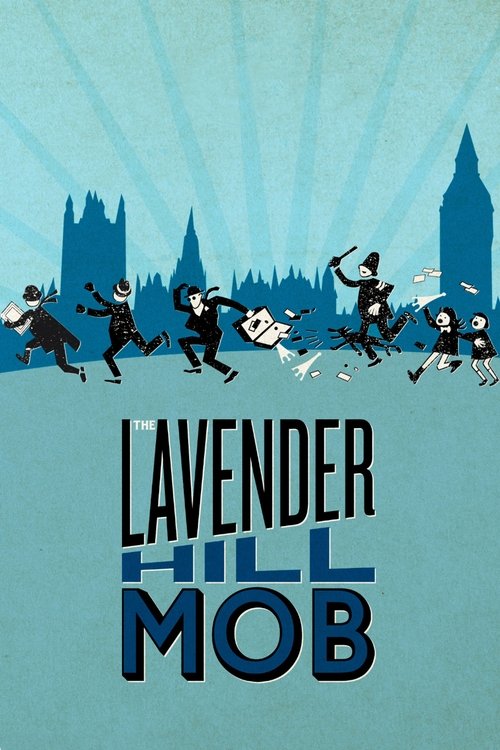
1951
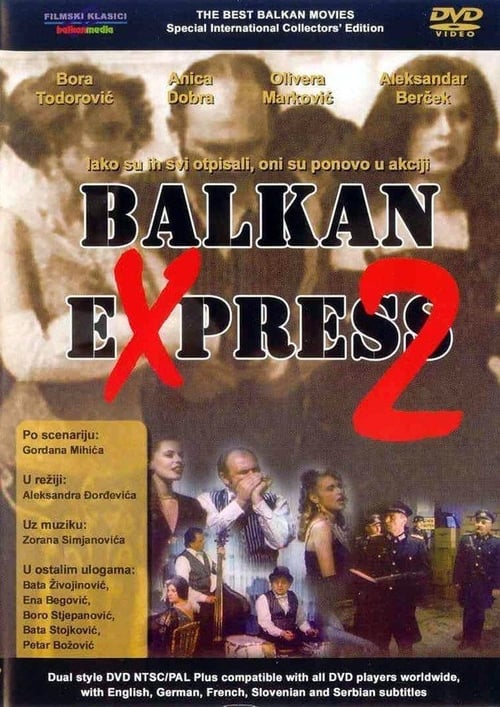
1988
1946
No reviews yet. Be the first to share your thoughts on this movie!
Use the rating form above to leave a star rating and optional review.