
May 15th
1969
No user ratings available yet
Representation score: 4.4 out of 10
Representation Score
Fair
1968
Director
Alain Resnais
Runtime
94 minutes
Average Rating
No ratings yetNew Showbiz Analysis
Alain Resnais's work is a sophisticated exploration of memory and subjective experience, prioritizing narrative complexity over broad demographic representation. While it lacks meaningful representation of LGBTQ+ or diverse ethnic identities, the film excels in critiquing the stability of objective reality. The fragmented narrative structure challenges the idea of a single, objective truth, providing a nuanced look at personal experience. However, the film's Eurocentric perspective and use of mental health issues as plot devices limit its scope.
Category Breakdown
The film centers on heterosexual relationships and does not include any LGBTQ+ identities or queer themes in the main character arcs.
The story avoids traditional gender roles by focusing on the breakdown of relationships and emotional instability, rather than stable partnerships.
This film features a predominantly white, European cast and lacks diverse ethnic representation, reflecting the cultural context of 1960s France.
The film effectively portrays the subjectivity of truth and moral relativism. It criticizes scientific authority by showing clinical institutions as dehumanizing through a fragmented structure.
Psychological trauma and a suicide attempt drive the plot, but these elements serve as science-fiction devices rather than a detailed exploration of neurodivergence.
Present on Screen
Limited or Absent
Official Synopsis
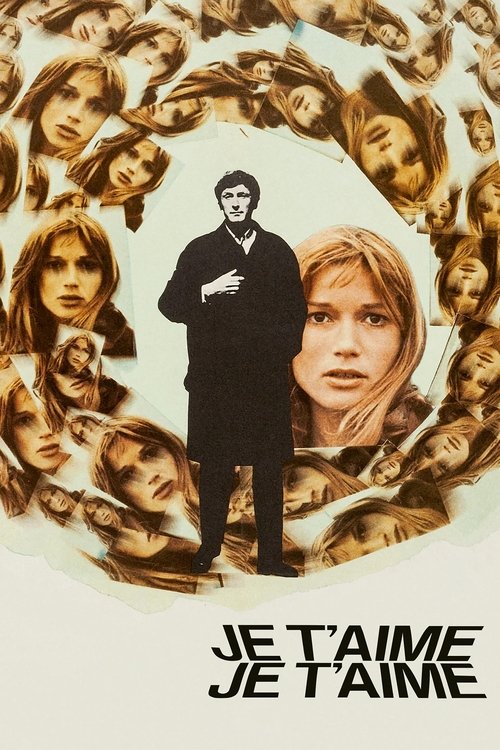
Recovering from an attempted suicide, a man is selected to participate in a time travel experiment that has only been tested on mice. A malfunction causes the man to experience moments from his past in a random order.
1969
1961
1969

1963

2011
1972
1975
2018
No reviews yet. Be the first to share your thoughts on this movie!
Use the rating form above to leave a star rating and optional review.