
CQ
2001
No user ratings available yet
Representation score: 3.1 out of 10
Representation Score
Excellent
2008
Not RatedDirector
Harmony Korine
Runtime
112 minutes
Average Rating
No ratings yetNew Showbiz Analysis
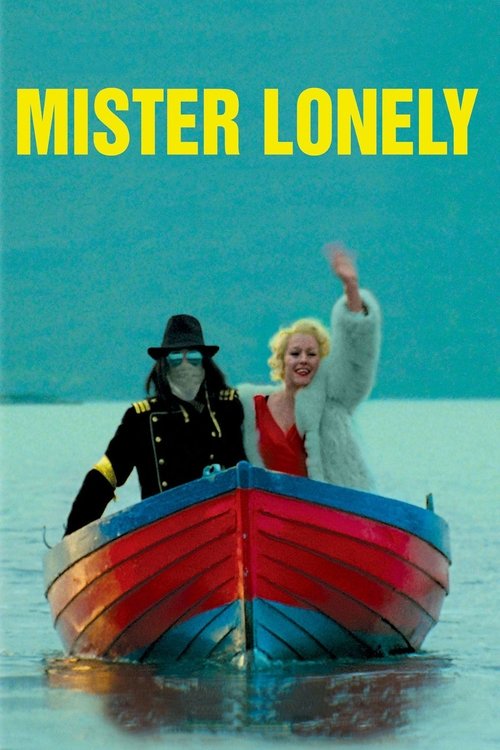
Mister Lonely is a postmodern deconstruction of identity that treats history and gender as malleable performances. It excels at challenging Western cultural institutions and traditional social structures through a lens of surrealism and moral relativism. However, the film lacks depth in specific representation categories. While it subverts norms, it does not provide actively leading characters or explicit explorations of racial politics and disability. Ultimately, the film is a study in social alienation and the artificiality of the self, prioritizing the disruption of conventional expectations over traditional narrative cohesion.
Category Breakdown
The film avoids storytelling centered around straight relationships by using queer aesthetics and behaviors that hint at LGBTQ+ themes. It emphasizes the fluidity of identity and subtle queer references without focusing on a specific LGBTQ+ character.
Gender is shown as a series of costumes and performances rather than fixed roles. The film avoids traditional stereotypes of masculinity and femininity, opting instead for a non-naturalistic portrayal.
The film features a stylized cast that resists mainstream homogeneity. Although it doesn't delve deeply into multi-layered issues, it deconstructs fixed racial identities by linking characterization to performance.
The narrative provides a sophisticated critique of Western institutions and objective truth. By framing history as a series of scripts, it embraces moral relativism and social alienation.
Representation of disabilities is limited and incidental to the film's surreal landscape. Psychological instabilities are presented as a baseline state rather than a source of moral growth or specific empowerment.
Present on Screen
Limited or Absent
Official Synopsis
In Paris, a young American working as a Michael Jackson lookalike meets Marilyn Monroe, who invites him to her commune in Scotland, where she lives with Charlie Chaplin and her daughter, Shirley Temple.
2001
1974

2008
1987
2009
1982
1978

1986
No reviews yet. Be the first to share your thoughts on this movie!
Use the rating form above to leave a star rating and optional review.