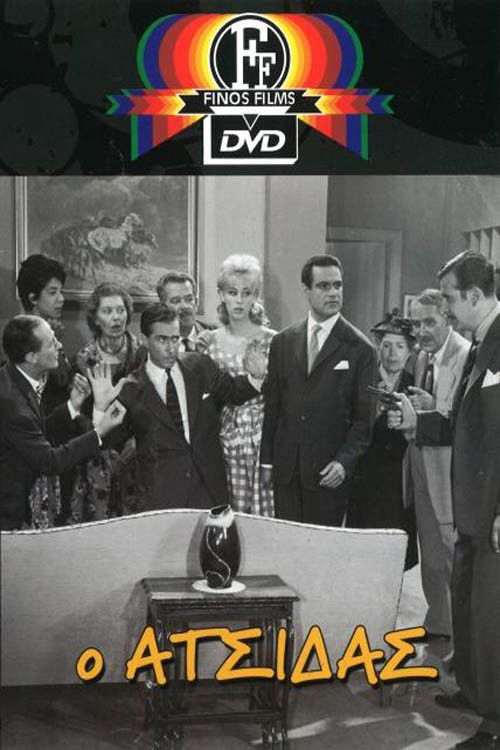
The Wise Guy
1962
No user ratings available yet
Representation score: 2.6 out of 10
Representation Score
Limited
1973
Director
Giannis Dalianidis
Runtime
98 minutes
Average Rating
No ratings yetNew Showbiz Analysis
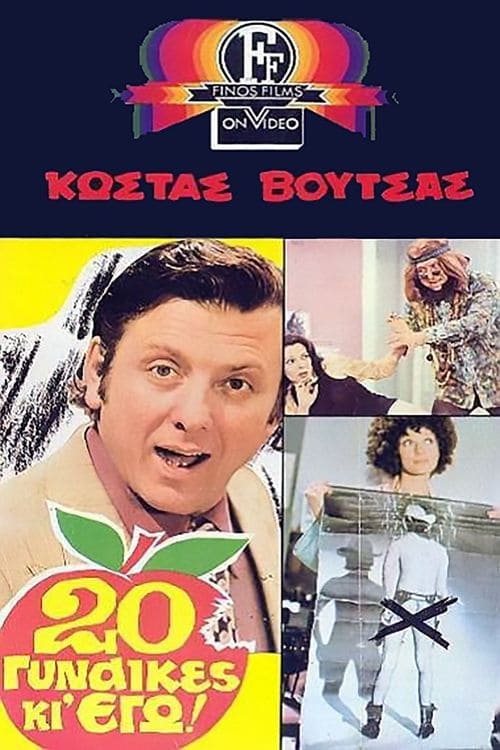
Twenty Women and I challenges traditional patriarchal structures by placing a female-led community at the center of the narrative. Female characters, including the matriarch Smaro and the lingerie business employees, actively shape the protagonist's life and romantic journey. However, the film adheres to 1970s social norms, concluding with conventional milestones like marriage and pregnancy to achieve closure. This reinforces the traditional nuclear family structure. Overall, the film provides a culturally specific perspective on Greek domestic life, emphasizing traditional social solutions while highlighting women's ability to drive the story.
Category Breakdown
The film focuses on heterosexual milestones such as marriage and pregnancy. There are no queer identities or hints of LGBTQ themes in the story.
Women play a significant role in driving the plot, influencing the male protagonist's decisions. Despite the ending favoring marriage, female characters explore personal desires for divorce and further education.
The setting depicts a homogeneous Greek society. There is no indication of diverse racial or ethnic backgrounds in the story.
The story examines the tensions within traditional institutions and religious practices. It uses humor to critique rigid social and familial expectations, creating a comedic contrast.
The narrative does not include characters dealing with physical or neurological disabilities.
Present on Screen
Limited or Absent
Official Synopsis
A bunch of women dominates Kostas Filipou's life. His mother Smaro and his three sisters: married Rika - who wants to take a divorce -, religious Fanouria and Tzela the student. The last two have to get married. There are also the women who work at the women's lingerie business that he runs, many of whom see him as a potential husband, as well as Betty, a colleague deeply in love with him, whose mother pressures her to get married. When Kostas secretly marries Betty, who rents with her mother an apartment above theirs, Smaro decides to find both of them a mate. She suggests to Betty the neighborhood's electrician- but Kostas finds a way to break the match- and to Kostas a young woman from Veroia- but Betty manages to break the match. The revelation of the couple's marriage relieves everyone and the fact that Betty is pregnant brings the desired peace and serenity.
1962
2006
1999
1970
1958
1968
1969
1964
No reviews yet. Be the first to share your thoughts on this movie!
Use the rating form above to leave a star rating and optional review.