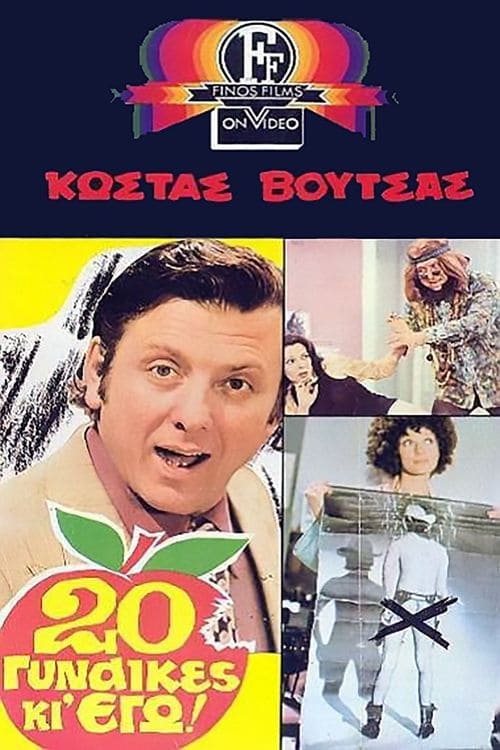
Twenty Women and I
1973
No user ratings available yet
Diversity score: 3.7 out of 10
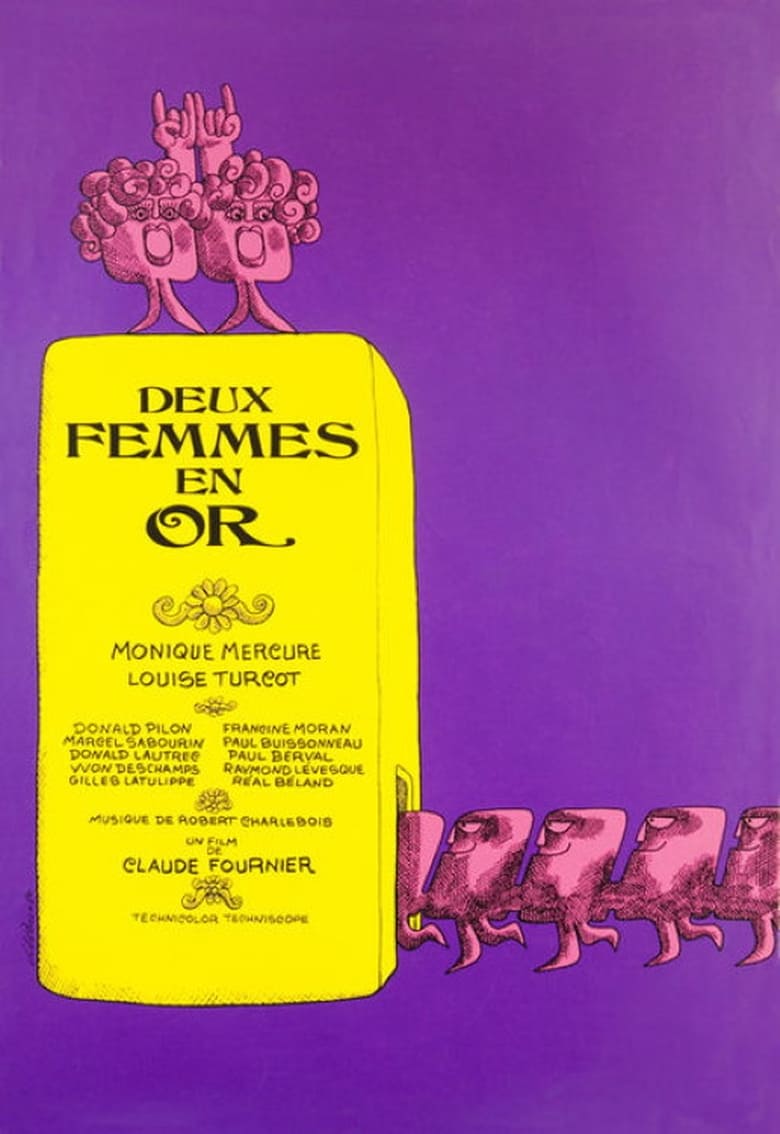
1970
Director
Claude Fournier
Runtime
107 minutes
Average Rating
No ratings yetSynopsis
Two bored Montreal housewives (Monique Mercure & Louise Turcot), with inattentive husbands (Marcel Sabourin & Donald Pilon), and lots of time on their hands, amuse themselves by paying the local tradesmen something extra to give them amorous attention. Their entertainment leads to frantic confusion, however, when one of the visiting gentlemen - shall we say - 'expires'. The housewives deal with their unpleasant situation quite energetically.
Overall Score
Limited
Category Breakdown
LGBTQ+ Representation
The film focuses on heterosexual dynamics and transactional romantic attention. It lacks non-cisnormative identities or narratives that critique heteronormativity.
Gender Representation
The story subverts traditional hierarchies by centering two women who actively manipulate their environment. The husbands are portrayed as inattentive, leaving the women to drive the plot through their own agency.
Racial & Ethnic Diversity
The cast is predominantly homogeneous, reflecting the demographic norms of its specific era and setting. There is no evidence of a diverse ethnic tapestry.
Religious & Cultural Diversity
The narrative critiques the sanctity of marriage and the nuclear family. It uses moral relativism to prioritize the protagonists' survival and agency over conventional ethical structures.
Disability Representation
There are no prominent depictions of physical or neurodivergent disabilities serving as central character arcs or plot devices.
Strengths
Areas for Improvement
AI Analysis
Two Women In Gold succeeds in deconstructing the domestic ideal by replacing the submissive housewife trope with women who exert significant agency. The film's strength lies in its subversion of gendered power dynamics and its energetic approach to social disruption. However, these narrative gains are limited by a lack of intersectional depth. The film remains demographically narrow, offering little in the way of racial or LGBTQ+ representation. Ultimately, the film is a study in gendered agency set against a very traditional and homogeneous social backdrop.
1973

1970

1968

1966
1969
2025

1968
1974
2007
1977
1976

2011
No reviews yet. Be the first to share your thoughts on this movie!
Use the rating form above to leave a star rating and optional review.