Greek Pride
1968
No user ratings available yet
Representation score: 2.1 out of 10
Representation Score
Limited
1962
Director
Giannis Dalianidis
Runtime
83 minutes
Average Rating
No ratings yetNew Showbiz Analysis
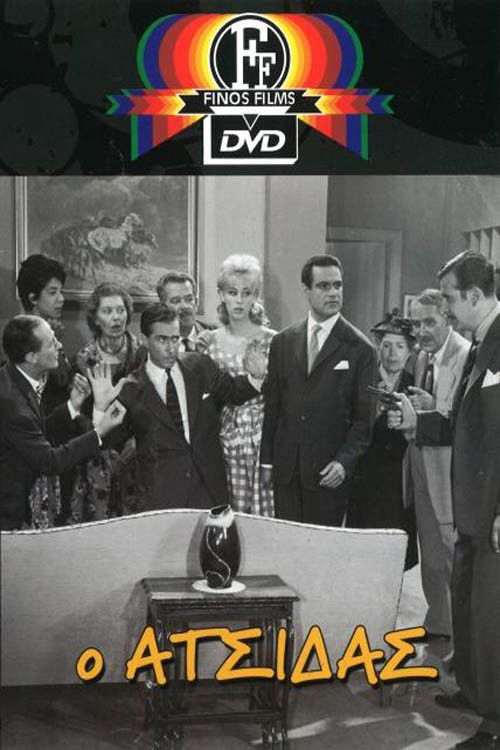
The Wise Guy is a period-specific social comedy that emphasizes traditional family structures. The plot centers on navigating marriage pressures and courtship rituals typical of mid-century Mediterranean cinema. Female characters wield influence through their demands and ultimatums, but this power is used to reinforce existing social hierarchies rather than challenge them. The film serves as a reflection of its era's cultural norms. Ultimately, the work underscores domestic stability and social conformity. It does not feature diverse casting or challenge straight-centered or patriarchal frameworks, staying true to the demographic and social realities of 1962 Greece.
Category Breakdown
The film focuses on traditional romantic relationships and family duties. It does not include any characters with non-conforming gender identities or challenge the assumption that everyone is straight.
Women in the film play key roles through social coercion and romantic demands. However, they operate within traditional gender roles without challenging patriarchal structures.
The movie reflects the ethnic consistency of the Greek film industry in 1962. The cast and settings are centered on a homogeneous Greek population.
The story upholds traditional Mediterranean social institutions, emphasizing the importance of family and marriage. It highlights hierarchical family structures and customary courtship practices without offering social critique.
There are no visible or invisible disabilities depicted in the film.
Present on Screen
Limited or Absent
Official Synopsis
Alekos (Dinos Iliopoulos) is in love with Voula (Maria Voulgari) whose brother threatens to kill him if he doesn't marry her soon. Alekos' father (Pantelis Zervos) on the other hand insists that Alekos' sister (Zoe Laskari) has to get married before him. His sister Annoula (Zoe Laskari) is in love with Antonis (Stephanos Stratigos) and pressures him to ask for her hand in marriage from her family. Antonis meets Alekos by accident at a cafe in Panorama - they don't know each other - and advises him to use the infalible method of "escaping through an engagement" to calm down Voula's brother. This is after all what he intends to do himself... And God help them...
1968

1978

1973
1961

1963
1973
1968
1969
No reviews yet. Be the first to share your thoughts on this movie!
Use the rating form above to leave a star rating and optional review.