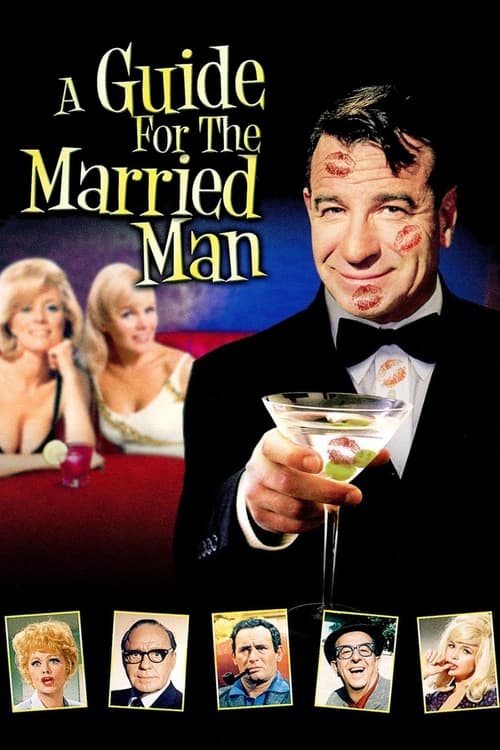
A Guide for the Married Man
1967
No user ratings available yet
Representation score: 1.2 out of 10
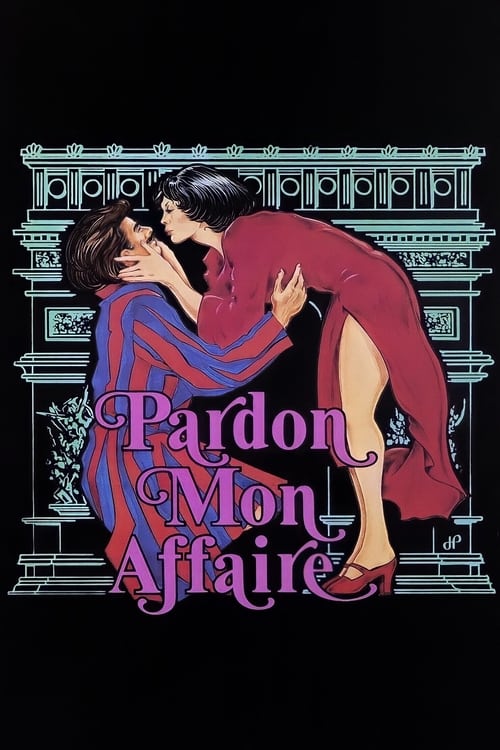
Representation Score
Limited
1976
PGDirector
Yves Robert
Runtime
105 minutes
Average Rating
No ratings yetNew Showbiz Analysis
Pardon Mon Affaire is a period-specific comedy of manners that prioritizes the deconstruction of social mores over demographic diversity. It functions as a lighthearted examination of human fallibility and the friction between social structures and individual impulses. While the film scores low in racial and LGBTQ+ inclusion, it challenges the sanctity of traditional Western institutions, particularly the nuclear family, through a skeptical, secular lens. The narrative's strength lies in disrupting the 'stable family' cliché, though this is achieved through situational comedy rather than a systemic critique of patriarchy or social hierarchy.
Category Breakdown
The film focuses exclusively on heterosexual relationships and romantic pursuits between men and women, operating within a framework that assumes everyone is straight.
Men are portrayed as impulsive and prone to social dysfunction, while women often serve as objects of desire or catalysts for comedic situations.
The film is set in a rural French village with a highly homogeneous cast, lacking diverse ethnic identities or multi-layered breadth.
The film uses moral relativism to treat infidelity as an inevitable human condition, deconstructing rigid Christian morality by framing marital breakdown through a comedic lens.
There are no prominent depictions of physical or neurodivergent disabilities that drive the narrative or serve as significant character traits.
Present on Screen
Limited or Absent
Official Synopsis
On an otherwise normal day, Étienne, a happily married man and a good father, sees something that stops him dead in his tracks: a gorgeous woman in a billowing red dress. Long after she has left his vision, her memory continues to haunt his mind. He falls instantly in love with her and tries everything to get to know her better. Helping Étienne snare his elusive lady in red are his three bumbling buddies, which all have secret affairs and/or cheat on their wives.
1967
1981
1974

1952
1969

1963
1959
1979
No reviews yet. Be the first to share your thoughts on this movie!
Use the rating form above to leave a star rating and optional review.