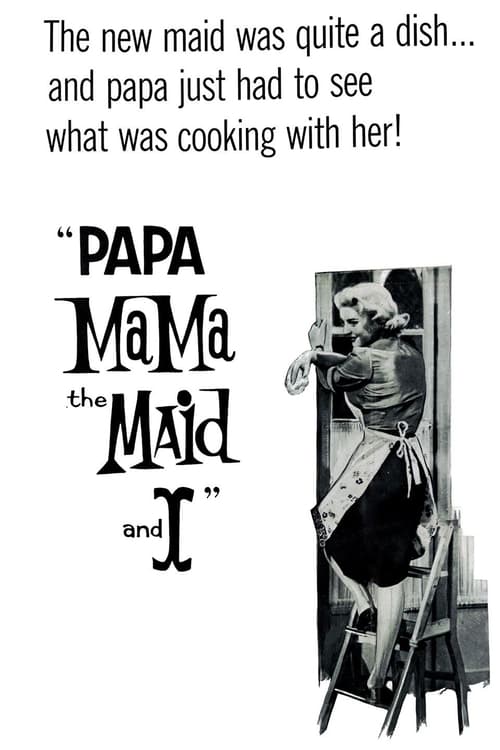
Papa, Mama, the Maid and I
1954
No user ratings available yet
Representation score: 2.1 out of 10

Representation Score
Limited
1969
Not RatedDirector
Pierre Étaix
Runtime
87 minutes
Average Rating
No ratings yetNew Showbiz Analysis
Pierre Étaix’s work is visually and philosophically subversive, using surrealism to challenge the idea of a rational social order. However, the film remains traditional in its demographic representation, focusing on mid-century French norms without engaging deeply with issues of race, gender, or sexuality. The film’s progressive elements lie in its postmodern approach to reality rather than in its engagement with identity politics or broader social critiques.
Category Breakdown
The film centers on a heterosexual relationship and does not include any LGBTQ+ narratives or non-cisgender identities.
The male lead is shown as emotionally unstable and psychologically vulnerable, while the female character drives the plot by causing his existential crisis.
The film is set in a mid-century French urban environment with a largely homogeneous cast, lacking significant racial diversity.
Surrealism is used to question the stability of middle-class life, but the film does not explicitly critique social or Western institutions.
The film treats the protagonist's psychological distress as a surreal motif rather than a realistic portrayal of mental health issues.
Present on Screen
Limited or Absent
Official Synopsis
Pierre married Florence, the only daughter of a small industrialist. 15 years later, he is the boss, but his middle-class life worries him a lot. When a new young and lovely secretary comes, he starts dreaming.
1954
1976
1962

1952

1972
1979

1963

1977
No reviews yet. Be the first to share your thoughts on this movie!
Use the rating form above to leave a star rating and optional review.