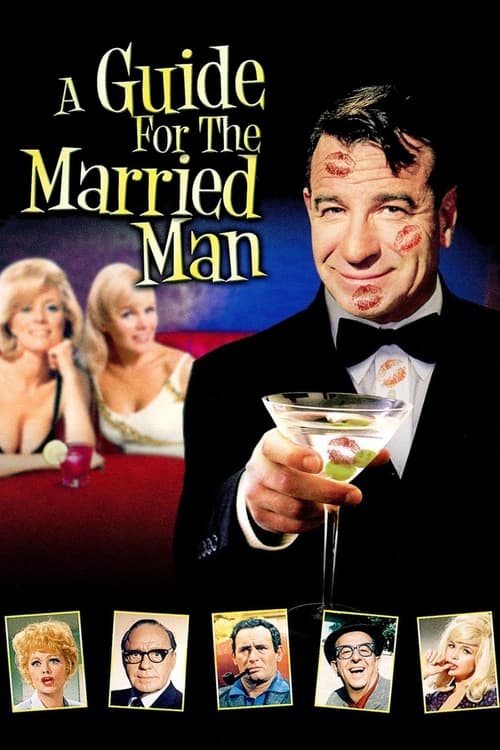
A Guide for the Married Man
1967
No user ratings available yet
Diversity score: 2.4 out of 10
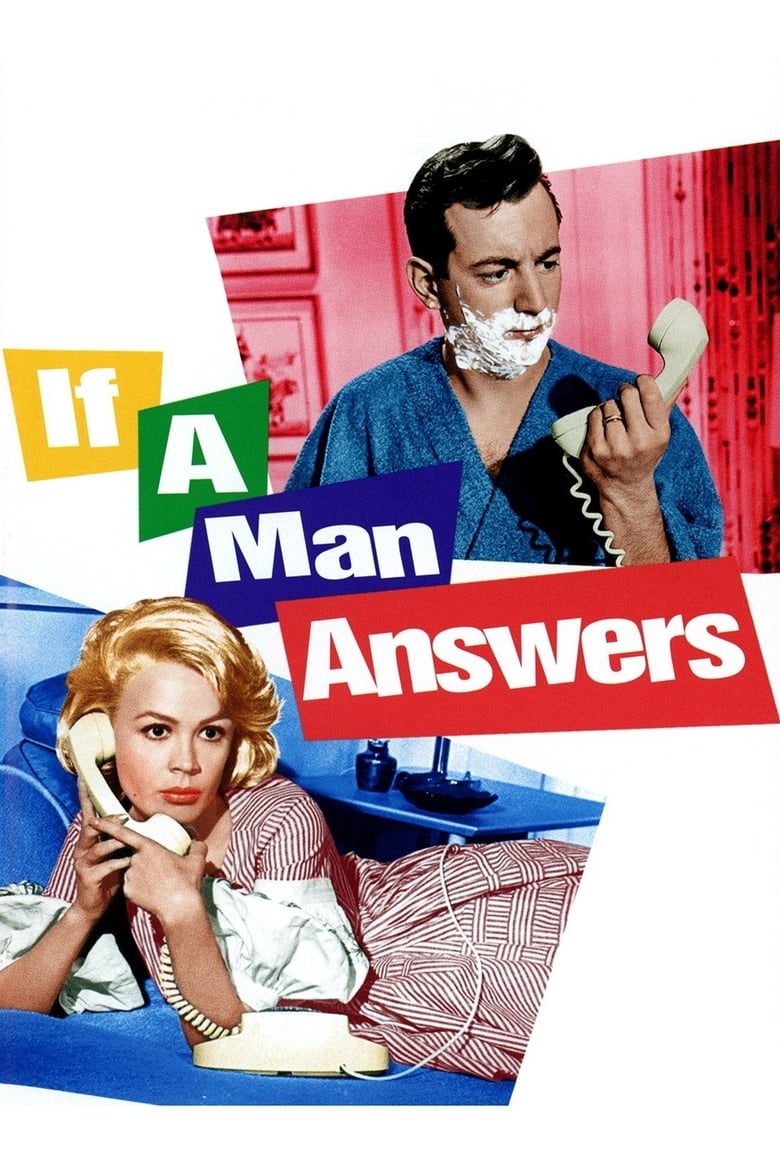
1962
NRDirector
Henry Levin
Runtime
102 minutes
Average Rating
No ratings yetSynopsis
Rich socialite Chantal marries photographer Eugene and everything seems blissful until her envious friend attempts to break them up. In desperation, she turns to her mother, but the advice she receives may do more harm than good.
Overall Score
Limited
Category Breakdown
LGBTQ+ Representation
The film contains no discernible LGBTQ+ characters or non-heteronormative identities. The narrative remains strictly within traditional romantic pairings.
Gender Representation
While Chantal is the central protagonist, her agency is tied to marital stability and maternal advice. The film reinforces mid-century gender hierarchies and traditional feminine roles.
Racial & Ethnic Diversity
The cast is predominantly white and homogeneous, reflecting the social constraints of 1962. There is no evidence of characters of color with significant agency.
Religious & Cultural Diversity
The story operates within traditional Western social structures and mid-century norms. It prioritizes stable family units and conventional social standing over systemic critique.
Disability Representation
There are no characters with visible or invisible disabilities. Disability is not utilized as a narrative device or plot point.
Strengths
Areas for Improvement
AI Analysis
If a Man Answers is a period-typical romantic comedy that adheres closely to the mainstream social hierarchies of the early 1960s. The narrative architecture focuses on domestic harmony and traditional interpersonal conflicts rather than challenging existing social structures. The film lacks meaningful representation of LGBTQ+ identities, racial diversity, or disability. It presents a localized, ethnically uniform social circle that reflects the era's cinematic standards. While the film centers on a female lead, her character arc is defined by her reliance on maternal counsel and her role within a marriage. This reinforces conventional gender roles rather than subverting them.
1967
1963

1963
1954
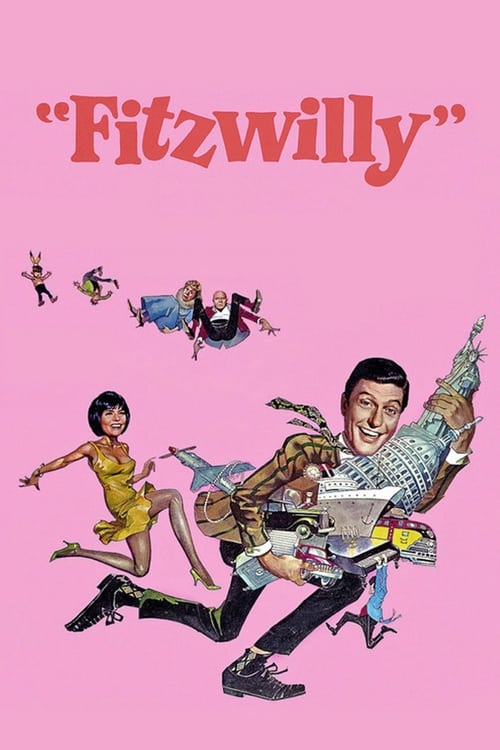
1967

1963
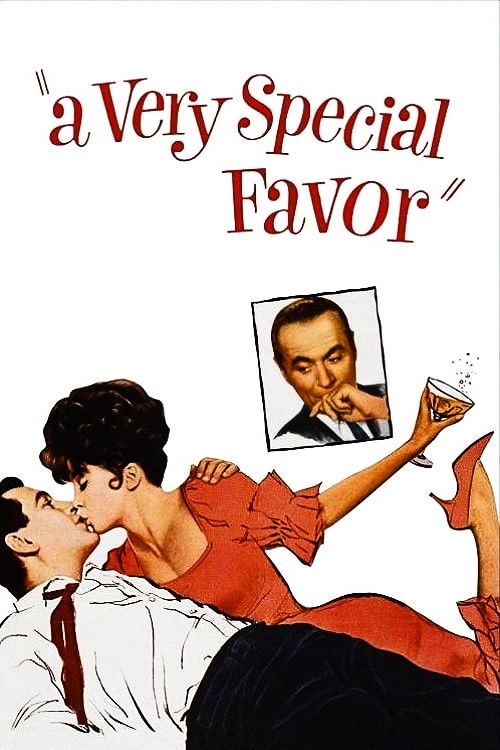
1965
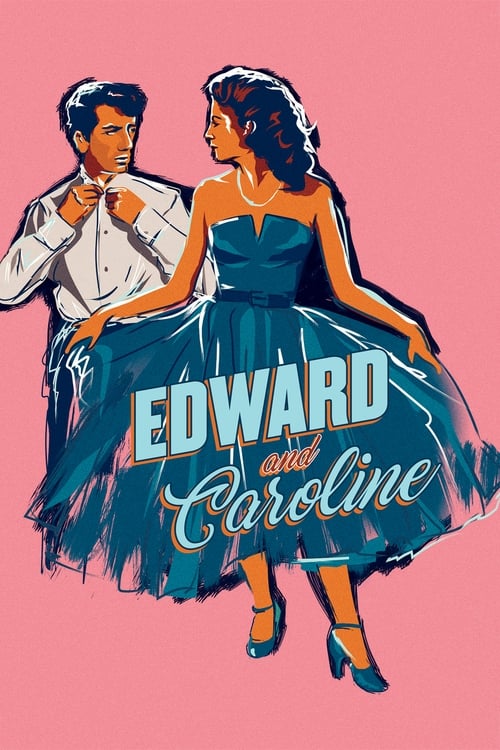
1951
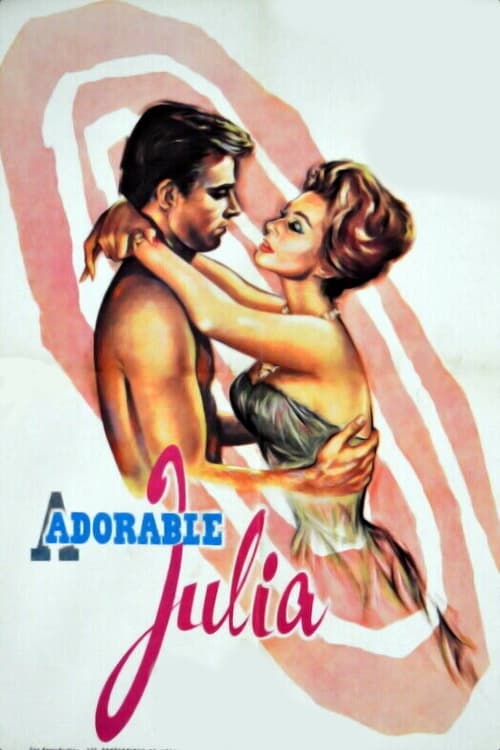
1962
1965

1957
1955
No reviews yet. Be the first to share your thoughts on this movie!
Use the rating form above to leave a star rating and optional review.