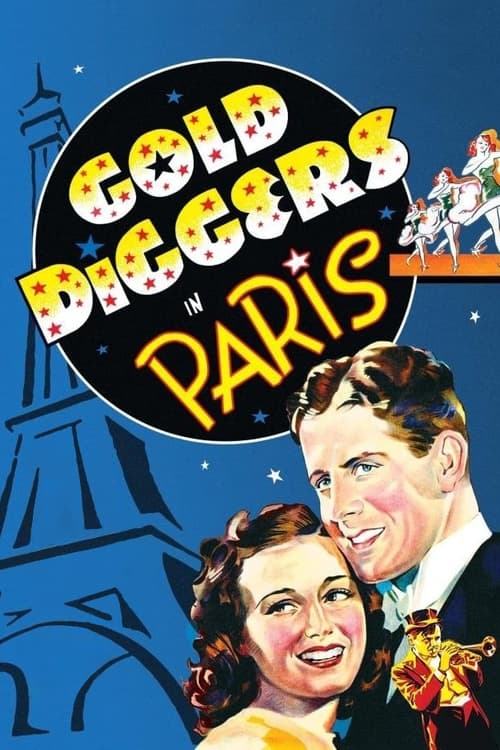
Gold Diggers in Paris
1938
No user ratings available yet
Representation score: 1.0 out of 10
Representation Score
Minimal
1952
ApprovedDirector
Mervyn LeRoy
Runtime
102 minutes
Average Rating
No ratings yetNew Showbiz Analysis
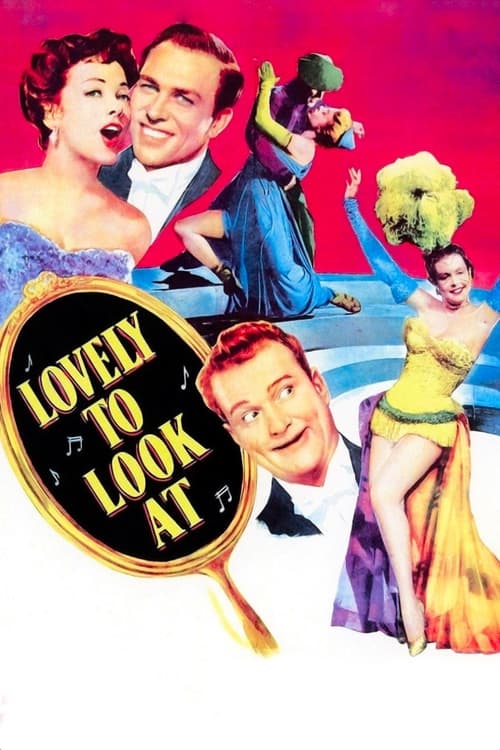
Lovely to Look At is a conventional mid-century musical comedy that prioritizes escapism and traditional formulas. The narrative follows a standard trajectory of professional revitalization through international travel and fashion. The film adheres to the social and narrative constraints of 1952, focusing on entrepreneurial pursuits and familial inheritance. It maintains the era's typical social hierarchies without attempting to challenge them. Ultimately, the work functions as a period-typical production that offers limited representation of underrepresented groups or subversive thematic elements.
Category Breakdown
The film focuses on traditional romantic and professional pursuits. There is no evidence of non-binary gender identities or critiques of the assumption that everyone is straight.
Male producers drive the central plot, while female characters manage a family inheritance. Women's ability to drive the story remains tied to domestic or familial roles.
The narrative centers on a homogeneous group of protagonists. There is no indication of a diverse cast or characters reflecting multiple aspects of identity.
The story emphasizes Western commercial interests like Broadway and Parisian fashion. It aligns with traditional values regarding entrepreneurship and inheritance.
No visible or invisible disabilities are mentioned or central to the character arcs.
Present on Screen
Limited or Absent
Official Synopsis
Broadway producers Tony Naylor, Al Marsh, and Jerry Ralby are having difficulty securing funds for their latest show. Then Al learns he has inherited half of a salon in Paris from his Aunt Roberta. The three men travel to France, where they attempt to stage an extravagant fashion show to revitalize the struggling business, now run by Roberta's nieces, Stephanie and Clarisse.
1938

1933
1935

1953
1950
1935

1934
1951
No reviews yet. Be the first to share your thoughts on this movie!
Use the rating form above to leave a star rating and optional review.