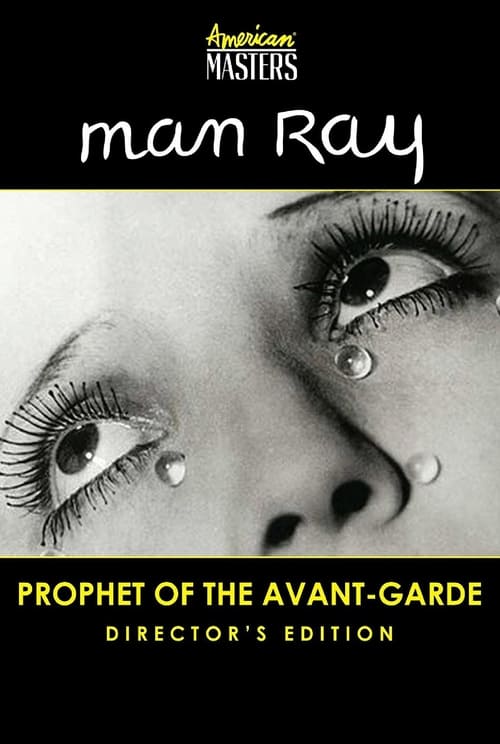
Man Ray: Prophet of the Avant-Garde
1997
No user ratings available yet
Representation score: 5.0 out of 10
Representation Score
Fair
1978
UDirector
Mick Gold
Runtime
88 minutes
Average Rating
No ratings yetNew Showbiz Analysis
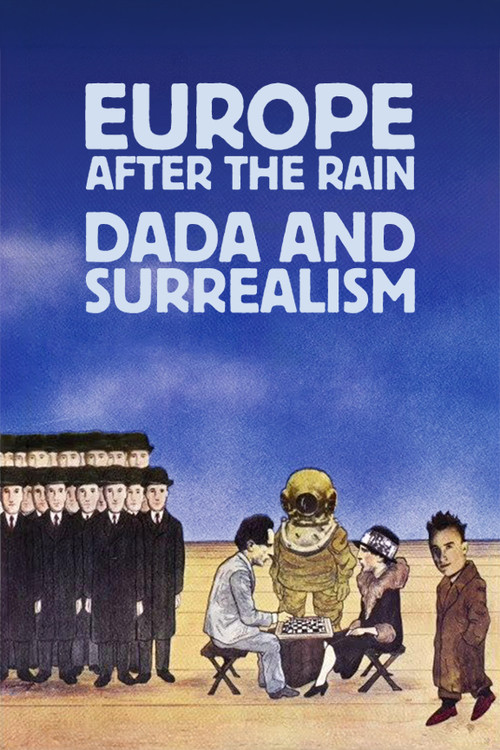
The film opens with the wreckage of World War I, establishing a world where old values have been washed away. It positions Dada and Surrealism not merely as art movements, but as moral corrections to a broken society. The camera lingers on the works—collages, ready-mades, photomontages—treating them as the true protagonists, while the artists serve as icons of a new, authentic masculinity. The sold meaning is clear: traditional hierarchy is hollow, and the absurd is the only honest response to a world that has lost its mind. The documentary’s argument is that art is a weapon against conformity. It frames the rejection of logic and bourgeois decorum as a virtue, celebrating the artists’ defiance of established norms. However, this celebration is selective. The film minimizes the social costs of rebellion, presenting the artists as triumphant visionaries rather than ostracized outcasts. The hierarchy is inverted: the "lunatic" is the hero, and the "establishment" is the fool. The ending settles on the legacy of the movement, suggesting that their ideas infected every art form. The last image is not a personal resolution but a historical verdict: the old order is dead, and the new order is one of creative freedom. The film’s internal logic is consistent in its praise of anti-traditionalism, though it remains firmly within the canon of white, male European genius. The liberal performance is polished, but the vitalist authenticity lies in the genuine rejection of the past.
Category Breakdown
Queer life is absent. The film tracks artistic output and historical context, ignoring personal identity. No same-sex intimacy or queer dynamics appear in the visual record.
Male artists like Duchamp and Breton dominate the frame. Women appear only as archival subjects or minor figures. They lack individual agency or voice in the documentary’s structure.
The cast and subjects are exclusively white European. No non-white artists, perspectives, or colonial contexts are represented. The visual and verbal record remains strictly Eurocentric.
Bourgeois tradition and religious authority are treated as hollow targets for satire. The film frames artistic rebellion and secular individualism as the superior moral response to post-war chaos.
No disabled characters or impairments are featured. Mental instability is referenced only as a romanticized artistic trait. It is not presented as a lived experience.
Present on Screen
Limited or Absent
Official Synopsis
Dada came out of the madness of World War One. "The birth of Dada was not the beginning of art but of disgust." Surrealism tried to systematize Dada's anarchy into an artistic blend of Freudian psychoanalysis and Marxist provocation. In the interests of conquering the irrational, Salvador Dali opened exhibitions dressed in a diving suit, Marcel Duchamp turned himself into woman, Benjamin Peret assaulted priests, and Yves Tanguy ate spiders. Andre Breton, nicknamed "the Pope of Surrealism", led an inspired gang of artists, lunatics and writers. By the 1950s they were denouncing each other for betraying the movement, but their ideas had infected every art form.
1997
1973
1992
1995
2021
2017

2010
1970
No reviews yet. Be the first to share your thoughts on this movie!
Use the rating form above to leave a star rating and optional review.