Made You Look: A True Story About Fake Art
2020
No user ratings available yet
Representation score: 4.9 out of 10
Representation Score
Minimal
1973
PGDirector
Orson Welles, François Reichenbach
Runtime
89 minutes
Average Rating
No ratings yetNew Showbiz Analysis
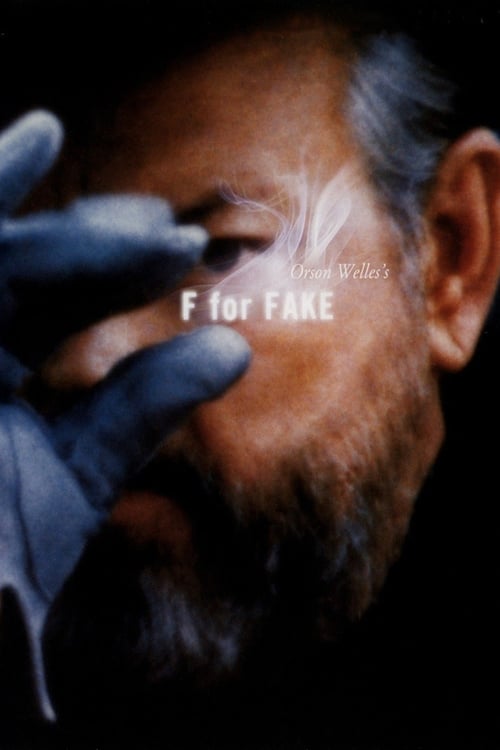
Orson Welles’s masterpiece is an intellectual triumph that prioritizes postmodern philosophy over demographic breadth. It succeeds as a deconstruction of truth and institutional authority, using the lives of forgers to challenge how society assigns value to art. However, the film is deeply limited by its narrow demographic focus. The narrative remains anchored in a white, male-dominated European framework, offering almost no visibility for women, people of color, or LGBTQ+ individuals. Ultimately, the film's diversity is found in its ideas rather than its people. It challenges social hierarchies through its complex themes of moral relativism, even while remaining socially traditional in its casting and subject matter.
Category Breakdown
The film does not include any LGBTQ+ characters or narratives. It focuses solely on the mechanics of forgery and deception within a male-centric historical context.
The narrative centers around the masculine 'gentleman con man' archetype. Women appear only as secondary figures or through archival footage, remaining on the periphery of the story.
The subjects and experts reflect a homogeneous European demographic. There is a lack of engagement with non-white identities, focusing instead on the Western art establishment.
The film provides a sophisticated critique of the capitalist art market and the social construction of value. It challenges the sanctity of authorship and objective truth.
There are no discernible portrayals of physical or neurodivergent disabilities that serve as central narrative drivers or character traits.
Present on Screen
Limited or Absent
Official Synopsis
Documents the lives of infamous fakers Elmyr de Hory and Clifford Irving. De Hory, who later committed suicide to avoid more prison time, made his name by selling forged works of art by painters like Picasso and Matisse. Irving was infamous for writing a fake autobiography of Howard Hughes. Welles moves between documentary and fiction as he examines the fundamental elements of fraud and the people who commit fraud at the expense of others.
2020
2009
2014
2021
2003
2003
2014
2003
No reviews yet. Be the first to share your thoughts on this movie!
Use the rating form above to leave a star rating and optional review.