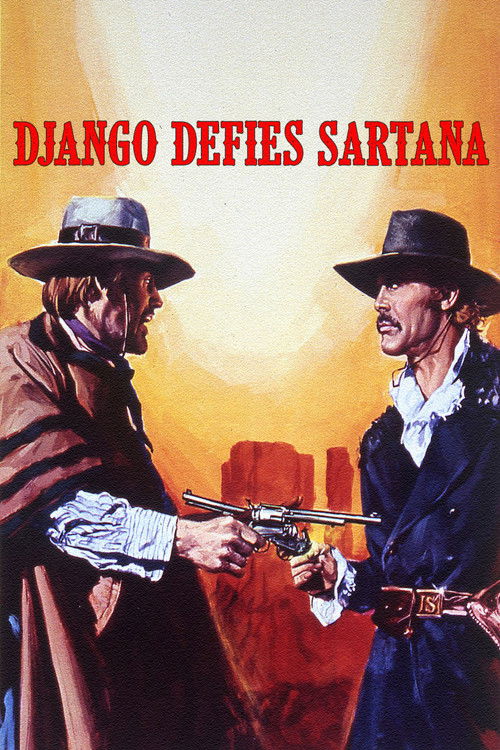
Django Defies Sartana
1970
No user ratings available yet
Diversity score: 2.4 out of 10
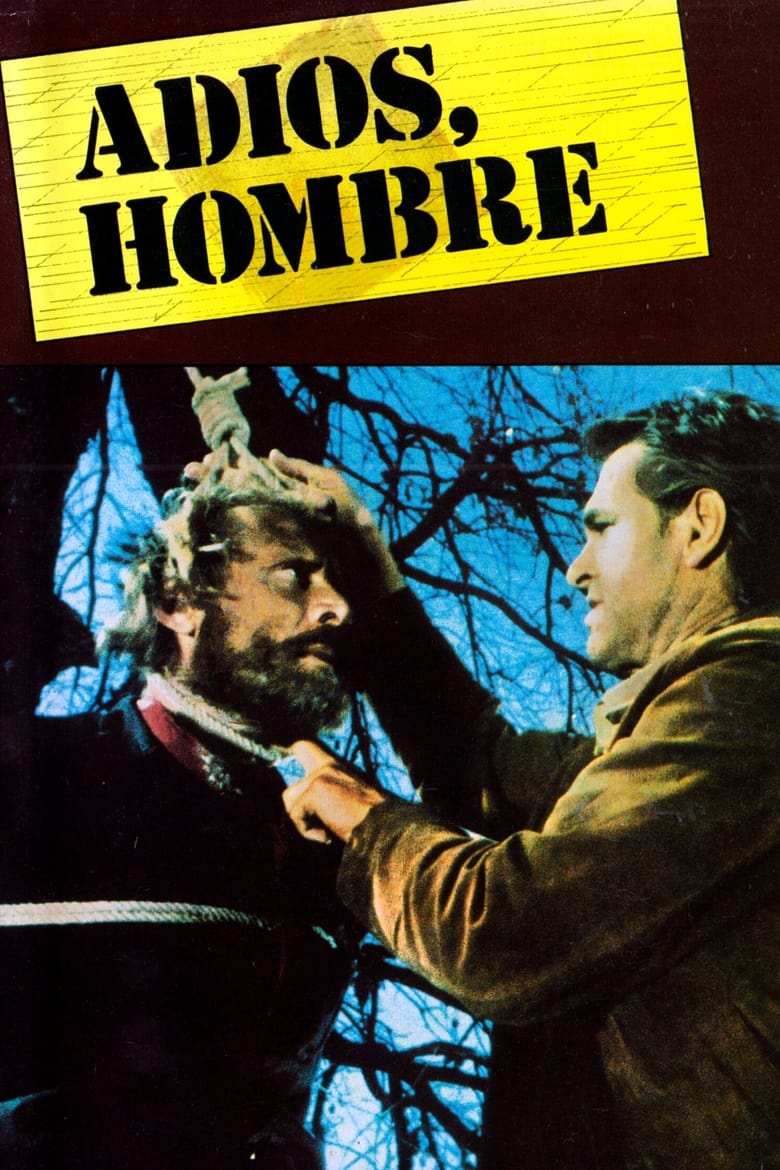
1967
Director
Mario Caiano
Runtime
85 minutes
Average Rating
No ratings yetSynopsis
A man is arrested, tried and convicted for a robbery that was actually committed by someone else. After he gets out of prison, he goes in search of the real robbers.
Overall Score
Limited
Category Breakdown
LGBTQ+ Representation
The film follows a strictly heteronormative structure. It focuses on male-centric conflict and lacks any representation of non-cisnormative identities or same-sex intimacy.
Gender Representation
The narrative is driven almost exclusively by male protagonists. Female characters occupy secondary, passive roles that reinforce traditional gender hierarchies and archetypal masculine struggles.
Racial & Ethnic Diversity
Casting reflects the homogeneous racial structures typical of mid-century Westerns. The film lacks color-blind casting or non-white characters used to disrupt traditional power dynamics.
Religious & Cultural Diversity
The story operates within a framework of moral relativism common to the genre. It focuses on survival and vigilantism rather than systemic critiques of institutions.
Disability Representation
There is no discernible focus on visible or invisible disabilities. Characters are defined solely by their capacity for violence and survival.
Strengths
Areas for Improvement
AI Analysis
Adios, Hombre is a quintessential Spaghetti Western that prioritizes genre tropes over progressive narrative depth. The film functions as a study of individualistic survival, adhering strictly to the social and demographic constraints of 1967. The narrative lacks intersectional depth, centering instead on a male-dominated, heteronormative framework. It reinforces traditional hierarchies rather than challenging them through diverse characterization. Ultimately, the film serves as a period-accurate genre piece that focuses on revenge and stylized violence rather than social subversion.
1970
1968

1949
1966
1931

1949

1968

1967

1942

1971
1964
1970
No reviews yet. Be the first to share your thoughts on this movie!
Use the rating form above to leave a star rating and optional review.