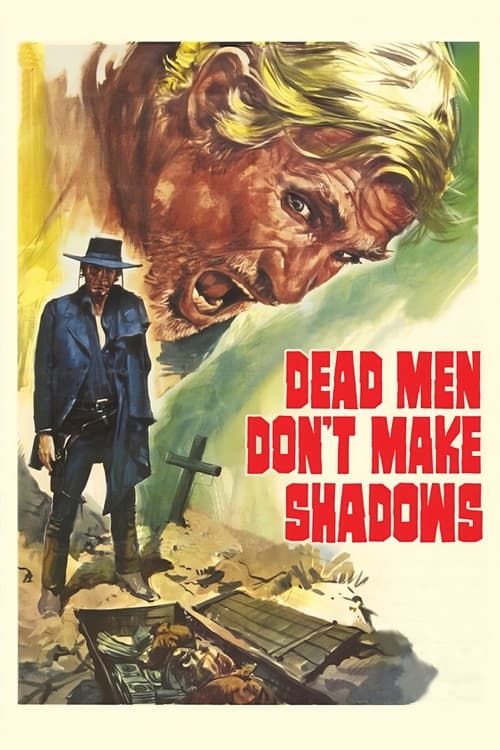
Dead Men Don't Make Shadows
1970
No user ratings available yet
Diversity score: 2.7 out of 10
1970
Director
Demofilo Fidani
Runtime
97 minutes
Average Rating
No ratings yetSynopsis
The small desert town of Black City is held in a reign of terror by a nasty gang of criminals lead by the ruthless Bud Willer. Earnest, but inexperienced Sheriff Jack Ronson arrives in town to establish law and order. Mysterious bounty hunter Django helps Ronson out.
Overall Score
Limited
Category Breakdown
LGBTQ+ Representation
The film contains no visible LGBTQ+ characters or depictions of non-heteronormative identities. The narrative relies on traditional masculine archetypes and standard genre dynamics.
Gender Representation
Female characters are relegated to secondary, passive roles, such as saloon occupants or victims. The story focuses almost exclusively on the combat and survival of male protagonists.
Racial & Ethnic Diversity
Casting is largely homogeneous, reflecting the standard Western trope of a predominantly white cast. Characters of color are not elevated to positions of high agency.
Religious & Cultural Diversity
The film operates within the moral relativism of the Spaghetti Western genre. It presents a lawless vacuum where traditional authority is absent by default.
Disability Representation
There is no meaningful depiction of visible or invisible disabilities. Characters are defined solely by their capacity for violence and physical prowess.
Strengths
Areas for Improvement
AI Analysis
This Spaghetti Western crossover adheres strictly to the established social and narrative hierarchies of the 1970s. It prioritizes archetypal tropes of revenge and masculine dominance over any intentional intersectional representation. The film functions as a traditionalist text, offering minimal disruption to conventional social or gendered expectations. It relies on genre-standard casting and character roles that reinforce existing power structures. Ultimately, the work lacks any significant engagement with diverse identities, focusing instead on the stylistic violence and survivalism typical of the era's genre conventions.
1970
1969
1971
1970

1968
1970
1968
1970
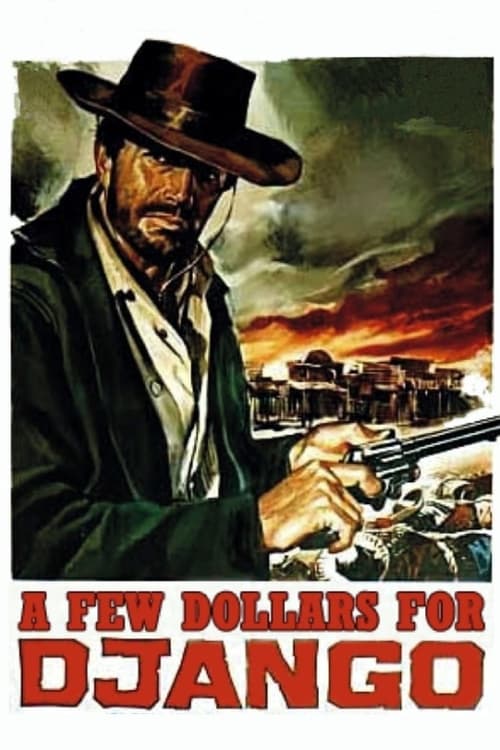
1966
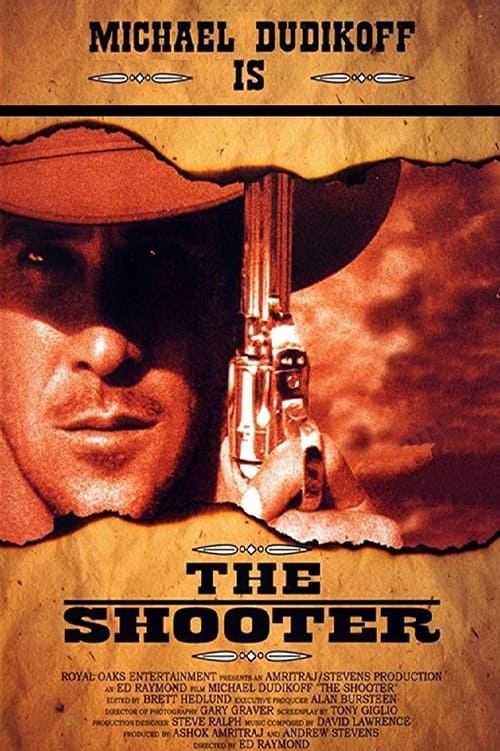
1997
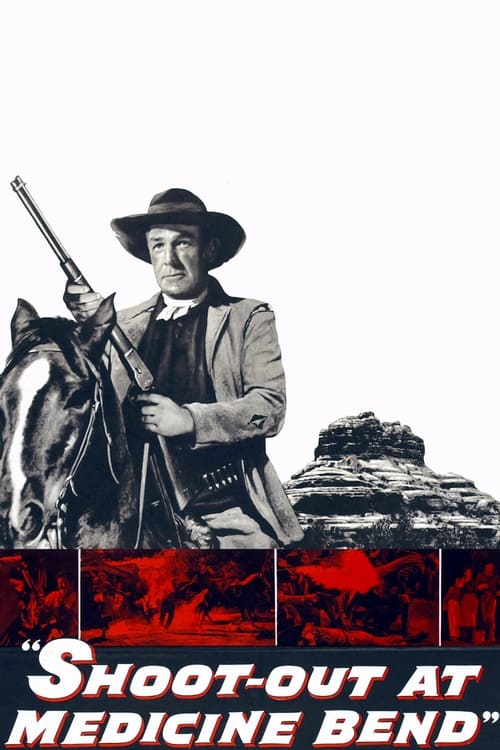
1957
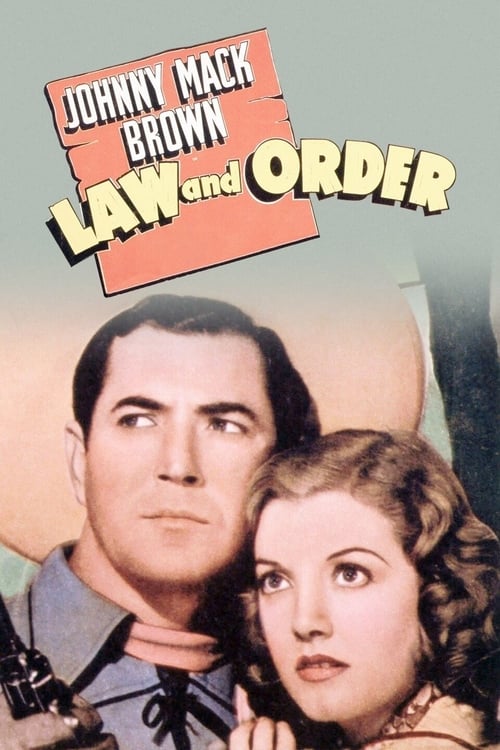
1940
No reviews yet. Be the first to share your thoughts on this movie!
Use the rating form above to leave a star rating and optional review.