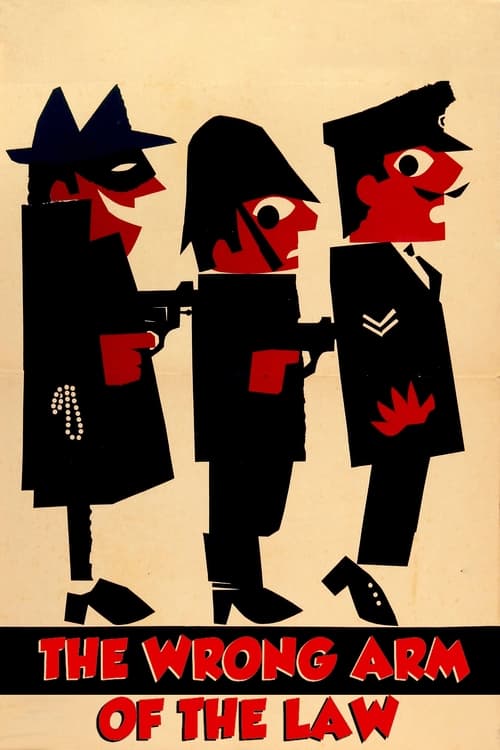
The Wrong Arm of the Law
1963
No user ratings available yet
Diversity score: 1.4 out of 10
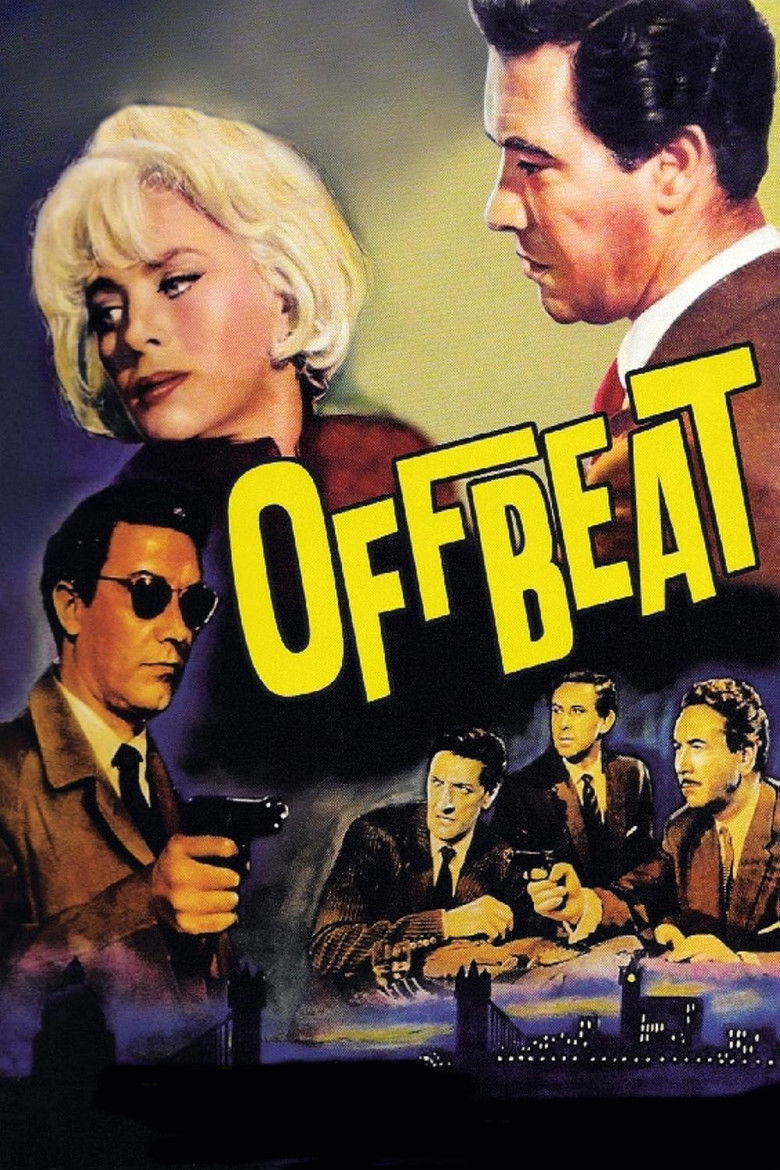
1961
Director
Cliff Owen
Runtime
71 minutes
Average Rating
No ratings yetSynopsis
When Scotland Yard finds themselves up against a brick wall in tracking down a vicious gang of thieves and bank robbers, they call in Layton, a loner from MI5 to work his way into the gang and help bring them down.
Overall Score
Limited
Category Breakdown
LGBTQ+ Representation
The film lacks visible LGBTQ+ characters or narratives. It functions within the standard heteronormative frameworks of the early 1960s.
Gender Representation
Female characters appear in medical and patient roles, but they do not disrupt traditional gender hierarchies. The film aligns with conventional depictions of gendered roles.
Racial & Ethnic Diversity
The cast reflects the demographic homogeneity of early 1960s British crime dramas. The setting focuses on a predominantly white, Anglo-Saxon institutional environment.
Religious & Cultural Diversity
The narrative centers on clinical authority and psychiatric institutions. It operates within established social and moral frameworks without offering critiques of Western institutions.
Disability Representation
The film engages with neurodivergence through its focus on a psychiatric hospital. However, it is unclear if characters possess true agency or serve as clinical subjects.
Strengths
Areas for Improvement
AI Analysis
Offbeat is a product of its time, functioning as a traditional mid-century crime drama. It adheres strictly to the social and racial hierarchies prevalent in the early 1960s British film industry. While it avoids progressive narrative architecture, it does offer a specific look at mental health through its institutional setting. The film's primary strength lies in its engagement with psychiatric themes. However, this is offset by a lack of diversity in race, gender, and sexual orientation. The characters largely exist to support established social structures rather than challenge them.
1963
1963

1962
1956
1952
1949
1963
1963
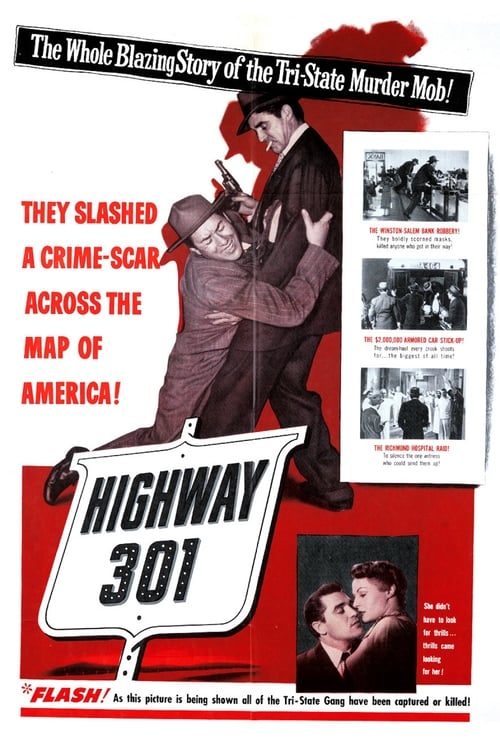
1950
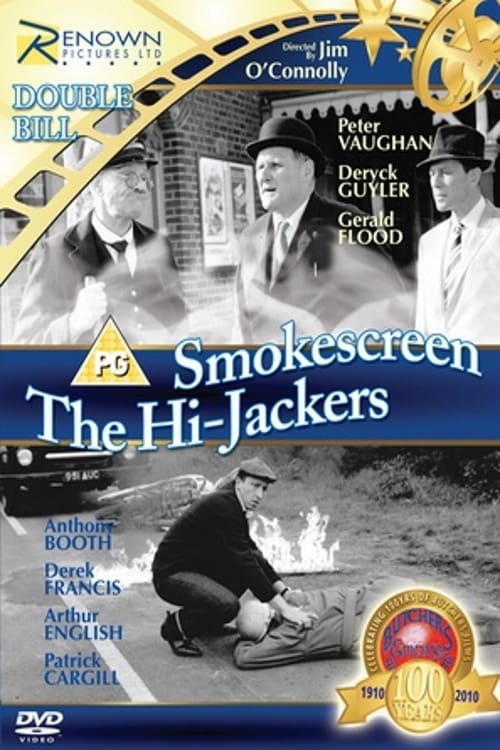
1963
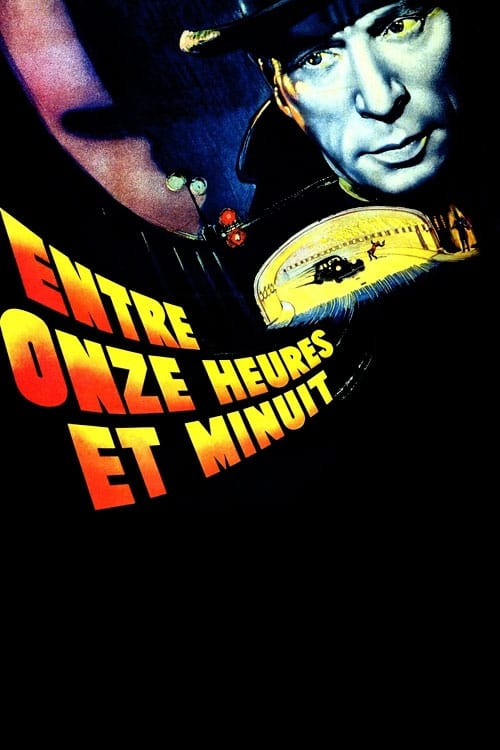
1949
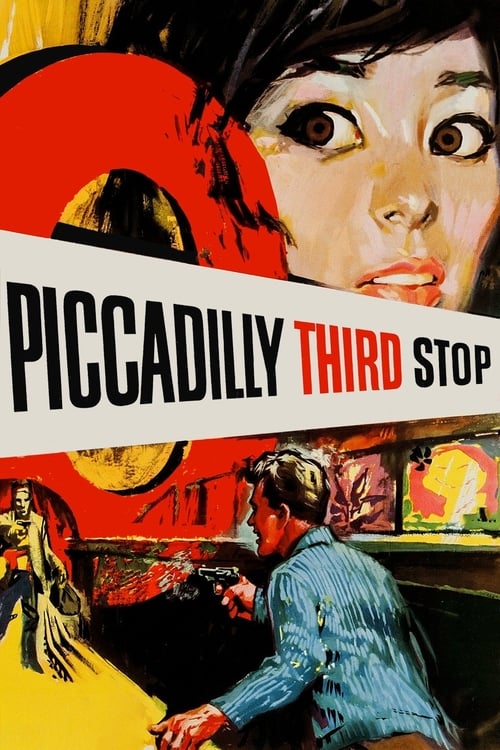
1960
No reviews yet. Be the first to share your thoughts on this movie!
Use the rating form above to leave a star rating and optional review.