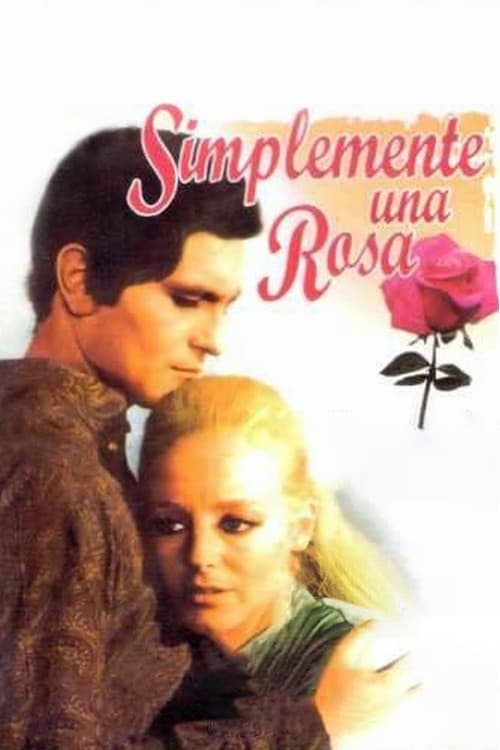
Simplemente una rosa
1971
No user ratings available yet
Representation score: 2.5 out of 10

Representation Score
Fair
1977
TV-14Director
Teguh Karya
Runtime
115 minutes
Average Rating
No ratings yetNew Showbiz Analysis
Teguh Karya’s 1977 melodrama stands out for its sophisticated, non-linear approach to psychological interiority. By centering the narrative on a woman's emotional journey following a broken engagement, the film moves beyond the era's typical gendered clichés. The work excels in its authentic Indonesian identity, utilizing a localized cast and setting to provide a cohesive cultural experience. This groundedness provides a strong sense of place and ethnic representation. However, the film remains limited by the social conventions of its time. It lacks representation for LGBTQ+ identities and disabilities, focusing instead on conventional romantic and straight-centered structures.
Category Breakdown
The film focuses almost exclusively on heterosexual relationships. There is no indication of diverse gender identities or same-sex intimacy in the plot.
The narrative challenges traditional gender roles by emphasizing the female experience and emotional depth. It prioritizes the protagonist's psychological complexity over simple archetypes.
The film features a predominantly Indonesian cast, reflecting an authentic cultural identity. The Jakarta setting avoids a Western-centric perspective common in global cinema.
The story operates within a framework of traditional romantic melodrama. It focuses on individual emotional struggles rather than broader systemic or political critiques.
There is no depiction of physical or neurodivergent disabilities. Characters are defined by their emotional states and socioeconomic status.
Present on Screen
Limited or Absent
Official Synopsis
Siska, a young woman was heartbroken after her fiancé broke off their engagement. Unwilling to see his sister depressed, her brother Johnny introduced her to his friend Leo, who is known as a womanizer.
1971

1961
1968
1954

1970
1984

1956
1961
No reviews yet. Be the first to share your thoughts on this movie!
Use the rating form above to leave a star rating and optional review.