
Aashiqui
1990
No user ratings available yet
Representation score: 2.4 out of 10
Representation Score
Limited
1954
Director
Chetan Anand
Runtime
133 minutes
Average Rating
No ratings yetNew Showbiz Analysis
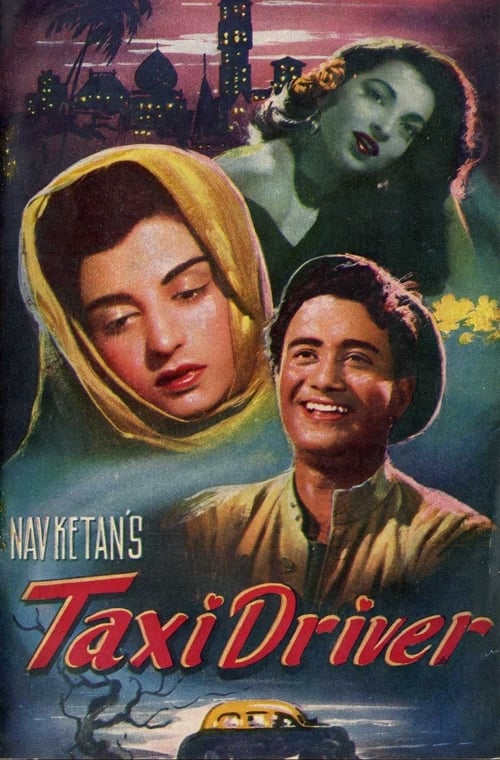
Taxi Driver (1954) is a mid-century romantic melodrama that reflects the social constraints of its era. It leans heavily on traditional gender clichés but grants female characters significant roles and emotional ability to act. The film's strength lies in its cultural authenticity. By centering the story in Mumbai and focusing on the urban working class, it provides a non-Western perspective that challenges the cinematic norms of the 1950s. However, the film lacks modern multi-layered markers. It adheres to conventional romantic structures and lacks representation for LGBTQ+ identities or characters with disabilities.
Category Breakdown
The film follows a traditional romantic structure focused on heterosexual relationships. There are no representations of queer identities or non-straight narratives.
The plot relies on the 'damsel in distress' cliché, but the women have significant roles in driving the story. They exhibit emotional ability to act and achieve personal success.
The film offers a localized, non-Western perspective of Mumbai. It focuses on the urban working class and provides an authentic Indian social framework.
The narrative explores the urban proletariat and the struggles of the working class. It avoids idealized moralism by showing the protagonist's cyclical poverty and nocturnal habits.
The film contains no visible representation of characters with physical or neurodivergent disabilities.
Present on Screen
Limited or Absent
Official Synopsis
About a taxi driver in Mumbai, Mangal, who is called "Hero" by his friends. A driver who drives a cab by day, then drinks at night, listens to his singer girlfriend, Sylive, and then goes into a drunken stupor - and wakes up with a hangover. One day, while assisting another taxi driver, Mangal comes to the assistance of a damsel in distress, who is being molested by two thugs. Mangal gallants rescues her, and attempts to take her to her destination, to no avail, as the person she is looking for has moved. The next day, Mangal and the young woman, Mala, again attempt to seek Ratanlal, a music director, but the entire day is spent in vain. Mala lives in Mangal's tiny apartment and both become attracted to each other. When Mala finds out about Sylvie, she leaves him. He goes in her search, but finds that she has become a famous singer with the help of her music director friend.
1990

1965
1959

1956
1970

1961

1953

1945
No reviews yet. Be the first to share your thoughts on this movie!
Use the rating form above to leave a star rating and optional review.