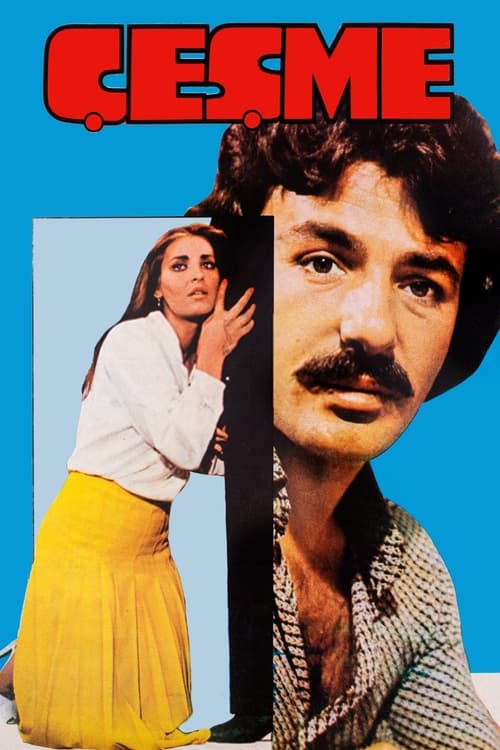
Çeşme
1977
No user ratings available yet
Representation score: 1.8 out of 10
Representation Score
Limited
1970
Director
Muzaffer Arslan
Runtime
95 minutes
Average Rating
No ratings yetNew Showbiz Analysis
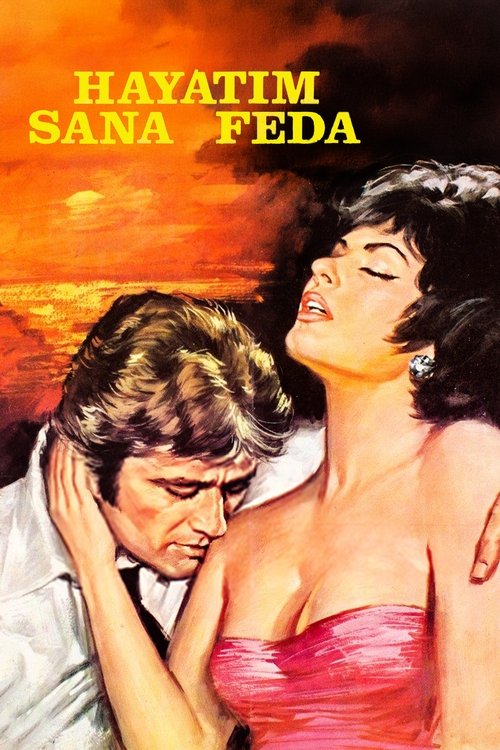
Hayatım Sana Feda is a classic Turkish melodrama that relies on well-established clichés of tragedy and romantic consequences. The story centers on a life-changing accident involving a businessman and a young woman, using physical impairment as a catalyst for emotional drama. The film features prominent actors from the Yeşilçam era but maintains a traditional social hierarchy. The narrative prioritizes heightened emotionality over complex character development or challenging conventional social norms. Ultimately, the film serves as a period piece that reflects the cultural specifics of 1970s Turkish cinema without venturing into progressive representation.
Category Breakdown
The film does not include any characters with non-straight sexual orientations or non-cisgender identities. The main romance revolves around a tragic and emotional storyline.
The female lead is emotionally central but has limited control over the events. The story is driven by the male protagonist's actions and the accident that occurs.
The cast is predominantly Turkish, reflecting a homogeneous cultural identity. The story does not explore multi-layered racial diversity.
The film follows traditional melodramatic conventions, emphasizing romantic fatalism and personal tragedy within established social norms.
Blindness is a key theme, but it mainly serves to evoke emotional responses and dramatic tension.
Present on Screen
Limited or Absent
Official Synopsis
A young businessman Harun crashes a young woman and because of this accident young woman becomes blind.
1977
1977
1978

1965

1970
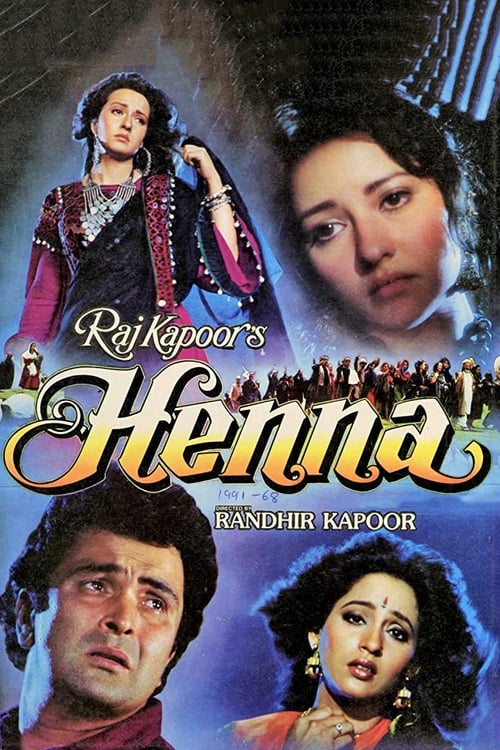
1991
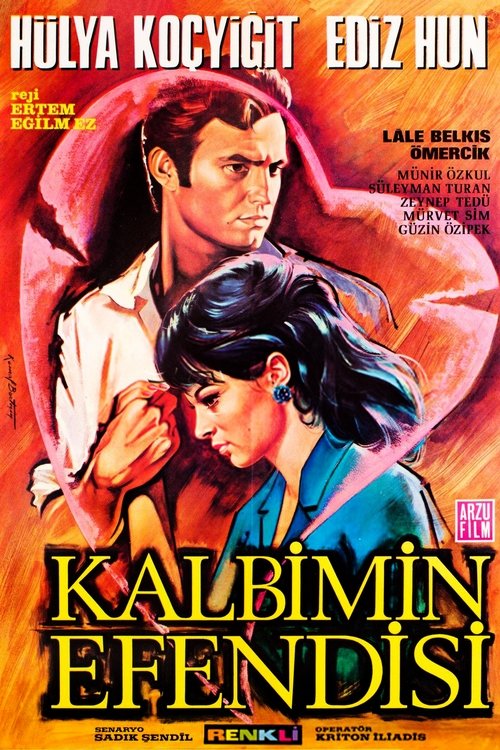
1970
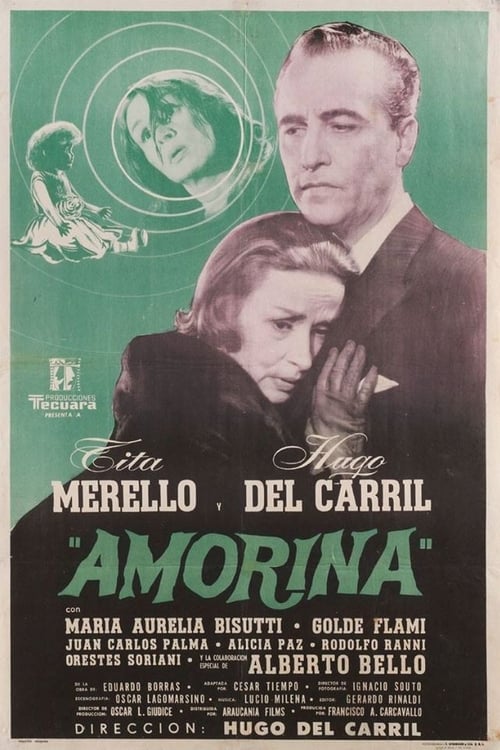
1961
No reviews yet. Be the first to share your thoughts on this movie!
Use the rating form above to leave a star rating and optional review.