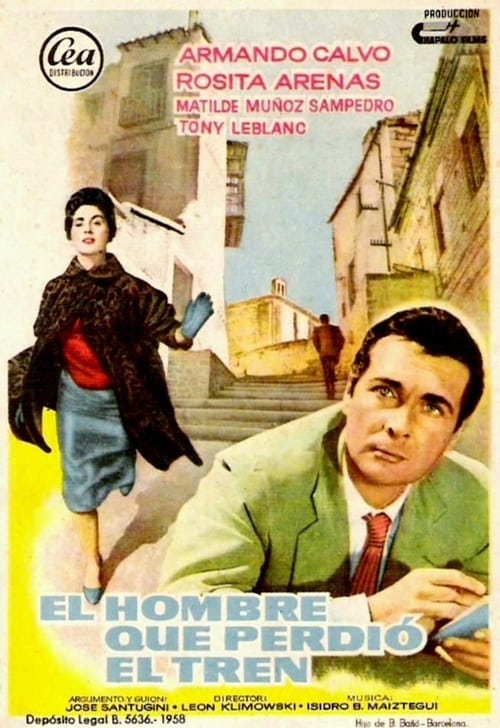
El hombre que perdió el tren
1960
No user ratings available yet
Representation score: 2.5 out of 10
Representation Score
Limited
1955
Director
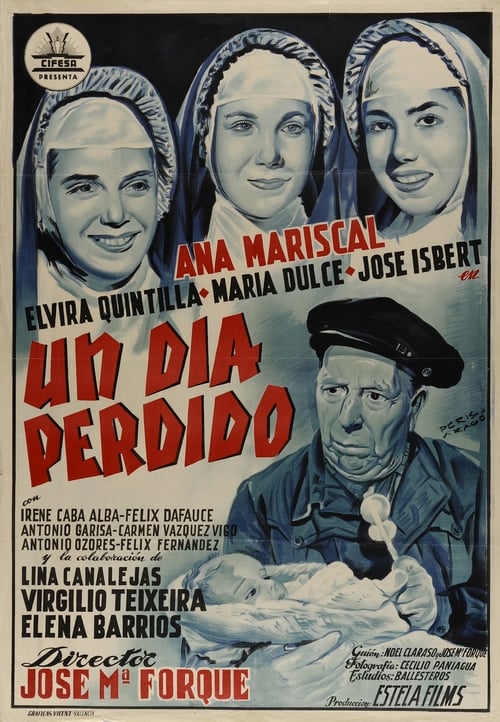
José María Forqué
Runtime
85 minutes
Average Rating
No ratings yetNew Showbiz Analysis
Un día perdido is a product of its time, functioning as a traditional mid-century production. It aligns with the socio-cultural constraints of 1955 Spain, prioritizing established social hierarchies and homogeneous casting over progressive storytelling. The film lacks characters who reflect more than one aspect of diversity and fails to disrupt conventional clichés or introduce diverse perspectives. Instead, it mirrors the demographic and institutional norms of the era. Ultimately, the work serves as a reflection of mid-century Mediterranean cinematic standards rather than a vehicle for social subversion.
Category Breakdown
The film does not include any queer narratives or non-cisgender identities. The social norms of 1955 Spain prevented the depiction of same-sex intimacy.
The narrative likely adheres to traditional feminine archetypes. There is no indication of women subverting domestic roles or driving the plot through superior intellect.
The production reflects the ethnic homogeneity of the mid-century Spanish film industry. It centers on a homogeneous Mediterranean cast without any non-white representation.
The film reinforces traditional social stability rather than critiquing Catholic or Western institutions. It lacks secularist or anti-institutional themes.
Characters with disabilities do not appear to have much control over their own lives. Disability is likely treated as a peripheral plot device rather than a central identity.
Present on Screen
Limited or Absent
1960

1965
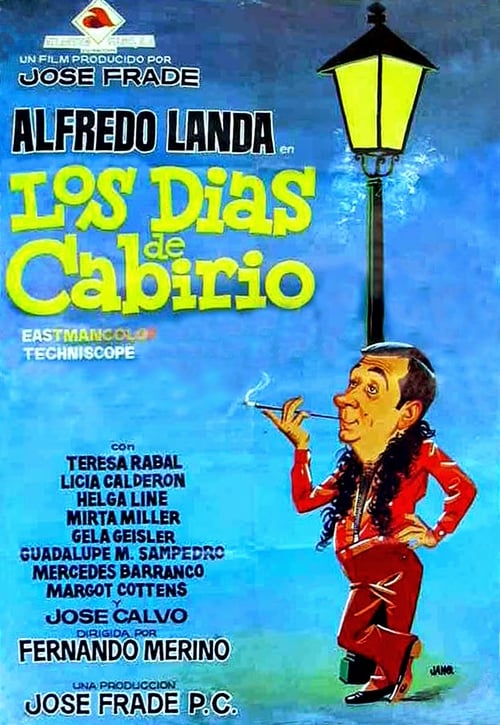
1971

1971
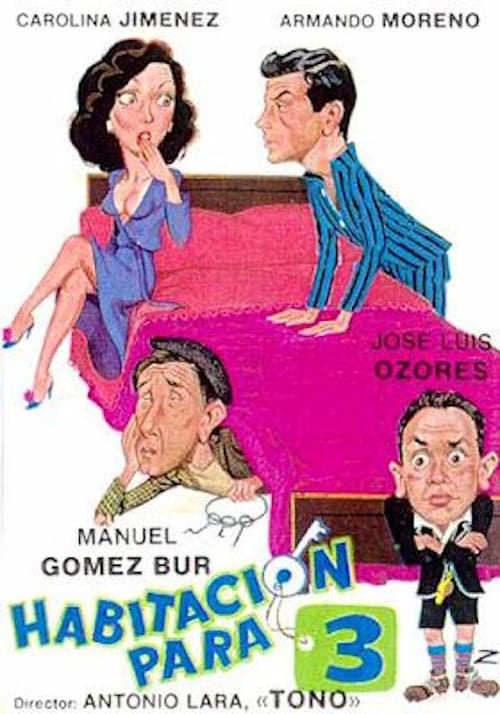
1952
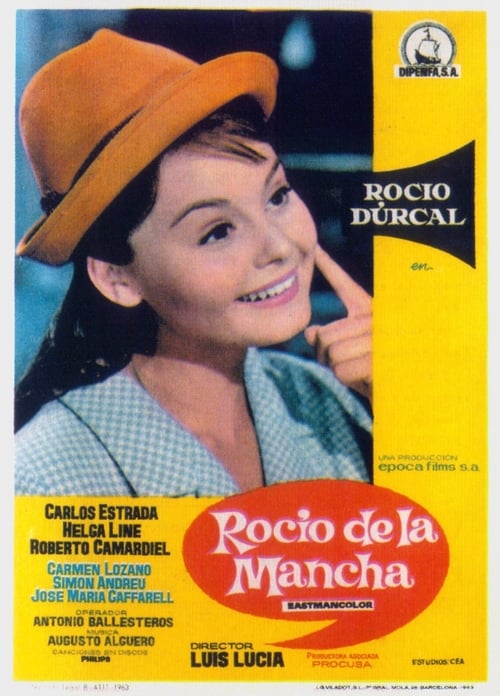
1963
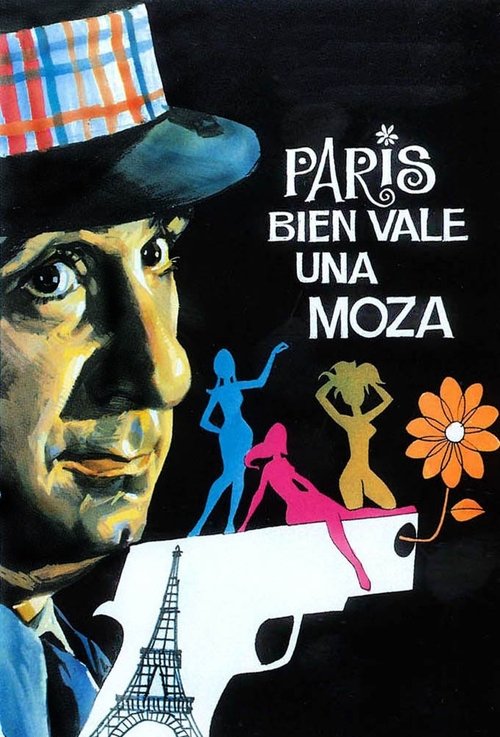
1972
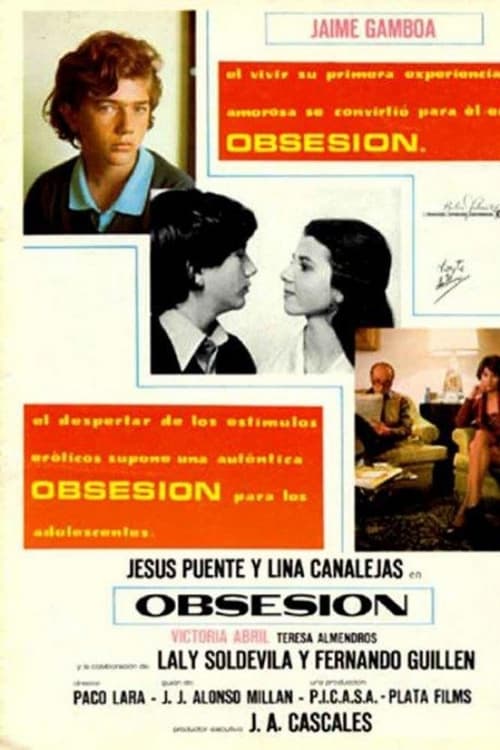
1975
No reviews yet. Be the first to share your thoughts on this movie!
Use the rating form above to leave a star rating and optional review.