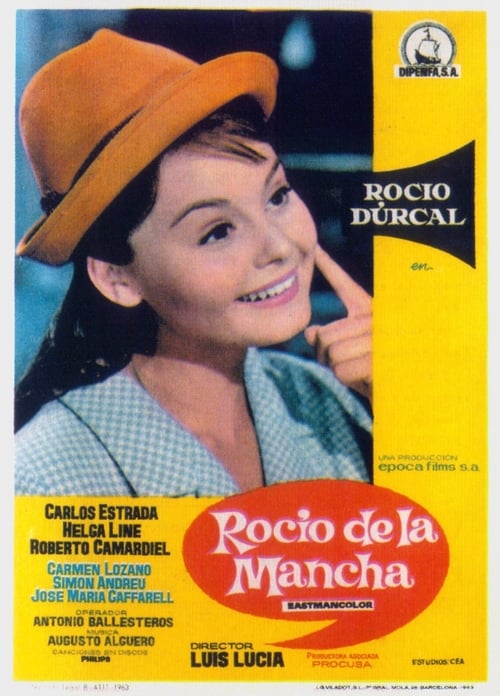
Rocío de la Mancha
1963
No user ratings available yet
Representation score: 1.8 out of 10
Representation Score
Minimal
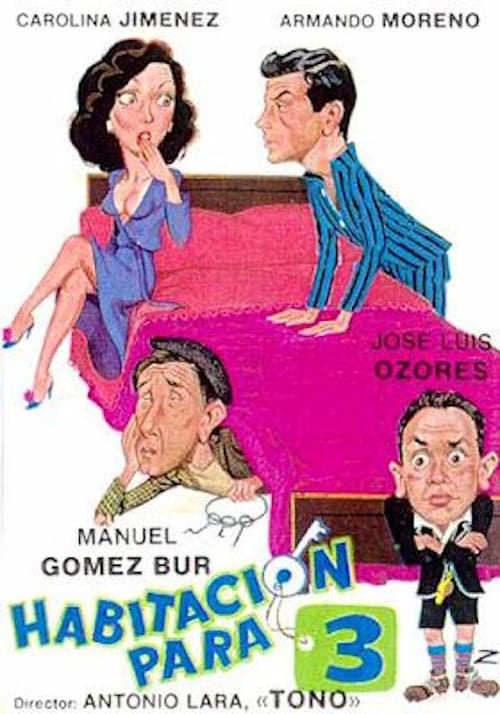
1952
Director
Tono
Average Rating
No ratings yetNew Showbiz Analysis
Habitación para tres is a product of its specific historical moment in 1952 Spain. The film operates within a framework of traditionalist values and social hierarchies that define the comedic genre of the period. The narrative focuses on character-driven situational comedy rather than social critique. This results in a production that mirrors the demographic and cultural norms of mid-century Spanish society. Ultimately, the film offers minimal disruption to established norms, functioning as a reflection of the era's prevailing social and religious structures.
Category Breakdown
The film does not include any characters with non-straight or non-cisgender identities. It emphasizes traditional family structures typical of 1950s Spanish comedy.
Carolina Jiménez plays a central female role, but the characters likely follow traditional romantic clichés. There is no indication of challenging gender hierarchies or the status quo.
The production reflects the cultural homogeneity of mid-century Spain. The cast appears localized, with no evidence of diverse racial or ethnic representation.
The film aligns with the traditional Western and religious values of its era. Comedic structures prioritize preserving social order and the family unit.
There is no evidence of characters with visible or invisible disabilities. No such characters appear to be used as plot devices.
Present on Screen
Limited or Absent
1963
1955

1971
1972

1965
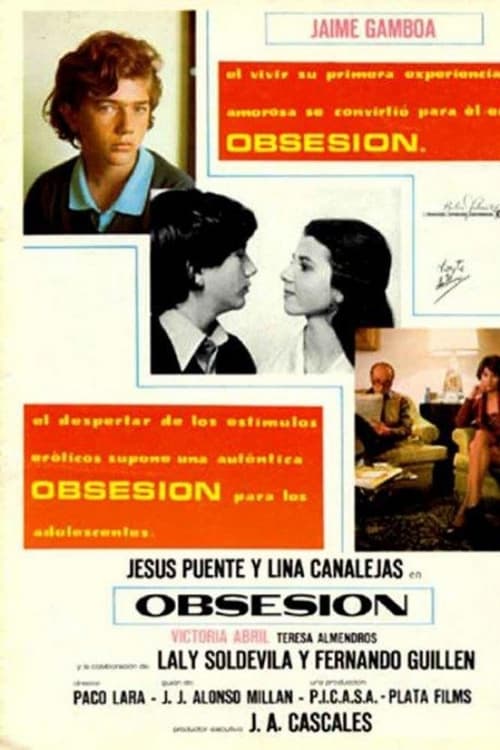
1975
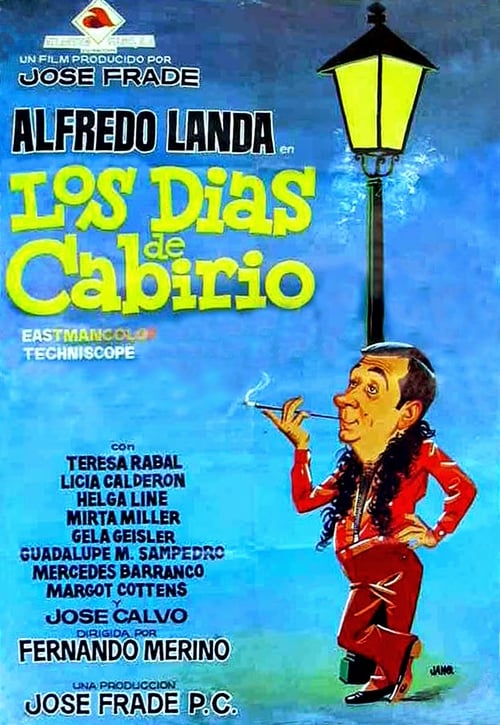
1971
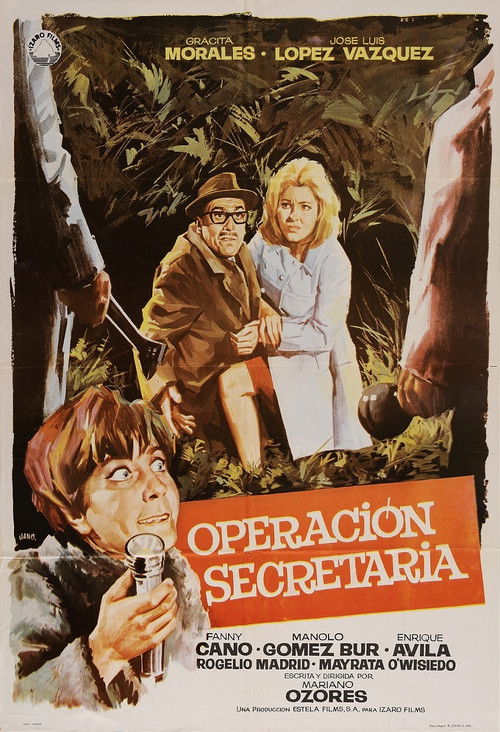
1966
No reviews yet. Be the first to share your thoughts on this movie!
Use the rating form above to leave a star rating and optional review.