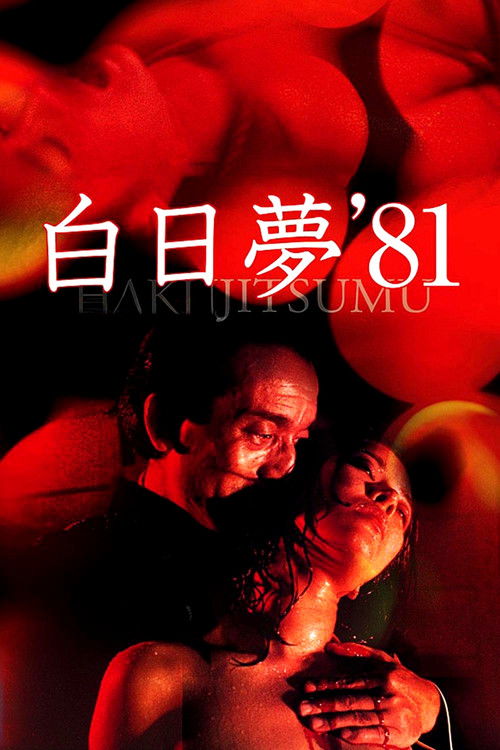
Day Dream
1981
No user ratings available yet
Representation score: 2.7 out of 10
Representation Score
Good
1964
Director
Tetsuji Takechi
Runtime
92 minutes
Average Rating
No ratings yetNew Showbiz Analysis
Daydream is a culturally authentic Japanese production that excels in maintaining its specific ethnic identity. By centering the protagonist's internal psyche, the film moves away from rigid, objective narrative hierarchies in favor of subjective experience. However, the film remains largely tied to mid-century cinematic clichés. Its exploration of desire is confined to heterosexual fantasies, and its use of altered states of consciousness functions more as a stylistic tool than a study of disability. Ultimately, the film is a psychologically nuanced work that succeeds in cultural cohesion but lacks depth in diverse identity representation.
Category Breakdown
The film centers on heterosexual fantasies and psychological projections. It does not include explicit representation of non-straight identities or critiques of traditional sexual norms.
The movie emphasizes the protagonist's internal psychological state and sensory experiences. This focus on personal ability to act provides a nuanced look at gendered experiences without undermining male leadership roles.
The production maintains high cultural authenticity with a predominantly Japanese cast and setting. There is no evidence of whitewashing or the imposition of Western casting norms.
Surrealism is used to challenge objective social structures by prioritizing subjective morality. However, the film lacks explicit anti-Western or overtly political ideological frameworks.
Altered states of consciousness are explored through sedation and dream sequences. These serve as surrealist narrative devices rather than meaningful portrayals of neurodivergence or physical disabilities.
Present on Screen
Limited or Absent
Official Synopsis
While under sedation in a dentist's office, a young art student has sex fantasies about naked women, vampires and a beautiful patient he saw in the office.
1981

1969
1987

1973

1969
1972

1969
2006
No reviews yet. Be the first to share your thoughts on this movie!
Use the rating form above to leave a star rating and optional review.