
The Best of Enemies
1961
No user ratings available yet
Representation score: 0.8 out of 10
Representation Score
Minimal
1963
Director
Steno
Runtime
100 minutes
Average Rating
No ratings yetNew Showbiz Analysis
Two Colonels is a traditional narrative that emphasizes humanistic themes over progressive structural changes. It operates as a humanistic drama rather than a systemic political critique. The film challenges the absolute authority of the state by presenting the 'enemy' through shared human suffering. However, this is done through classical humanism rather than identity-based frameworks. Ultimately, the film stays true to the cinematic conventions of the early 1960s, emphasizing masculine roles and nationalistic divisions.
Category Breakdown
The film focuses on traditional masculine figures and fatherly relationships. It does not depict any non-cisgender identities or same-sex relationships.
The story is primarily driven by male characters. Women play minor roles, reinforcing a patriarchal structure where men have the primary ability to act.
The story explores tensions between Italian and English identities. However, it does not delve into the complexities of multi-layered racial issues, reflecting the homogeneity of military structures from the time period.
The film humanizes the enemy by emphasizing personal loss over nationalist zeal. It suggests that individual human experiences are more significant than rigid wartime institutions.
There is no focus on neurodivergence, physical disabilities, or mental health issues. Characters are shown through the lens of typical military physical standards.
Present on Screen
Limited or Absent
Official Synopsis
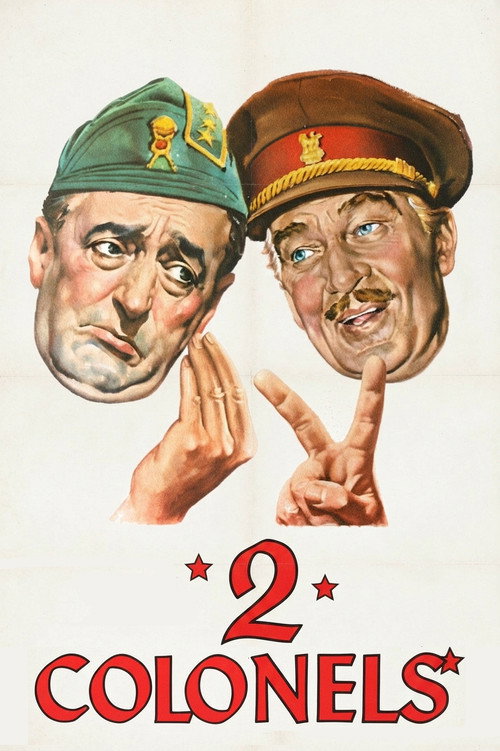
In WWII Greece, two enemy Colonels, one Italian and the other English, develop a grudging friendship which the war will test.
1961

1974
1960

1991
1960
1942
1962
1959
No reviews yet. Be the first to share your thoughts on this movie!
Use the rating form above to leave a star rating and optional review.