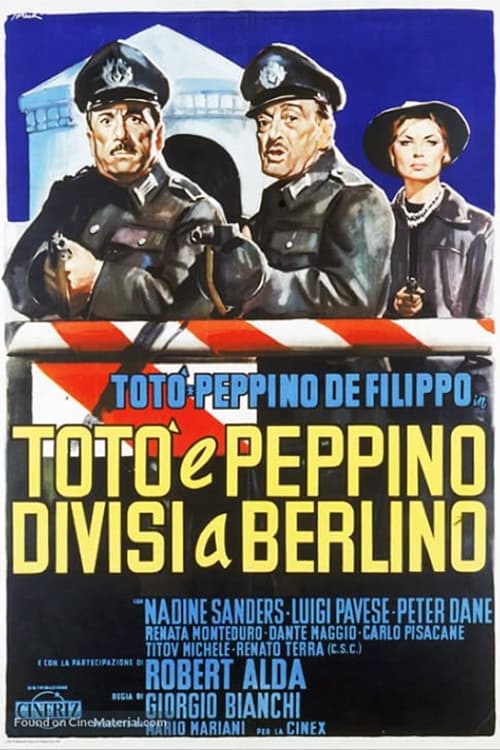
Totò e Peppino divisi a Berlino
1962
No user ratings available yet
Representation score: 2.2 out of 10
Representation Score
Minimal
1962
Director
Giorgio Bianchi
Runtime
95 minutes
Average Rating
No ratings yetNew Showbiz Analysis
This comedy operates within a traditional historical narrative structure. It uses satire to explore the disconnect between political charisma and personal disillusionment. However, the focus remains on individual opportunism rather than systemic social issues. The film follows the conventional narrative structures of mid-20th century European cinema. It does not aim to disrupt social hierarchies or offer characters who reflect more than one aspect of diversity, leading to a limited demographic scope. Ultimately, the work centers on a man's relationship with power, without engaging broader themes of identity-based liberation or diverse social perspectives.
Category Breakdown
The film does not include any characters with non-binary or LGBTQ+ identities, nor does it show any same-sex relationships. It focuses on a male clerk and a historical male figure, maintaining a traditional perspective.
The story revolves around a male protagonist and a historical male figure. There are no indications of female empowerment or challenges to traditional gender roles.
Set in 1960s Italy, the film reflects the demographics of its time, which are predominantly white. There is no evidence of casting intended to highlight racial diversity.
The film examines moral relativism through a protagonist's journey of social climbing. It presents a cynical view of individual opportunism without addressing broader institutional critiques.
The narrative does not feature any characters with visible or invisible disabilities.
Present on Screen
Limited or Absent
Official Synopsis
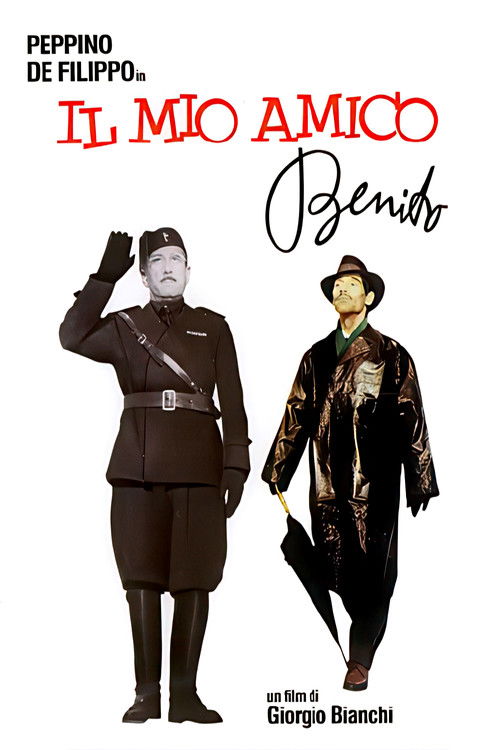
A clerk has had a picture taken during W.W.I with the future Italian dictator Mussolini and tries to exploit the situation pretending he is a dear friend of his. When he finds out who Mussolini really is he changes his mind and goes back to his bleak life.
1962
1991
1978

1975
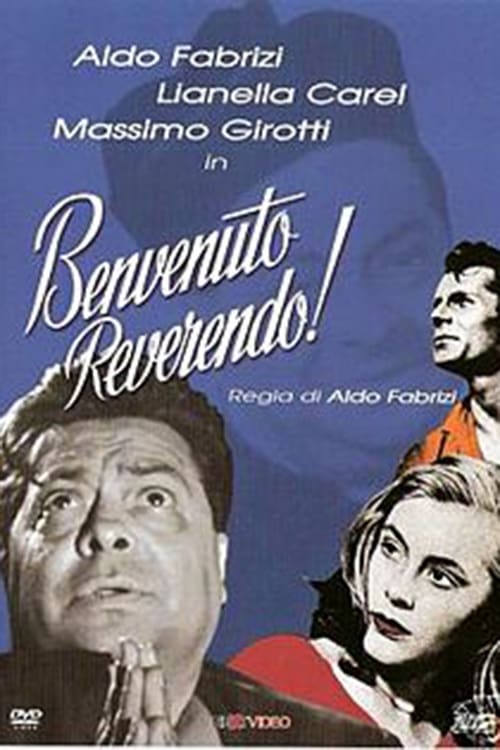
1950
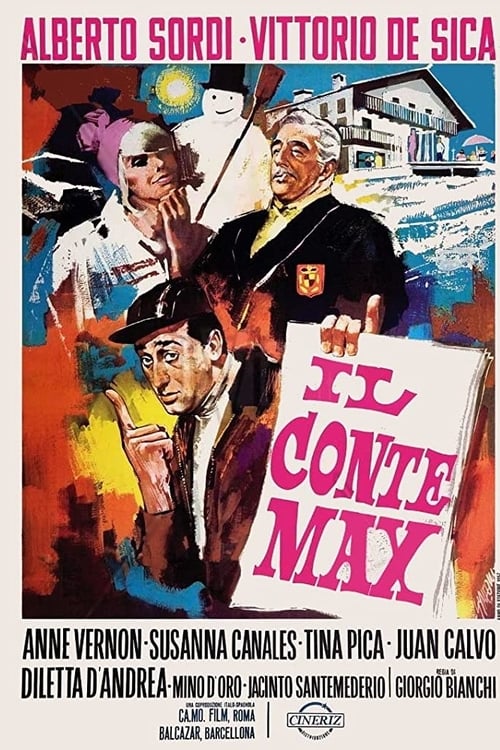
1957
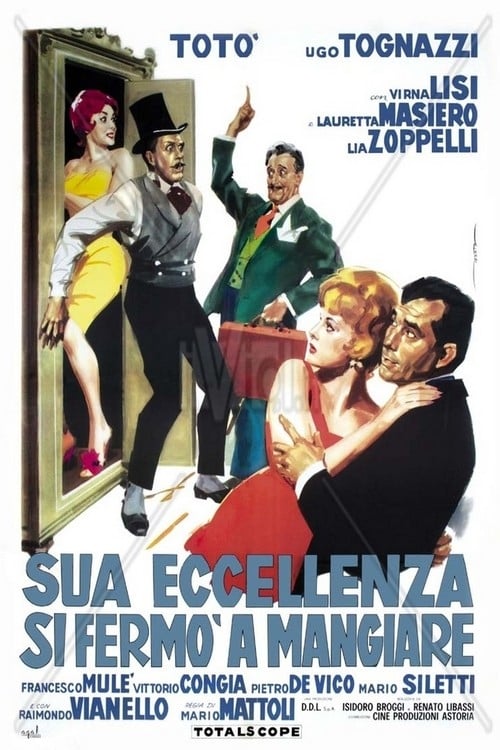
1961

1962
No reviews yet. Be the first to share your thoughts on this movie!
Use the rating form above to leave a star rating and optional review.