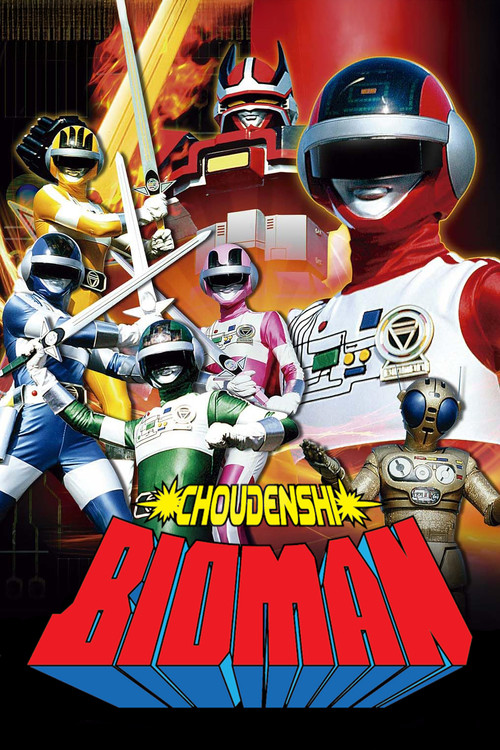
Choudenshi Bioman: The Movie
1984
No user ratings available yet
Representation score: 1.8 out of 10

Representation Score
Limited
1999
UnratedDirector
Kazuya Konaka
Runtime
74 minutes
Average Rating
No ratings yetNew Showbiz Analysis
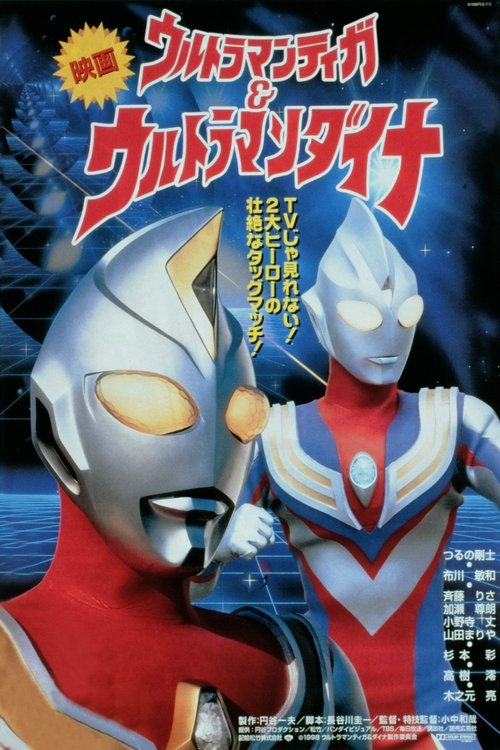
This crossover spectacle prioritizes cosmic conflict and franchise archetypes over sociological depth. It functions as a genre-driven celebration of the Heisei-era Ultraman era, emphasizing teamwork and terrestrial stability. The film adheres to the demographic and social norms of late-1990s Japanese media. It relies on established heroic clichés and paramilitary structures rather than attempting to disrupt social hierarchies. Ultimately, the production serves as a traditionalist piece. It focuses on the synergy between superheroes and their human support organizations to defend the status quo against external threats.
Category Breakdown
The film follows a traditional Tokusatsu framework and does not include non-binary identities or narratives that question the assumption that everyone is straight or cisgender. Instead, it focuses on platonic camaraderie among the characters.
Female characters play professional roles within defense teams like XIG. However, the narrative focus remains on male protagonists and traditional gender hierarchies.
The production features a predominantly homogeneous Japanese cast. The human elements do not utilize multicultural blending or casting actors whose backgrounds differ from the role's traditional expectation.
The story reinforces institutional stability through state-sanctioned defense teams. It promotes a cohesive, collective effort to protect the existing social order.
Characters are portrayed as able-bodied specialists. There is no discernible focus on visible or invisible disabilities within the narrative.
Present on Screen
Limited or Absent
Official Synopsis
A young boy discovers a magical rock that can make any wish come true. But the rock is stolen by a school bully who uses it to create a powerful and dangerous monster. The only way to stop the beast is to enlist the help of superhero Ultraman Gaia. The boy does everything he can to help the XIG Team, a brave group of humans who have direct contact with Ultraman Gaia as well as Ultraman Dyna and Ultraman Tiga.
1984
1996
1998
1995
1988
2022
2001

2016
No reviews yet. Be the first to share your thoughts on this movie!
Use the rating form above to leave a star rating and optional review.