Sense and Sensibility
1995
No user ratings available yet
Representation score: 2.5 out of 10
Representation Score
Fair
1996
PG-13Director
Jane Campion
Runtime
144 minutes
Average Rating
No ratings yetNew Showbiz Analysis
Jane Campion’s adaptation stands out by emphasizing female perspective and psychological independence over conventional romantic themes. Its strength lies in its nuanced deconstruction of 19th-century gender hierarchies and its examination of how institutional power can be used against individuals. However, the film's historical setting limits its exploration of racial and LGBTQ+ issues. The narrative focuses on the tensions of moving between America and Europe and the social performances tied to class rather than diverse identity politics. Ultimately, the film is a deep look at personal determination. It uses Isabel Archer's journey to reveal the corrupt systems behind wealth and social standing.
Category Breakdown
The film doesn't show explicit examples of LGBTQ+ identity or same-sex relationships. However, Madame Merle's actions challenge typical romantic expectations within the context of the time period.
Isabel Archer is a strong intellectual figure who fights against patriarchal structures. The film challenges traditional masculinity by showing Gilbert Osmond as a manipulative and harmful figure.
The cast mainly includes characters from similar backgrounds reflecting the social circles of the late 19th century. It explores cultural differences between American individualism and European traditions without addressing modern racial diversity.
The story criticizes Western institutions such as marriage and capital accumulation, showing them as tools of commodification and entrapment rather than stable social foundations.
The film does not include characters with visible or invisible disabilities as key parts of the story.
Present on Screen
Limited or Absent
Official Synopsis
Ms. Isabel Archer isn't afraid to challenge societal norms. Impressed by her free spirit, her kindhearted cousin writes her into his fatally ill father's will. Suddenly rich and independent, Isabelle ventures into the world, along the way befriending a cynical intellectual and romancing an art enthusiast. However, the advantage of her affluence is called into question when she realizes the extent to which her money colors her relationships.
1995
1995
1997

1945

1999
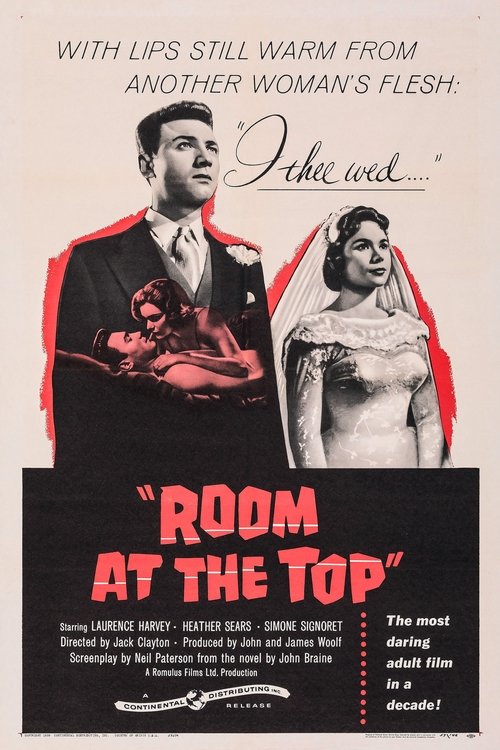
1958

1998
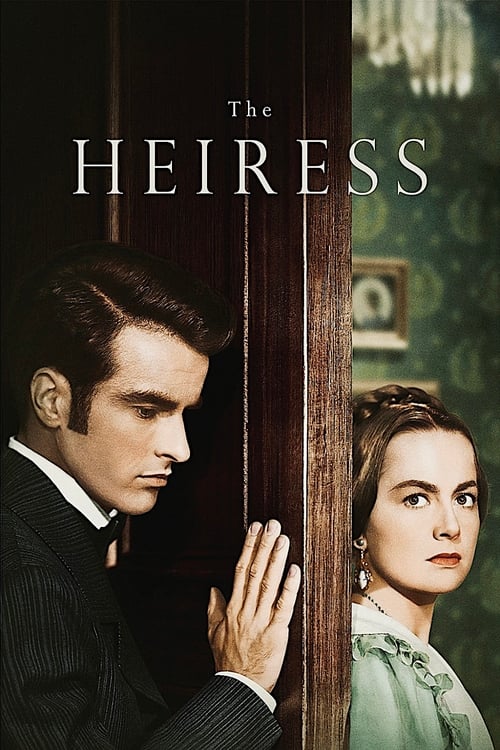
1949
No reviews yet. Be the first to share your thoughts on this movie!
Use the rating form above to leave a star rating and optional review.