
Angel
2007
No user ratings available yet
Representation score: 5.6 out of 10
Representation Score
Fair
2004
PG-13Director
Mira Nair
Runtime
141 minutes
Average Rating
No ratings yetNew Showbiz Analysis
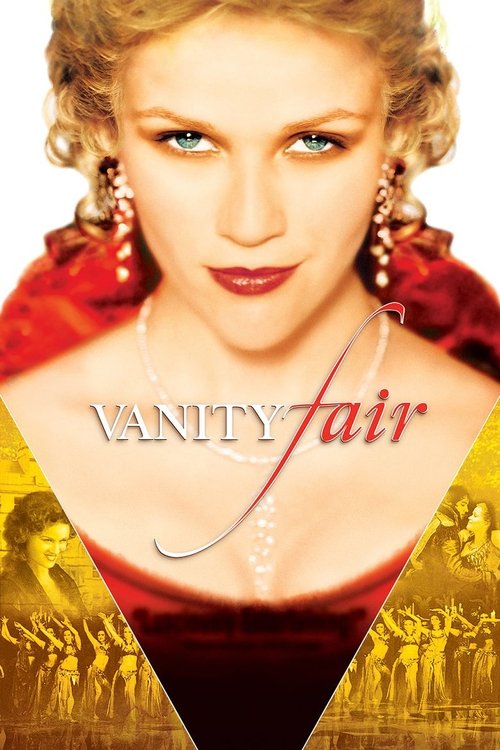
Mira Nair’s direction transforms this period drama into a nuanced exploration of social navigation. By highlighting Becky Sharp’s strategic maneuvers, the film challenges the standard Regency clichés and traditional views of femininity. The film excels in depicting female influence and moral relativism, yet it remains confined by its historical setting. The absence of racial and LGBTQ+ representation reflects the era's social structures rather than a modern inclusive perspective. Ultimately, the film offers a sophisticated critique of social hierarchies through its protagonist, showcasing empowerment through strategic social manipulation.
Category Breakdown
The film adheres strictly to the straight-centered social structures of the early 19th century. There are no visible depictions of non-assuming gender matches what was assigned at birth identities or same-sex intimacy.
The film showcases Becky Sharp's strategic intelligence to navigate a patriarchal society, passing the Bechdel test with conversations focused on social strategy. Her intellect allows her to exert significant influence over the story's progression.
The cast is primarily composed of white actors, reflecting the historical context of Regency England. The storyline does not significantly feature diverse racial backgrounds, focusing instead on the central social climbing narrative.
The film critiques traditional religious and cultural norms by emphasizing survival and mobility over conventional Christian morality. It portrays class-based capitalism as a system to be utilized for personal gain.
There are no prominent depictions of visible or invisible disabilities that drive the plot or serve as central character traits.
Present on Screen
Limited or Absent
Official Synopsis
In early 19th century England, orphaned Becky Sharp defies her poverty-stricken background and ascends the social ladder alongside her best friend.
2007

1998

2012

1997

1999

1996
1932
1996
No reviews yet. Be the first to share your thoughts on this movie!
Use the rating form above to leave a star rating and optional review.