
Jude
1996
No user ratings available yet
Representation score: 7.1 out of 10
Representation Score
Fair
1998
RDirector
Marshall Herskovitz
Runtime
111 minutes
Average Rating
No ratings yetNew Showbiz Analysis
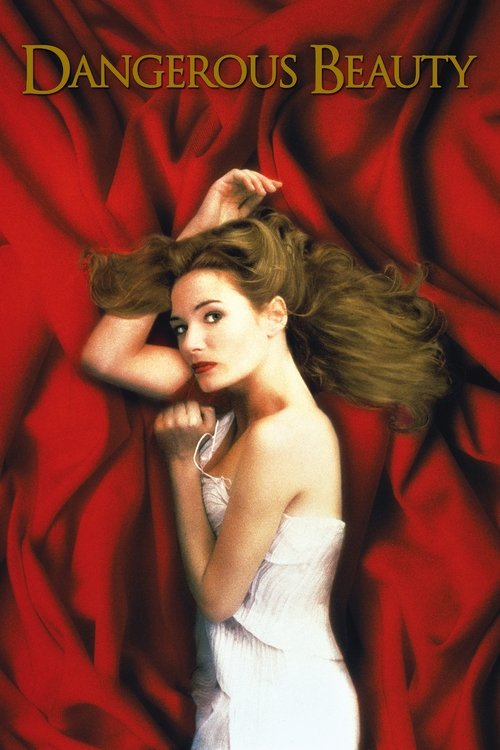
Dangerous Beauty is a sophisticated exploration of individual ability to act against systemic oppression. Its primary strength lies in empowering its female lead to use intellect to navigate and manipulate male-dominated spaces. This subversion of patriarchal control provides a powerful counter-narrative to the era's rigid social structures. However, the film remains limited by its historical setting and traditional romantic focus. The lack of LGBTQ+ representation and the absence of racial diversity prevent it from achieving a higher score. The narrative tension is rooted more in class and gender than in broader multi-layered identities. Ultimately, the film succeeds as a critique of institutional power. By framing personal truth as a valid challenge to ecclesiastical authority, it offers a compelling look at the struggle for autonomy.
Category Breakdown
The film centers on traditional heterosexual relationships and lacks explicit LGBTQ+ character arcs or critiques of the assumption that everyone is straight.
The protagonist challenges gender hierarchies through her intellectual prowess. She uses theological and philosophical discussions to defy the patriarchal norms of the 14th century.
The story reflects the demographic realities of historical Europe, focusing on socioeconomic class tensions rather than ethnic or racial diversity.
The narrative criticizes the Catholic Church as a system that oppresses individuals. It highlights the importance of personal conviction against institutionalized religious doctrine.
There are no prominent depictions of physical or neurodivergent disabilities central to the narrative.
Present on Screen
Limited or Absent
Official Synopsis
Veronica is brilliant, gifted and beautiful, but the handsome aristocrat she loves, Marco Venier, cannot marry her because she is penniless and of questionable family. So Veronica's mother, Paola, teaches her to become a courtesan, one of the exotic companions favored by the richest and most powerful Venetian men. Veronica courageously uses her charms to change destiny -- and to give herself a chance at true love.
1996

1992
1995
1995
2004
1997
2009
1919
No reviews yet. Be the first to share your thoughts on this movie!
Use the rating form above to leave a star rating and optional review.