Fire in the Dark
1991
No user ratings available yet
Representation score: 3.1 out of 10
Representation Score
Fair
1950
Director
Ben Maddow
Runtime
25 minutes
Average Rating
No ratings yetNew Showbiz Analysis
The film offers a sophisticated look at social realism by centering an aging woman's perspective. It moves beyond simple melodrama to explore how systemic pressures, such as economic exclusion and shifting family dynamics, impact individuals. While the narrative provides depth regarding gendered experiences and the breakdown of the nuclear family, it lacks broad diversity. The story remains focused on a narrow demographic, offering little visibility for different racial or sexual identities. Ultimately, the film succeeds in disrupting mid-century clichés of the contented matriarch, providing a nuanced study of aging and independence.
Category Breakdown
The film adheres to traditional domestic structures of the 1950s and does not include any queer narratives or non-straight relationships.
The story emphasizes Mrs. Potter's psychological resilience and ability to act. It critiques masculine identity linked to professional status and highlights gendered barriers to employment.
The narrative focuses on a specific domestic experience. There is no mention of a multi-ethnic cast or racial themes within the story.
The film deconstructs the idealized Western family model by showing domestic conflict. It also critiques capitalist structures through the protagonist's struggle with age-based economic exclusion.
The plot touches on the functional and psychological challenges of aging. Characters are treated as subjects of life transitions rather than through disability-specific clichés.
Present on Screen
Limited or Absent
Official Synopsis
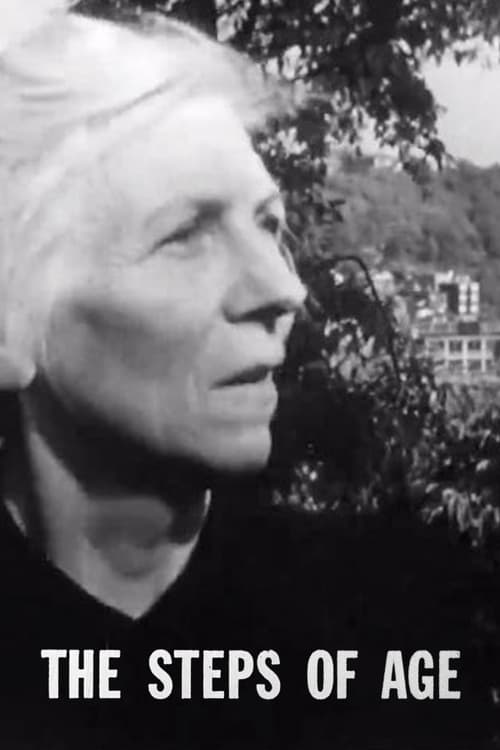
Describes the challenges of aging as seen through the eyes of a woman, Mrs. Potter, whose husband becomes listless and unhappy following his forced retirement at age 65. She worries about him and knows that his lack of engagement is not emotionally healthy. When he dies after a few years of retirement, she gives up her home and goes to live with her daughter's family, which also presents challenges. The woman reflects on how to manage these life changes, and how to continue to live a rewarding, engaged life. She seeks a job but is turned away, apparently because the dress shop that is hiring prefers someone younger. She has some disagreements with her daughter about child-rearing. Ultimately, she and her daughter both conclude that they must show more respect and appreciation for one another.
1991
1962
1981
1949
2001
1937

1939

1971
No reviews yet. Be the first to share your thoughts on this movie!
Use the rating form above to leave a star rating and optional review.