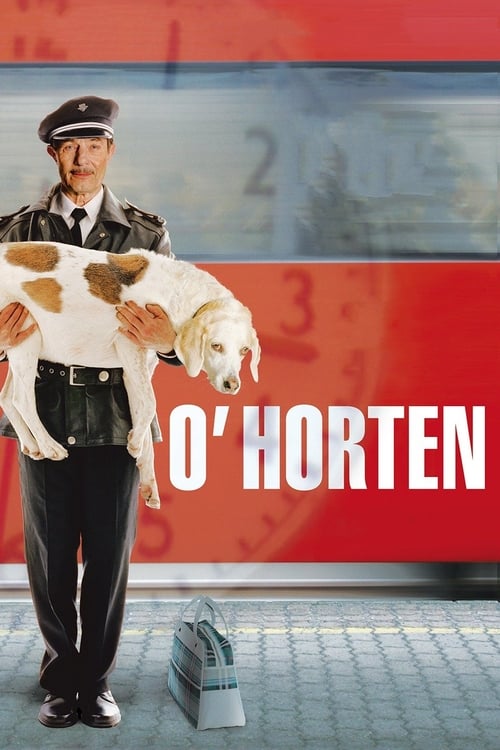
O'Horten
2007
No user ratings available yet
Representation score: 4.0 out of 10
Representation Score
Fair
2001
NRDirector
Manoel de Oliveira
Runtime
90 minutes
Average Rating
No ratings yetNew Showbiz Analysis
Manoel de Oliveira’s drama is a sophisticated, character-driven study of loss that prioritizes philosophical inquiry over social representation. The film functions as a traditional European art-house piece, focusing on the internal life of an aging actor rather than identity politics. While the film's postmodern structure disrupts conventional storytelling, it does not actively engage with the way different parts of someone's identity overlap or the subversion of systemic hierarchies. It remains a homogeneous exploration of individual grief within a specific cultural setting. Ultimately, the work is defined by its aesthetic of memory and its focus on universal themes of mortality, leaving little room for diverse social commentary.
Category Breakdown
The film focuses on the domestic aftermath of a family tragedy. There are no LGBTQ+ characters or critiques of the assumption that everyone is straight or cisgender present.
The narrative centers on the emotional interiority of a male protagonist. While it avoids aggressive masculine hierarchies, it lacks the active subversion of gender roles.
The production features a primarily Portuguese cast within a European context. It does not utilize diverse ethnic ensembles to challenge Western-centric norms.
The film is a meditative study on mortality and memory. It avoids overt ideological critiques but explores subjective truth through a postmodern lens.
No characters are shown navigating physical disabilities or neurodivergence. The story focuses on the psychological weight of grief and the aging process.
Present on Screen
Limited or Absent
Official Synopsis
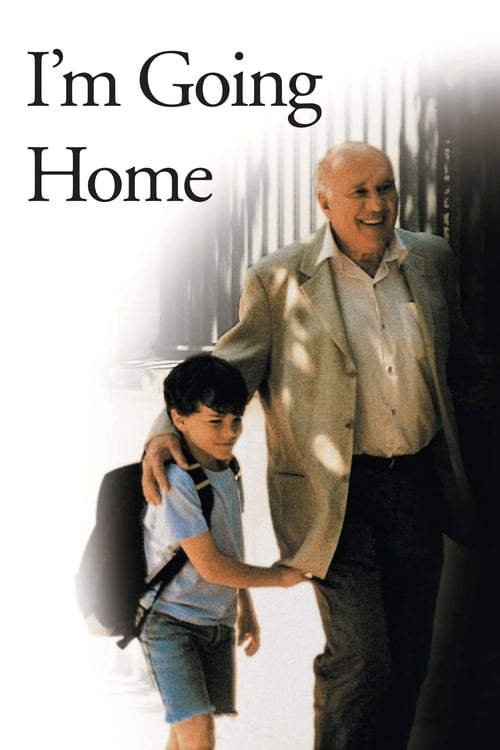
The comfortable daily routines of aging Parisian actor Gilbert Valence, 76, are suddenly shaken when he learns that his wife, daughter, and son-in-law have been killed in a car crash. Having to take care of his now-orphaned grandson, he struggles to go on with his lifelong acting career like he's used to. But the roles he is offered -- a flashy TV show and a hectic last-minute replacement in an English-language film of Joyce's Ulysses -- finally convince him that it's time to retire.
2007
2013

2015
1962
1979

2010

2005

2020
No reviews yet. Be the first to share your thoughts on this movie!
Use the rating form above to leave a star rating and optional review.