
I Know Where I'm Going!
1945
No user ratings available yet
Representation score: 3.6 out of 10
Representation Score
Minimal
1952
NRDirector
John Ford
Runtime
129 minutes
Average Rating
No ratings yetNew Showbiz Analysis
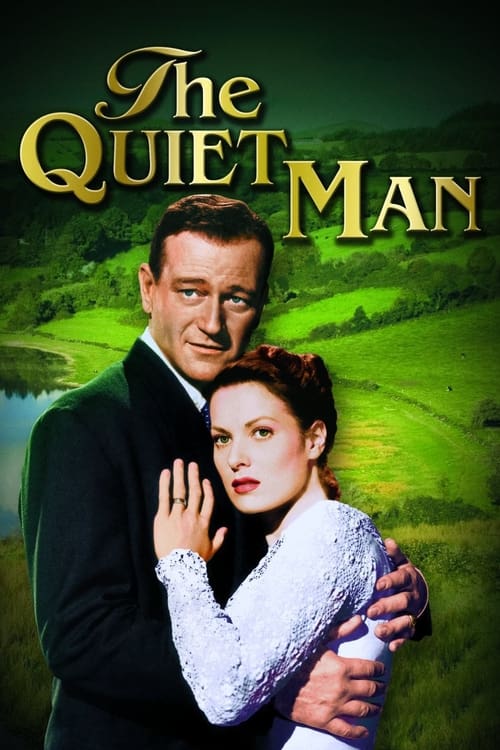
The Quiet Man serves as a quintessential study of traditionalist social architecture. While it offers a sophisticated exploration of cultural identity through the lens of the Irish diaspora, it functions primarily to reinforce established hierarchies rather than challenge them. The narrative relies on clearly defined roles of gender, class, and tradition. Conflict resolution is achieved through the protagonist's successful assimilation into a stable, conservative social order, rather than through the deconstruction of systemic norms. Ultimately, the film provides an atmospheric portrayal of Irish folklore and communal belonging, but it remains rooted in the mid-century social structures of its era.
Category Breakdown
The film operates within a strictly straight-centered framework. There are no depictions of queer subtext or non-cisgender identities, as the plot focuses entirely on traditional marriage.
Mary Kate Danaher plays a significant role in driving the story, yet her arc is defined by navigating patriarchal constraints. The story reinforces mid-century hierarchies and the concept of the male protector.
Casting is ethnically homogeneous, reflecting the rural Irish setting. The narrative explores the diaspora experience through Sean Thornton, highlighting tensions between American modernity and ancestral heritage.
The film romanticizes traditional Western and religious structures, such as family honor and the dowry system. It presents these customs as essential components of social cohesion.
The film does not feature prominent characters with visible or invisible disabilities.
Present on Screen
Limited or Absent
Official Synopsis
An American man returns to the village of his birth in Ireland, where he finds love and conflict.
1945
1936
1956
1939
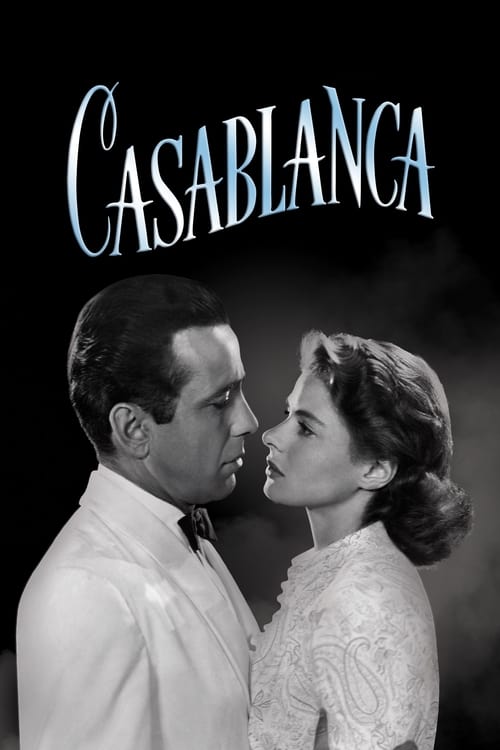
1943
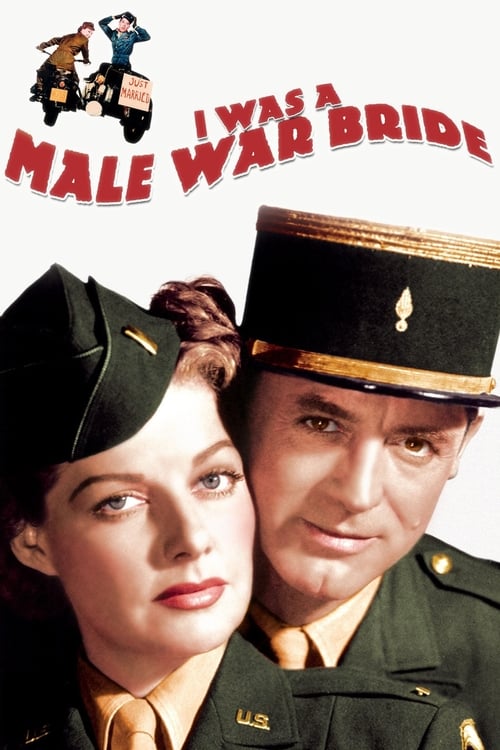
1949
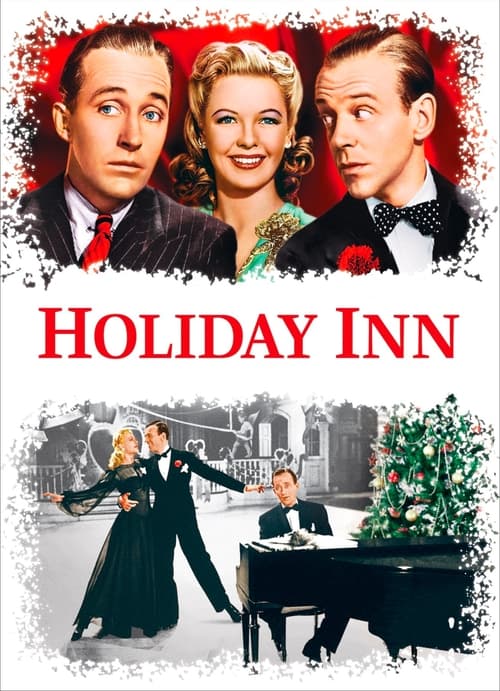
1942
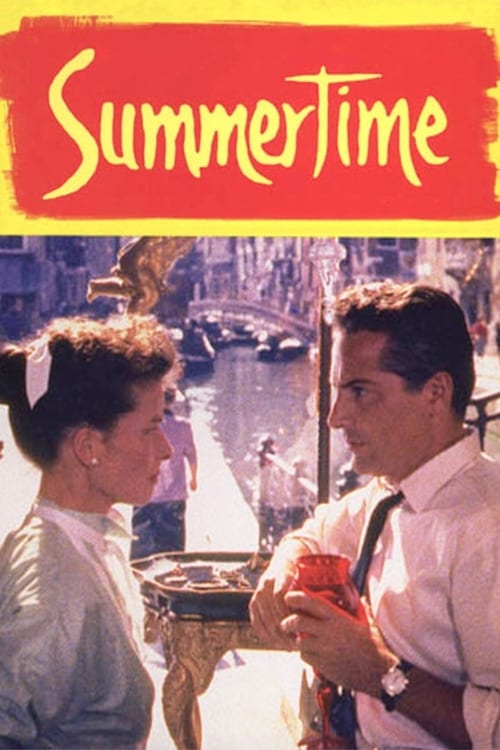
1955
No reviews yet. Be the first to share your thoughts on this movie!
Use the rating form above to leave a star rating and optional review.