
His Girl Friday
1940
No user ratings available yet
Representation score: 3.0 out of 10
Representation Score
Limited
1950
ApprovedDirector
George Cukor
Runtime
103 minutes
Average Rating
No ratings yetNew Showbiz Analysis
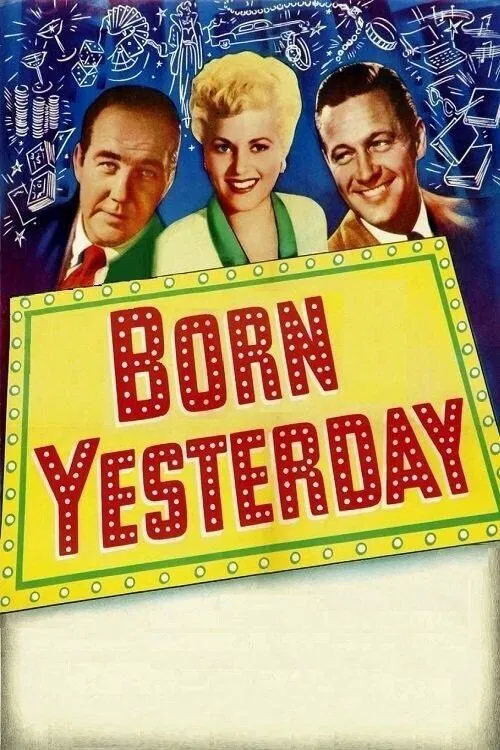
Born Yesterday excels as a character study that challenges traditional gender roles. By focusing on Billie Dawn's intellectual development, the film moves beyond the cliché of the decorative female lead to show a woman gaining control through education. However, the film is limited by the era's lack of demographic diversity. The cast is overwhelmingly homogeneous, offering almost no racial or ethnic diversity. Additionally, there is no representation of LGBTQ+ identities or disabilities. Ultimately, the film's strength lies in its cultural critique. It uses the corruption of a junkyard tycoon to challenge the idealization of the self-made man and the intersection of extreme wealth and political power.
Category Breakdown
The film does not include any LGBTQ+ characters or explore non-straight identities. The story revolves around a traditional heterosexual relationship and power dynamic.
Billie Dawn transforms from a passive mistress into an intellectually independent person. She challenges patriarchal structures and Harry Brock's dominance.
The cast is homogeneous, typical of 1950s cinema. There is no significant racial or ethnic diversity or perspectives reflecting multiple aspects of identity.
The story criticizes Western institutional corruption and the ethics of capitalism. It emphasizes intellectualism and secular enlightenment over material accumulation and social norms.
The film does not depict any physical, sensory, or neurodivergent disabilities.
Present on Screen
Limited or Absent
Official Synopsis
Uncouth, loud-mouth junkyard tycoon Harry Brock descends upon Washington D.C. to buy himself a congressman or two, bringing with him his mistress, ex-showgirl Billie Dawn.
1940
1936

1961

1942
1964

1936
1942
1948
No reviews yet. Be the first to share your thoughts on this movie!
Use the rating form above to leave a star rating and optional review.