
Kiss Me, Stupid
1964
No user ratings available yet
Representation score: 0.9 out of 10
Representation Score
Minimal
1962
NRDirector
Delbert Mann
Runtime
99 minutes
Average Rating
No ratings yetNew Showbiz Analysis
This romantic comedy reflects its mid-century cinematic context, emphasizing traditional social hierarchies and straight relationships. The story focuses on the interpersonal negotiations of the upper class, particularly regarding marriage and companionship. While the female protagonist shows initiative in pursuing her social goals, the film lacks broad demographic representation. The setting is a narrow, homogeneous environment without multi-layered complexity or systemic disruption. Ultimately, the film reinforces established Western social norms and material status, offering limited representation outside a specific, elite demographic.
Category Breakdown
The film strictly follows the assumption that everyone is straight or cisgender. It does not depict any non-traditional gender identities or relationships that challenge the typical romantic binary.
Cathy Timberlake has moderate influence as she navigates personal autonomy. However, the plot stays rooted in traditional gender roles and expectations around casual relationships and marriage.
The cast and setting reflect a highly homogeneous, Anglo-Saxon, upper-class demographic. There is no evidence of diverse ethnic backgrounds or color-blind casting.
The narrative emphasizes mid-century Western values and capitalist traditions. It centers on high-society lifestyles, social etiquette, and traditional courtship without challenging Western institutions.
The film does not portray any visible or invisible disabilities. None of the characters have narratives defined by neurodivergence or physical impairments.
Present on Screen
Limited or Absent
Official Synopsis
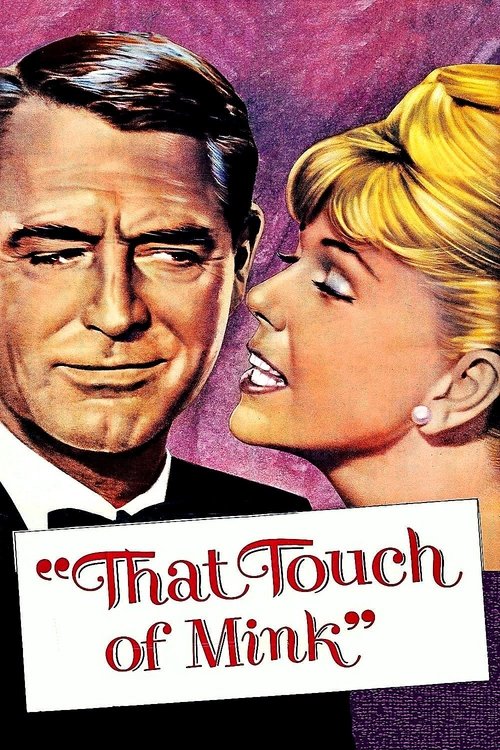
Cathy Timberlake is en route to a job interview when a car transporting businessman Philip Shayne covers her in mud. He sends his assistant, Roger, to apologize, but upon meeting Cathy, Roger knows that she would be a suitable match for his boss. Despite their mutual attraction, Cathy and Philip want different things. Philip wants a fling, while Cathy wants a marriage. As they travel to exotic locales, their differing motivations are put to the test.
1964
1942

1958
1957
1934

1958
1953
1956
No reviews yet. Be the first to share your thoughts on this movie!
Use the rating form above to leave a star rating and optional review.