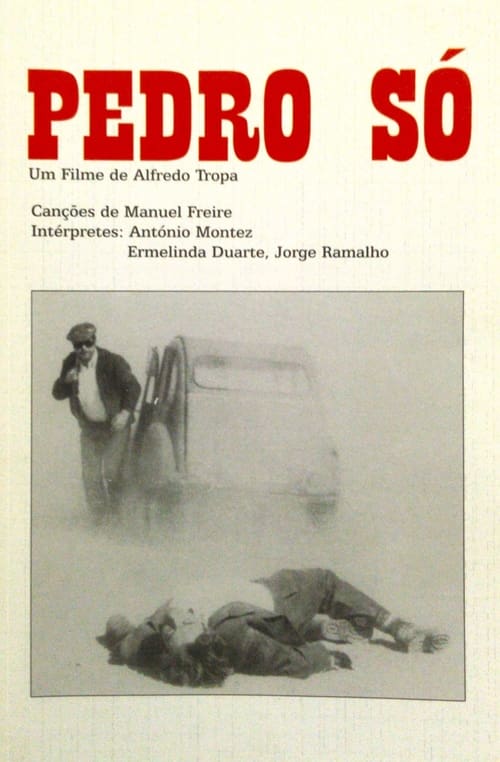
Just Pedro
1972
No user ratings available yet
Representation score: 4.4 out of 10
Representation Score
Limited
1969
Director
Lene Grønlykke, Sven Grønlykke
Runtime
85 minutes
Average Rating
No ratings yetNew Showbiz Analysis
The film operates as a traditional character study centered around a young man's conflict with his environment. While it provides a nuanced look at the fallibility of authority and the disruption of social order, it remains a localized, homogeneous narrative. The production lacks substantial representation of multiple aspects of identity, limiting its scope to a narrow demographic.
Category Breakdown
The film does not include any explicit LGBTQ+ characters or narratives. The romantic interests are presented through a traditional lens, focusing on a young girl as the protagonist's object of affection.
The story focuses on a male protagonist's journey through mistakes and displacement. Women are portrayed primarily as objects of affection rather than figures of intellectual or structural authority.
Set in the Danish marshlands, the film depicts a culturally homogeneous environment. There is no indication of a multi-ethnic cast or non-Western European perspectives.
The narrative examines moral relativism by breaking down traditional authority structures. It emphasizes individual experiences and a wandering sense of morality over strict adherence to institutional or legalistic frameworks.
The film includes a disabled car that the protagonist fixes, but there are no characters with physical or neurodivergent disabilities portrayed with significant control over their own lives.
Present on Screen
Limited or Absent
Official Synopsis
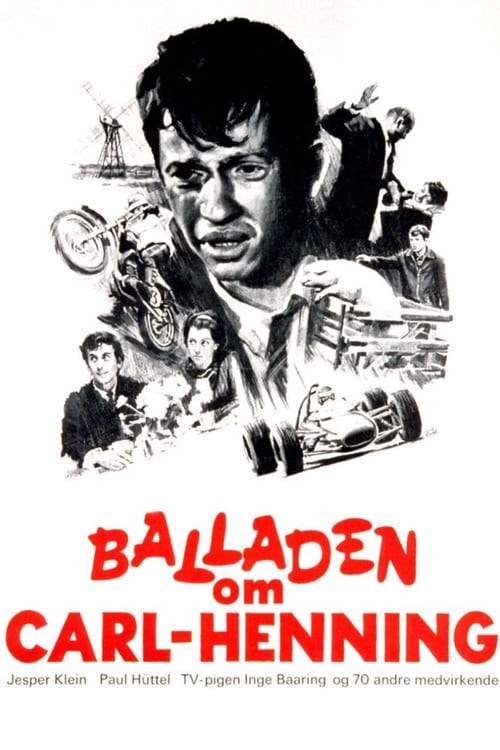
Carl-Henning (Jasper Klein) is a young man working as an apprentice on a dairy farm in the Danish marshland. When he isn't working, he tinkers on a disabled car and dreams of a young girl who is a local student. After a few too many beers one night, he steals some money from the till at work. He is caught by the foreman, who beats the young man. Carl-Henning defends himself and knocks the man down a flight of stairs. Convinced he has murdered the man, Carl runs away and joins up with a traveling carnival. Although the foreman has only a slight bump on the head and all is forgiven, Carl never receives word he is welcome to return and begins a series of adventures that take him far beyond the farm.
1972

1957
1954

1963
1968

1961
1982
1970
No reviews yet. Be the first to share your thoughts on this movie!
Use the rating form above to leave a star rating and optional review.