
A Child Is Waiting
1963
No user ratings available yet
Diversity score: 4.7 out of 10
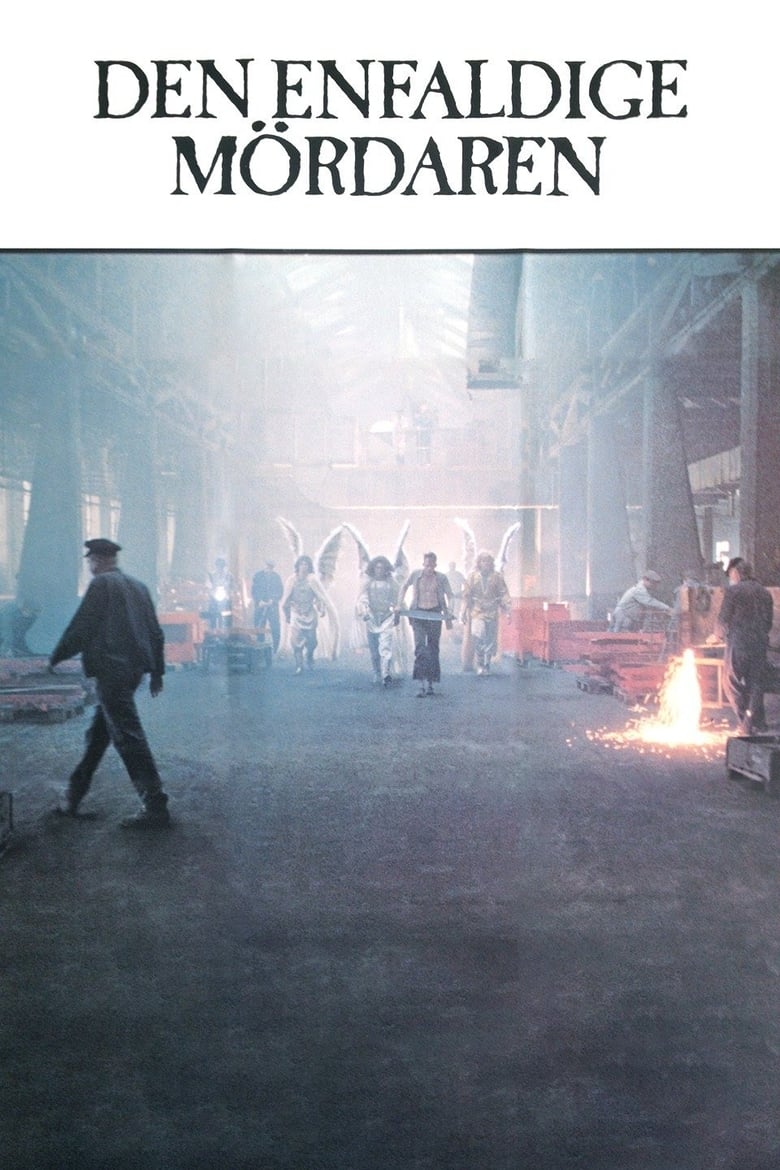
1982
Director
Hans Alfredson
Runtime
108 minutes
Average Rating
No ratings yetSynopsis
The feeble-minded Sven's mother dies and he gets work as a farm-hand at the rich, affluent Höglund's farm. He has to work without pay and sleeps together with the cows. He meets the disabled Anna who is the first one to treat him as an adult. One day he has had enough of Höglund's maltreatment and moves in with Anna's family. Plot by Mattias Thuresson.
Overall Score
Fair
Category Breakdown
LGBTQ+ Representation
The film does not feature LGBTQ+ characters or explore non-heteronormative identities. The narrative focuses strictly on the protagonist's struggle for dignity within a rigid social hierarchy.
Gender Representation
The story centers on the male experience and vulnerability within judicial systems. While Anna provides a moment of empathy, the film largely adheres to traditional 1930s gender roles.
Racial & Ethnic Diversity
Set in 1930s Sweden, the film reflects the demographic homogeneity of its era. The narrative prioritizes class and cognitive ability over ethnic or racial intersectionality.
Religious & Cultural Diversity
The film excels in deconstructing Western institutions like the legal system and state authority. It portrays the affluent class as predatory, highlighting systemic cruelty in socioeconomic hierarchies.
Disability Representation
The narrative places a character with a cognitive disability at the center, granting him agency. The relationship between Sven and Anna disrupts conventional expectations of social competence.
Strengths
Areas for Improvement
AI Analysis
Hans Alfredson’s film is a sophisticated critique of institutional power, using dark satire to examine the friction between individuals and the state. It succeeds most profoundly by centering a neurodivergent protagonist, using his perspective to expose systemic failures rather than treating disability as a mere plot device. While the film offers a powerful deconstruction of the legal and capitalist structures of the 1930s, it remains limited by the demographic homogeneity of its setting. The lack of racial, ethnic, and LGBTQ+ intersectionality keeps the scope narrow, focusing almost exclusively on class and cognitive ability. Ultimately, the film's strength lies in its moral relativism. By prioritizing the subjective truth of the marginalized over the mandates of the law, it provides a rare and dignified portrayal of agency for those often silenced by society.
1963

1996
1939
2004

1975

2007

1973

1972

1992

2019

2007
1913
No reviews yet. Be the first to share your thoughts on this movie!
Use the rating form above to leave a star rating and optional review.