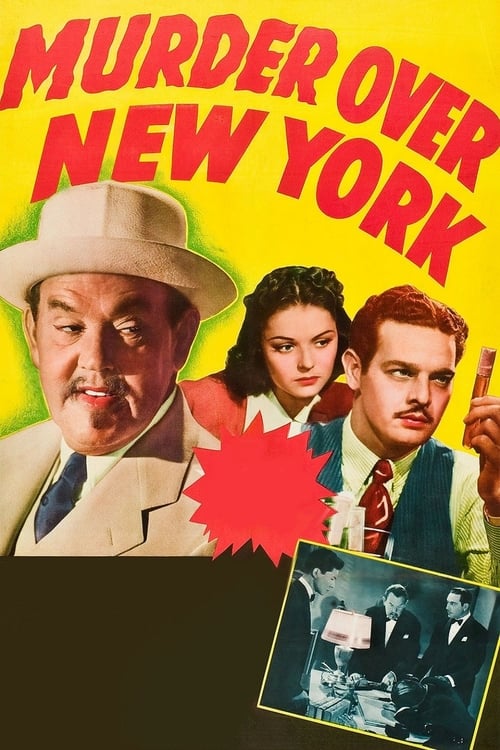
Murder Over New York
1940
No user ratings available yet
Representation score: 1.8 out of 10
Representation Score
Minimal
1936
ApprovedDirector
Harry Lachman
Runtime
72 minutes
Average Rating
No ratings yetNew Showbiz Analysis
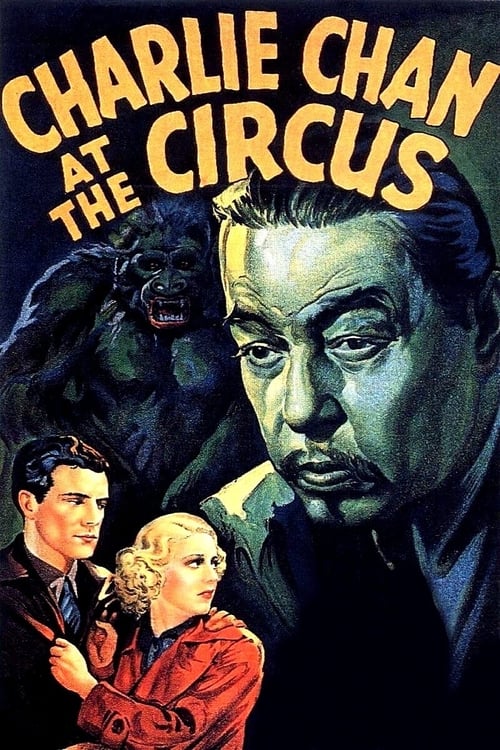
Charlie Chan at the Circus is a historical example of evolving representation. It stands out by featuring an Asian protagonist in a position of intellectual authority, which was rare for 1930s Hollywood. However, the film still adheres to the traditional gender roles and cultural norms of its time. While the central character provides notable visibility, the narrative occasionally relies on stereotypical representations.
Category Breakdown
The film does not include any LGBTQ+ characters or explore non-straight identities. It sticks to traditional heterosexual relationships.
Female characters mostly play supporting roles, often as victims or love interests. They have limited influence over the plot and reinforce traditional gender roles.
The film features a Chinese-American detective, which was unusual for the 1930s. However, it sometimes uses stereotypical language and behaviors associated with Asian characters.
The story follows a standard detective plot that upholds Western legal traditions and social order. It reinforces the stability of the status quo.
There are no significant portrayals of physical or cognitive disabilities that shape the storyline or main characters.
Present on Screen
Limited or Absent
Official Synopsis
While visiting the circus with his family, Charlie is recruited by the big top's co-owner to investigate threatening letters that he's received.
1940
1944
1941
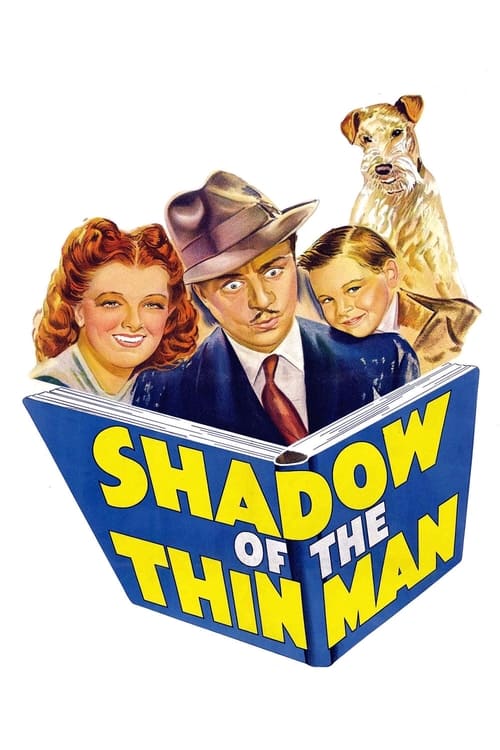
1941
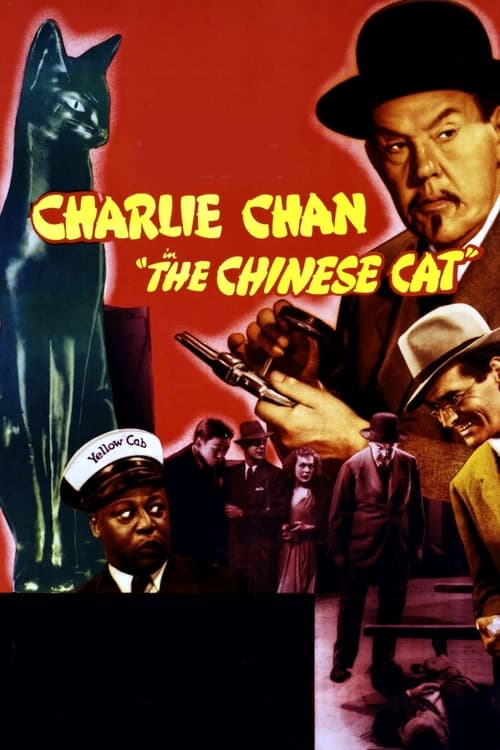
1944
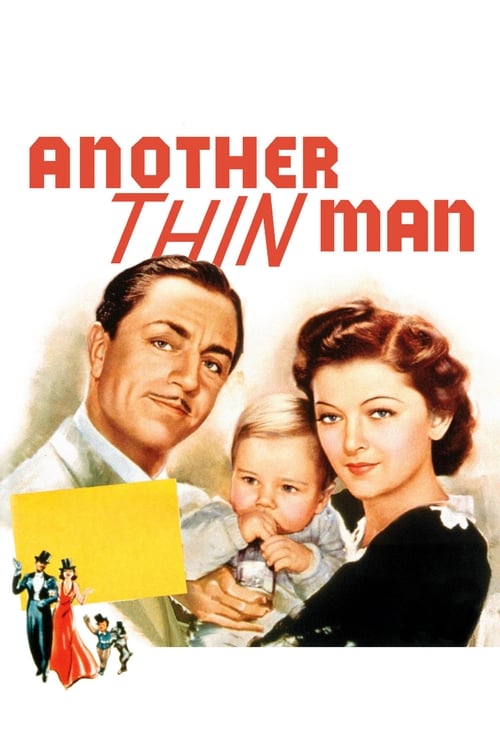
1939
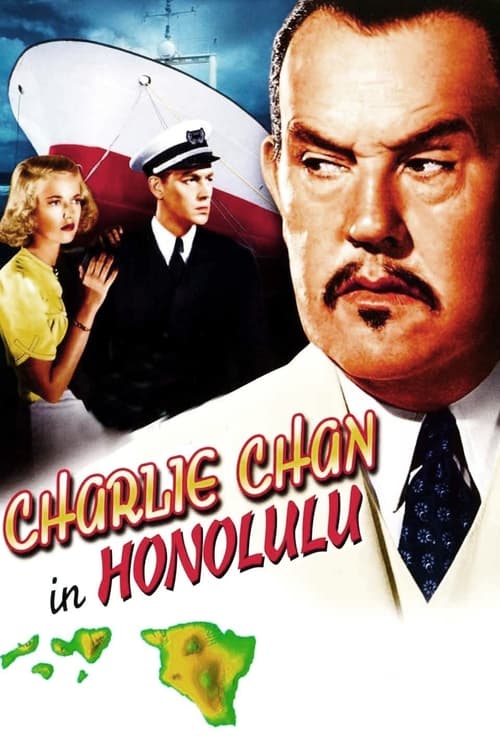
1938
1934
No reviews yet. Be the first to share your thoughts on this movie!
Use the rating form above to leave a star rating and optional review.