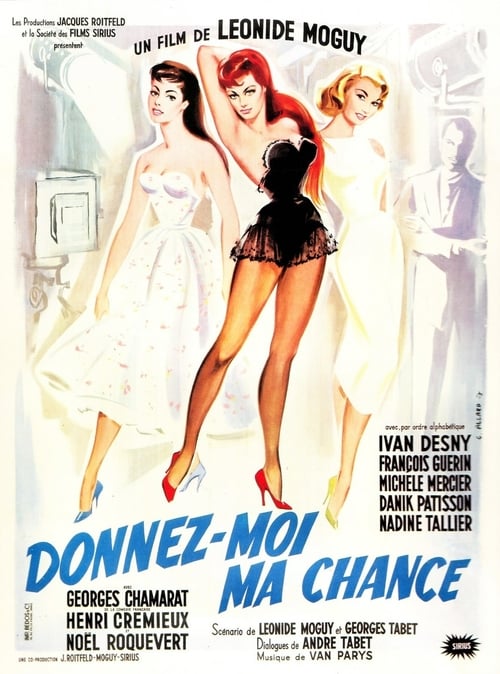
Give Me My Chance
1957
No user ratings available yet
Representation score: 3.3 out of 10
Representation Score
Limited
1942
Director
Carlo Ludovico Bragaglia
Runtime
85 minutes
Average Rating
No ratings yetNew Showbiz Analysis
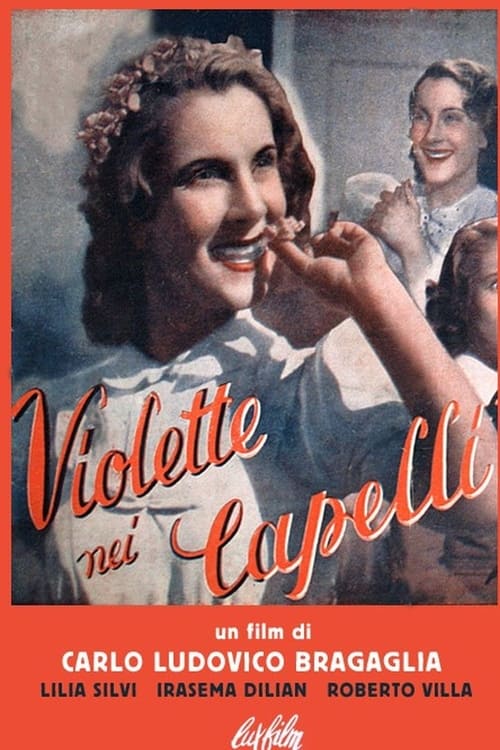
Violette nei capelli is a character study centered on female ambition. The film provides a platform for women to drive their own arcs through their desire to enter the world of dance and drama. This focus on female empowerment distinguishes it from more passive period dramas. However, the film remains rooted in the social and demographic norms of 1942. It lacks depth in representing multiple aspects of diversity, such as racial or LGBTQ+ identities. The story prioritizes individual merit and artistic longing over broader social critiques. Ultimately, while the protagonists shape their own destinies, the film operates within a conventional dramatic framework that upholds the era's standard social structures.
Category Breakdown
The film focuses on the friendships and professional goals of its female characters. It does not include any LGBTQ+ narratives or challenge the assumption that everyone is straight.
The story centers on the intellect and professional drive of three women. While it allows the protagonists to pursue their dreams, it does not challenge the dominance of male authority.
The production reflects the homogeneous demographics of 1942 Italy. There is no indication of diverse casting that would disrupt the era's standard demographic practices.
The narrative follows a traditional path of personal aspiration and artistic pursuit. It does not offer a critique of established social, religious, or cultural institutions.
The film contains no mention of characters with visible or invisible disabilities. There is no representation of neurodivergence or chronic illness.
Present on Screen
Limited or Absent
Official Synopsis
Lilia Silvi stars as Carina, an orphaned little seamstress, who is in the habit of sneaking out of her window at night, and go to the theater. Once back in her small chamber, she will act out all the parts of the play she has just witnessed. Her longing is to be on the stage, and then she meets Oliva and Mirella, two sisters who share her ambition to enter the world of dance and drama. The three girls become inseparable friends, and we follow them in their aspirations to make it to the stage.
1957
1950
1947
1937

2011
1946

2020

1991
No reviews yet. Be the first to share your thoughts on this movie!
Use the rating form above to leave a star rating and optional review.