Out of Step
2002
No user ratings available yet
Representation score: 3.7 out of 10
Representation Score
Limited
1987
PG-13Director
Hamid Khan
Runtime
82 minutes
Average Rating
No ratings yetNew Showbiz Analysis
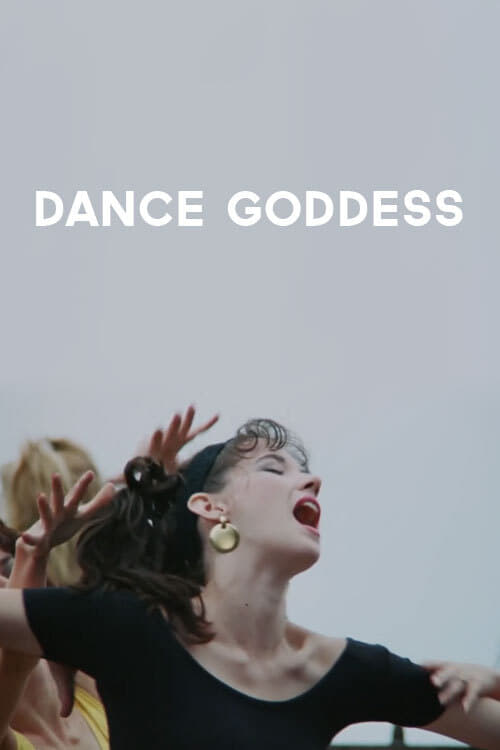
Dance Goddess is a traditional drama centered on personal ambition and romantic tension. Its narrative structure relies heavily on well-known clichés, such as the conflict between professional goals and personal relationships, which limits its depth. The film lacks complexity in representing diverse identities, reinforcing conventional social structures. Although it features a strong female lead, her journey is defined by traditional romantic rivalries rather than a broader challenge to social hierarchies. Overall, the film follows a predictable Western dramatic path, emphasizing personal success and interpersonal drama over diverse representations or critical examinations of societal structures.
Category Breakdown
The film focuses on a typical love triangle involving Mike, Maggie, and Julie. It doesn't explore any non-traditional gender identities or challenge the idea that everyone is straight.
Julie is a determined protagonist, but her actions are often shaped by her struggle between romance and career. This reinforces traditional gender roles rather than challenging them.
The story revolves around a predominantly white cast in a New York dance studio. There is no indication of diverse ethnic backgrounds or race-bent casting.
The plot follows common Western themes of meritocracy and success in the performing arts. It doesn't critically examine capitalism or traditional social structures.
The film does not mention any characters with disabilities or neurodivergence. There is no representation of characters with physical or cognitive differences.
Present on Screen
Limited or Absent
Official Synopsis
DANCE GODDESS follows Julie, who arrives at New York City’s Kahn Dance Studios from London with but a simple dream – to be the greatest dancer in the world. She has a fire in her heart and believes with the right connections, she won’t need luck. Julie immediately strikes a rapport with lead dancer Mike…much to the chagrin of Mike’s dance partner and secret/not-so-secret girlfriend and weed addict Maggie. Julie and Mike mesh so well from the jump they begin singing the film’s first song, “Dream On”, to the applause of their classmates. Has Doc (the director himself, Hamid Kahn) found his proverbial DANCE GODDESS?, he wonders aloud. Soon, Julie finds herself embroiled in a struggle between her heart’s desires (Mike) and her dreams (dance). Why can’t she have both, she wonders aloud a number of times? With the help of Doc, Julie meets up with Jack – a famous producer – who promises to get her all the way to Broadway. - Spectacle Theater
2002
1983
1988
2000

2016

2003
2018
1995
No reviews yet. Be the first to share your thoughts on this movie!
Use the rating form above to leave a star rating and optional review.