
The Life and Passion of Jesus Christ
1903
No user ratings available yet
Representation score: 0.3 out of 10
Representation Score
Minimal
1898
Director
Louis Lumière, Georges Hatot, Alexandre Promio
Runtime
11 minutes
Average Rating
No ratings yetNew Showbiz Analysis
This 1898 collection of vignettes functions as a foundational religious text rather than a diverse narrative. It upholds the traditional hierarchies and spiritual orthodoxy of the late 19th century. The work lacks any intentionality regarding progressive representation, reinforcing the social and religious norms of its era through a strictly Western lens. Because the production is guided by religious iconography, it prioritizes established archetypes over nuanced or disruptive characterizations.
Category Breakdown
The film does not include any queer narratives or non-cisgender identities. It strictly follows the religious norms of the 1890s.
The story focuses on Jesus and his male disciples. Female characters are depicted through traditional, submissive roles that support the patriarchal structures of the time.
The casting reflects a European perspective typical of early cinema. The film presents a Western interpretation of Middle Eastern history without blending different races.
The film emphasizes singular Christian morality and divine authority. It serves as a tool for religious storytelling rather than critiquing Western spiritual institutions.
There is no evidence of characters with disabilities portrayed with ability to act. Physical ailments are used only as markers of divine intervention or suffering.
Present on Screen
Limited or Absent
Official Synopsis
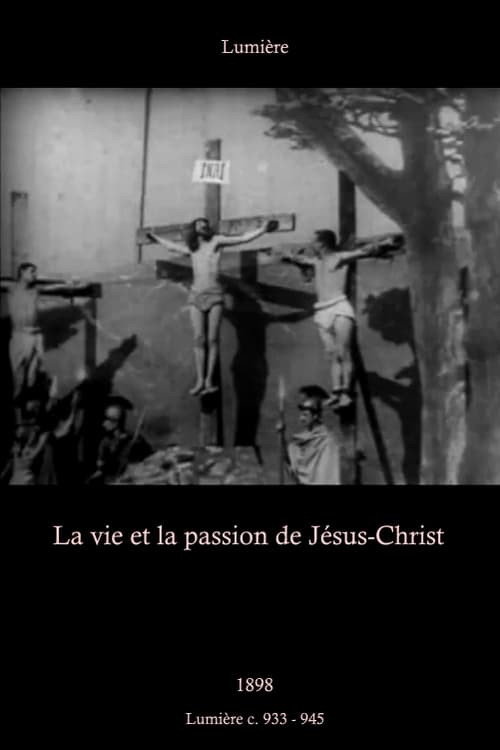
The Lumière catalog sold this title as 13 individual, one-scene films, allowing exhibitors to choose which films they wanted to purchase and how to arrange them in their programs. Lumière catalog no. 933 through 945.
1903

1928

1906

1979

1927

2003
1923

2019
No reviews yet. Be the first to share your thoughts on this movie!
Use the rating form above to leave a star rating and optional review.