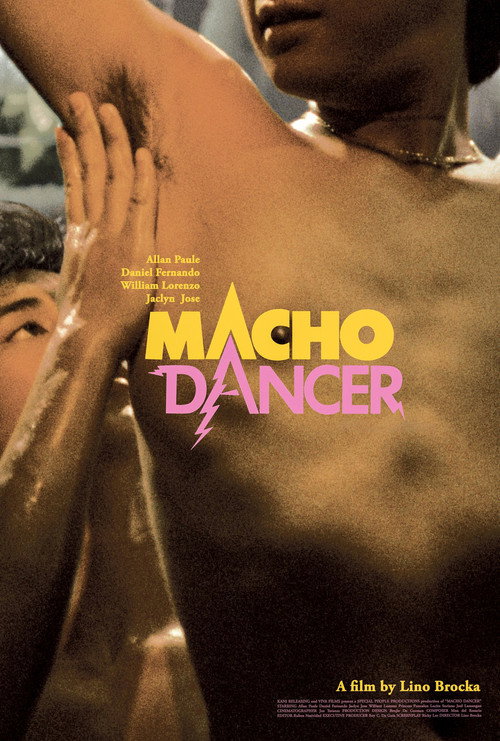
Macho Dancer
1989
No user ratings available yet
Diversity score: 7.8 out of 10
1990
Director
Lino Brocka
Runtime
103 minutes
Average Rating
No ratings yetSynopsis
A corrupt, lonely couple manipulates a naive, young couple using money, power, and lies.
Overall Score
Good
Category Breakdown
LGBTQ+ Representation
The film lacks explicit evidence of LGBTQ+ characters or non-heteronormative identities. The narrative focuses on the conflict between two couples, suggesting a traditional heteronormative structure.
Gender Representation
Gender roles are explored through the lens of class and power struggles. The depiction of a corrupt couple subverts traditional family stability, presenting domesticity as a site of moral decay.
Racial & Ethnic Diversity
As a Philippine production, the film centers a non-Western perspective. It prioritizes indigenous social dynamics and operates outside of Western cinematic hegemony.
Religious & Cultural Diversity
The narrative critiques capitalist-driven corruption and the erosion of ethics. It deconstructs social hierarchies by portraying the elite as morally compromised rather than virtuous.
Disability Representation
There is no evidence regarding the representation of physical or neurodivergent disabilities within the film.
Strengths
Areas for Improvement
AI Analysis
Lino Brocka’s social realist approach drives a narrative focused on systemic corruption and class struggle. The film excels in cultural representation by challenging traditional social hierarchies and the sanctity of economic power. While the film provides a strong non-Western perspective, it lacks visible representation for LGBTQ+ identities and disability. The focus remains heavily on the interpersonal and economic manipulation between two couples. Ultimately, the work serves as a critique of institutional decay, using character dynamics to expose societal inequities rather than focusing on modern identity politics.
1989

1976
1984
1974

1985
1990
1991

1971
1989
1982

1985

2001
No reviews yet. Be the first to share your thoughts on this movie!
Use the rating form above to leave a star rating and optional review.