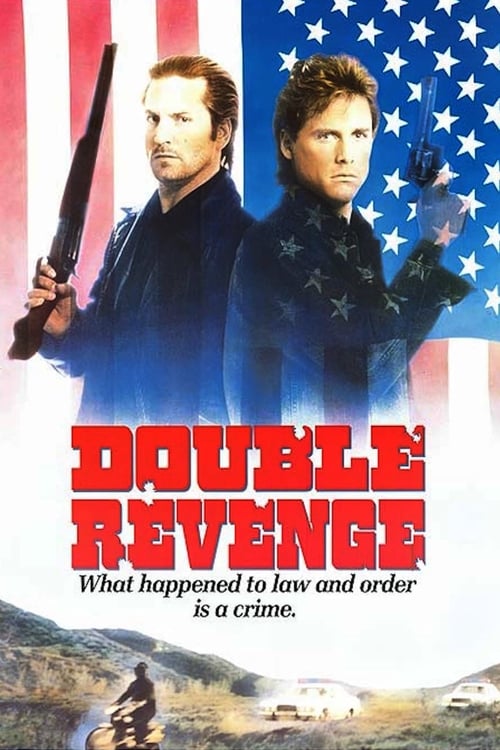
Double Revenge
1988
No user ratings available yet
Representation score: 0.2 out of 10

Representation Score
Good
1989
Director
Lino Brocka
Runtime
110 minutes
Average Rating
No ratings yetNew Showbiz Analysis
Sweet Revenge is a powerful critique of systemic power and political corruption. By focusing on a woman's reclaiming of ability to act, the film disrupts traditional hierarchies and challenges the exploitation inherent in local governance. The film stands out for its authentic non-Western perspective, rooted in Philippine socio-political realities, and avoids typical Hollywood clichés. It uses the thriller genre to explore how individuals survive and resist against predatory political systems. While the film does not include LGBTQ+ or disability representation, its strong focus on gender empowerment and anti-establishment themes creates a compelling narrative of resistance.
Category Breakdown
The story focuses on a heterosexual conflict involving Salve, Alfred, and Via. There are no explicit references to queer identities or non-cisgender narratives.
Salve challenges the submissive wife stereotype by transforming from a passive victim to an active agent of vengeance. Her journey from victim to avenger drives the plot forward.
This Filipino production centers on non-Western perspectives and local socio-political realities. It avoids a Western-centric viewpoint by focusing on local political families and rural life.
The film presents a sharp critique of corrupt political institutions. It depicts a moral landscape where justice is pursued outside of the formal, often corrupt legal system.
There are no mentions of characters dealing with physical or cognitive disabilities in the provided material.
Present on Screen
Limited or Absent
Official Synopsis
Salve, a content barrio lass, is married to Alfred, an aspiring politician. Alfred meets Via finds out that they can both be very useful to each other's lives. He is set on pursuing a political career and Via is from a powerful political family that wants to continue to govern the land. Together, Albert and Via plan a scheme to get rid of Salve. But Salve survives the carnage. Salve takes revenge.
1988
1972
1991
1987

1984
1983
1985

1990
No reviews yet. Be the first to share your thoughts on this movie!
Use the rating form above to leave a star rating and optional review.