Enthusiasm
1998
No user ratings available yet
Representation score: 5.3 out of 10
Representation Score
Fair
2001
Director
Andrés Wood
Runtime
94 minutes
Average Rating
No ratings yetNew Showbiz Analysis
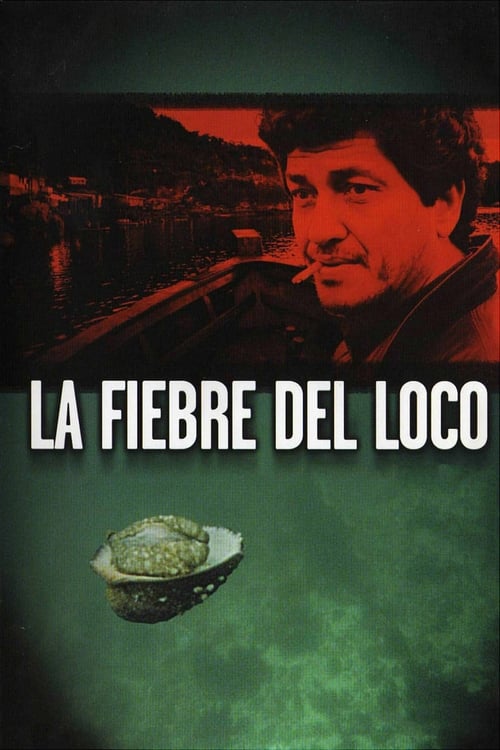
Loco Fever is a character study of a coastal community facing rapid, destabilizing transformation. It uses the harvesting of shellfish as a catalyst to explore how sudden economic opportunity can erode social cohesion and communal morality. The film succeeds in challenging the idea of a peaceful village life by highlighting the systemic impact of capitalism. It goes beyond simple storytelling to examine the volatile intersection of local traditions and globalized greed. While the film does not explicitly focus on identity politics or diverse sexual orientations, it offers a nuanced look at how external economic forces reshape a specific South American social hierarchy.
Category Breakdown
The story focuses on traditional heterosexual relationships and commercial sex work. There are no non-cisgender identities or narratives that question the assumption that everyone is straight. A group of traveling prostitutes is present, but they do not have non-cisgender identities or narratives that challenge heteronormativity.
Sonia serves as a model of economic empowerment as a restaurant owner. However, the central conflict revolves around male-driven greed and competition, often leaving female characters in reactive roles.
The film avoids Western homogeneity by focusing on a Chilean coastal community. The inclusion of a Japanese company adds a layer of globalized economic interaction to the local social fabric.
The narrative provides a deep cultural complexity by showing how external capitalist interests destabilize traditional village structures. It critiques the breakdown of communal morality through the lens of economic opportunism.
The film does not provide any visible evidence regarding the portrayal of physical or neurodivergent disabilities.
Present on Screen
Limited or Absent
Official Synopsis
When the Chilean officials lift the ban on harvesting the shellfish "el loco" (which purportedly is an aphrodisiac) in the seaside village of Puerto Gala greed and lust take hold. Greed is embodied by Carlos Maldonato, "El Canuto," who attempts to buy all of the shellfish for a Japanese company, and by a traveling band of prostitutes that accompany the influx of fishermen. El Canuto also wrangles to get into good stead with an old flame, Sonia, who is now the proprietor of "La Pincoya," a local restaurant. But "el loco" proves more effective, and more damaging, than anyone could have guessed.
1998

2012

1985

1956
1976
2005

2008

2009
No reviews yet. Be the first to share your thoughts on this movie!
Use the rating form above to leave a star rating and optional review.