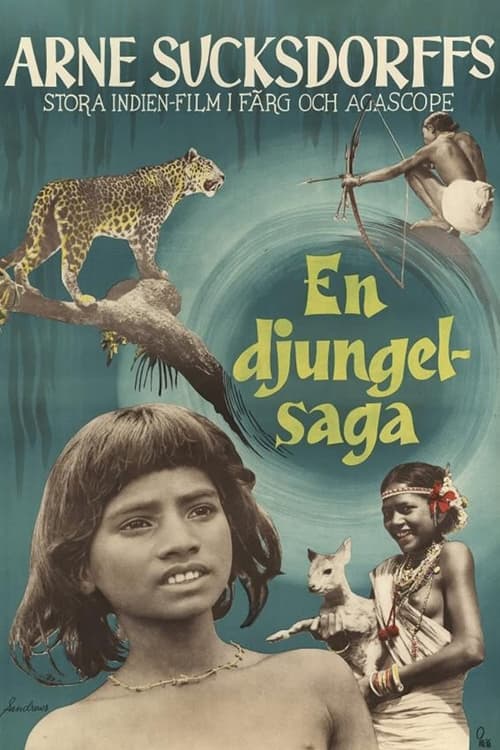
Indian Village
1951
No user ratings available yet
Representation score: 2.5 out of 10
Representation Score
Limited
1957
Director
Arne Sucksdorff
Runtime
85 minutes
Average Rating
No ratings yetNew Showbiz Analysis
The film stands out for its ethnographic focus on the Muria people, providing a rare and dignified look at indigenous life in 1950s cinema. By centering non-Western rituals and music, it successfully challenges the Eurocentric perspectives dominant in its era. However, the documentary lacks depth in individual character development and specific representation for LGBTQ+ or disabled identities. The focus on communal survival means the narrative remains largely observational rather than character-driven. Ultimately, the work serves as a progressive baseline for its time by disrupting Western cultural hegemony, even if it lacks modern diversity metrics.
Category Breakdown
The film focuses on the communal rituals and survival mechanisms of the Muria people. There are no depictions of LGBTQ+ characters or non-cisgender identities present.
The narrative centers on communal rhythms and children interacting with their environment. It presents functional, subsistence-based gender roles without the heavy patriarchal clichés common in 1950s Western cinema.
The film centers the Muria people of central India, disrupting the Eurocentric gaze of the era. It documents their music and rituals with dignity, avoiding typical colonial-era 'othering.'
By prioritizing a subsistence-based, communal lifestyle, the film offers a non-Western perspective. It contrasts the natural cycles of the Bastar jungle against Western industrial or religious frameworks.
There are no identifiable depictions of physical or neurodivergent disabilities. The focus remains on the collective health and survival of the community.
Present on Screen
Limited or Absent
Official Synopsis
Arne Sucksdorff’s ethnographic feature documents the life and rituals of the Muria people in the Bastar jungle of central India, focusing on their traditions, music, and relationship to the natural environment. Presented with Sucksdorff’s lyrical visual style, the film was selected for the 1958 Cannes Film Festival.
1951
1922
1963
2010
1986
2004

1989
1997
No reviews yet. Be the first to share your thoughts on this movie!
Use the rating form above to leave a star rating and optional review.