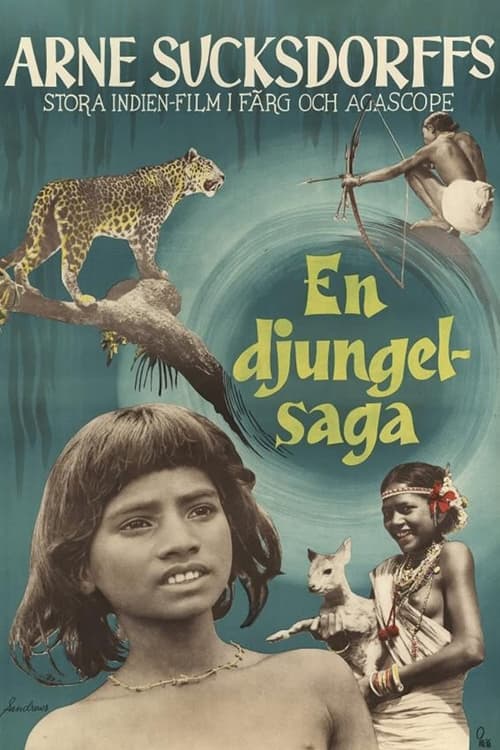
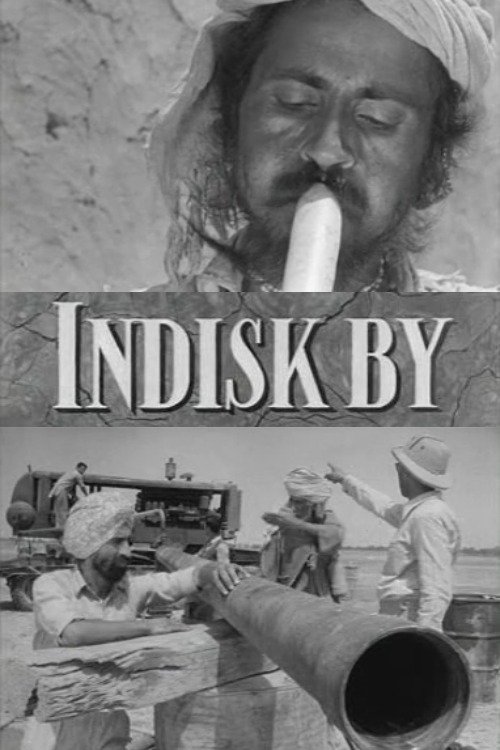
The Flute and the Arrow
1957
No user ratings available yet
Representation score: 3.6 out of 10
Representation Score
Limited
1951
Director
Arne Sucksdorff
Runtime
24 minutes
Average Rating
No ratings yetNew Showbiz Analysis
Arne Sucksdorff’s documentary stands out as a compelling ethnographic study by focusing on an Indian community rather than a Western one. Its primary strength lies in its authentic portrayal of non-Western life, which contrasts sharply with the Eurocentric norms prevalent in 1950s cinema. However, the film is constrained by the social structures of its time and place. It reinforces traditional gender hierarchies by depicting men and women in strictly defined roles without challenging these norms. Overall, while the film provides a valuable glimpse into a specific cultural context, its observational approach and adherence to traditional social norms limit its diversity score.
Category Breakdown
The film does not include any LGBTQ+ characters or non-assuming gender matches what was assigned at birth gender expressions. It focuses solely on the communal and biological cycles of rural life.
Gender roles adhere to traditional social hierarchies of the era. Men are shown working in fields, while women are focused on domestic and communal tasks.
The documentary features an entirely Indian cast, breaking away from the Eurocentric casting norms common in 1950s cinema. It offers a unique, non-Western perspective on lived experiences.
Spirituality and rituals are seamlessly integrated into daily life, highlighting a subsistence-based lifestyle that emphasizes communal existence over individual accumulation.
The film does not depict any characters with visible or invisible disabilities. There are no plot devices or mockery involving such characters.
Present on Screen
Limited or Absent
Official Synopsis
A short documentary by Swedish filmmaker Arne Sucksdorff portraying everyday life in a rural Indian village. Through carefully composed images of people, landscapes, and communal rhythms, the film offers an intimate view of village life. It was awarded the Special Jury Prize at the 1952 Cannes Film Festival.
1957
1929
1968

1927
1947
2010
1958
1947
No reviews yet. Be the first to share your thoughts on this movie!
Use the rating form above to leave a star rating and optional review.