Colorado Ambush
1951
No user ratings available yet
Representation score: 1.1 out of 10
Representation Score
Minimal
1943
ApprovedDirector
Lambert Hillyer
Runtime
57 minutes
Average Rating
No ratings yetNew Showbiz Analysis
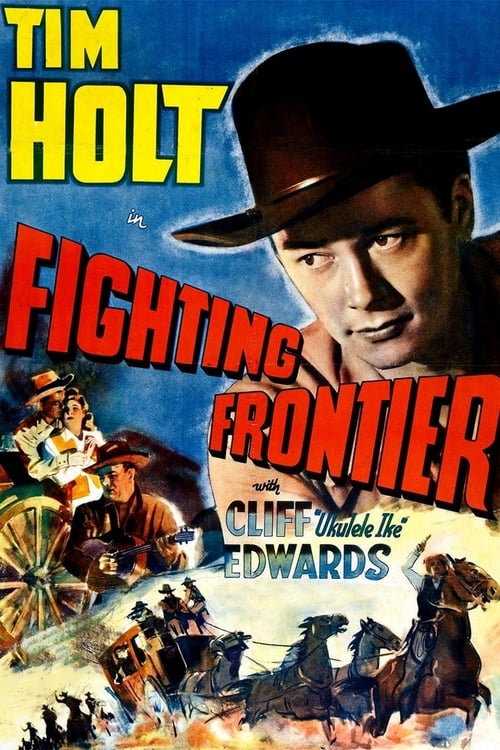
Fighting Frontier is a traditional B-Western that relies on well-established genre clichés and moral conflicts. The story follows a standard undercover agent narrative, reinforcing the traditional notions of authority and justice prevalent in the 1940s. The film serves as a period piece, maintaining the social hierarchies and demographic norms of its era. It lacks depth in reflecting multiple aspects of identity and does not challenge broader social structures. Overall, the production favors predictable archetypes over diverse representation.
Category Breakdown
The film does not include any representation of LGBTQ+ identities or same-sex relationships. It follows the assumption that everyone is straight or cisgender.
The story centers around a male protagonist who performs high-risk undercover work. Female characters likely play supporting or domestic roles within a traditional gender hierarchy.
The film seems to reflect the demographic uniformity of its time. The outlaw cliché often relies on racial contrasts between civilization and lawlessness.
The plot emphasizes upholding law and restoring societal order. It reinforces traditional Western values without challenging patriotism or capitalism.
There is no indication of characters with physical or neurodivergent disabilities in the film.
Present on Screen
Limited or Absent
Official Synopsis
An agent (Tim Holt) goes undercover as an outlaw and almost gets lynched.
1951
1945
1948
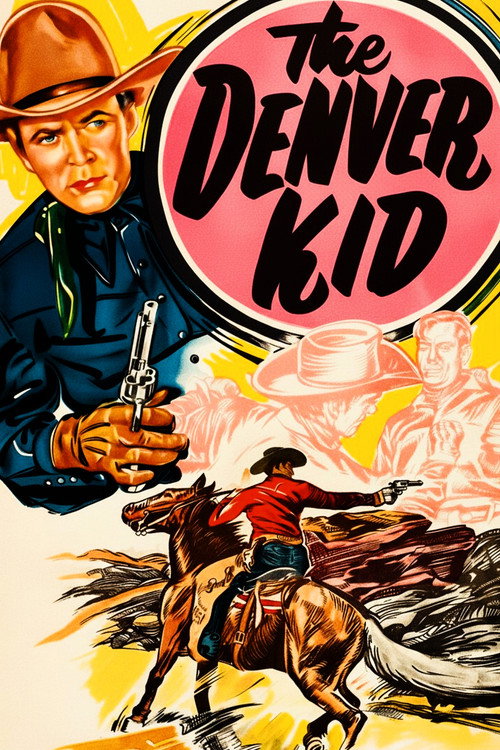
1948
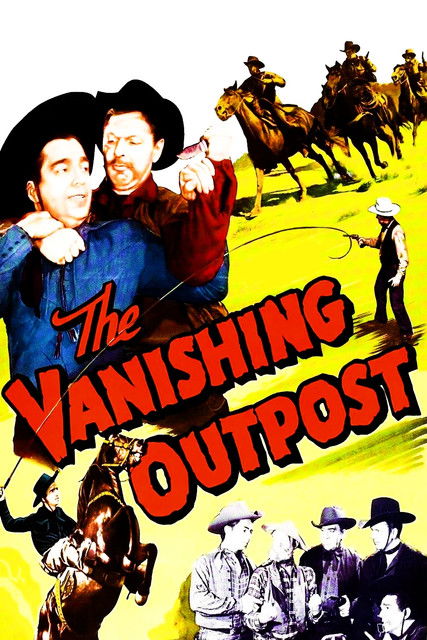
1951
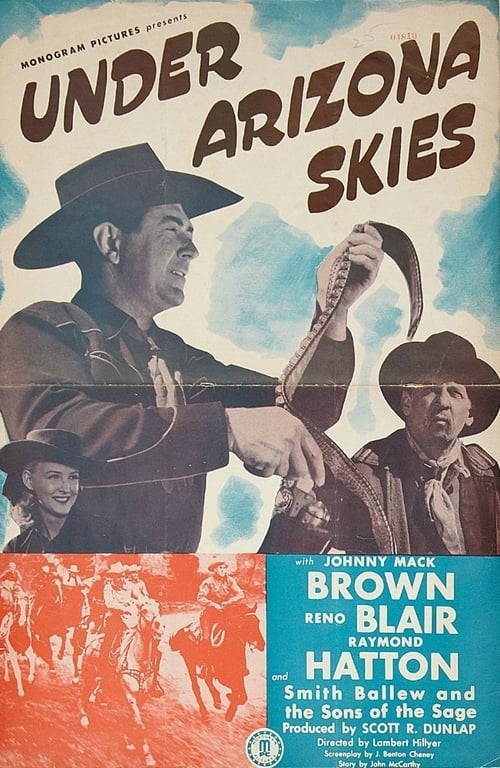
1946

1935
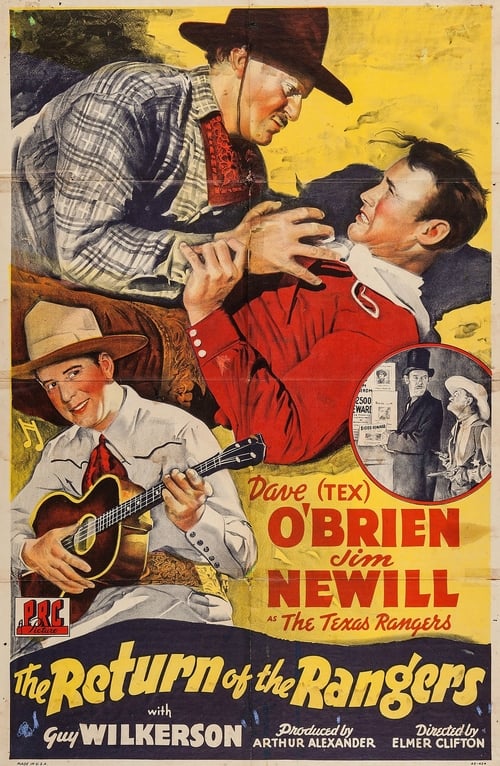
1943
No reviews yet. Be the first to share your thoughts on this movie!
Use the rating form above to leave a star rating and optional review.