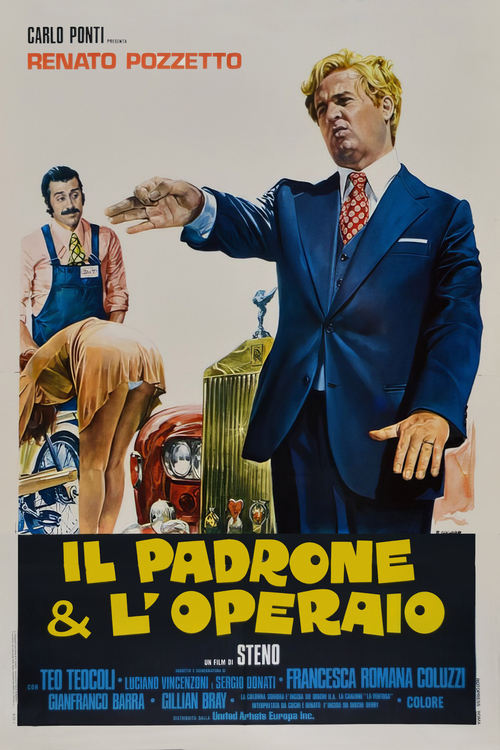
The Boss and the Worker
1975
No user ratings available yet
Representation score: 3.0 out of 10
Representation Score
Fair
1979
Director
Steno
Runtime
103 minutes
Average Rating
No ratings yetNew Showbiz Analysis
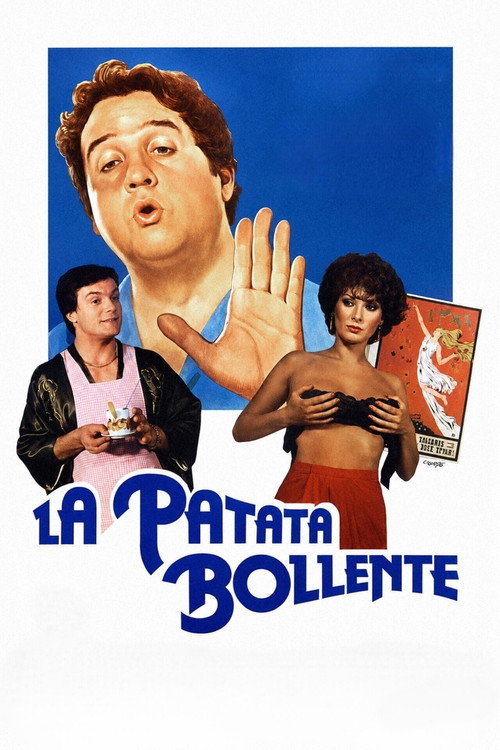
Hot Potato functions as a transitional social comedy that uses character-driven conflict to examine the pressures of working-class life. The film leverages a non-traditional relationship to disrupt established social hierarchies and challenge the protagonist's rugged reputation. However, it remains limited by its narrow demographic focus, prioritizing the exploration of masculine archetypes and labor politics over broader racial or gender-based representation.
Category Breakdown
The story revolves around a relationship between a masculine protagonist and a young gay man, which drives social tension and leads to a personal and social crisis for the main character.
The film centers on the performance of traditional masculinity within a male-dominated industrial setting. It highlights the fragility of these hierarchies but offers little in the way of female empowerment.
The narrative focuses on a localized, homogeneous Italian working-class environment. There is no significant racial or ethnic diversity within the primary cast or story arc.
The film explores class dynamics and the tension between individual empathy and social expectations. It provides a nuanced look at labor-centric themes and rigid community standards.
There are no visible or invisible disabilities portrayed as central to the characters or the narrative development.
Present on Screen
Limited or Absent
Official Synopsis
A factory worker known for his tough attitude and for fighting for workers' rights starts losing credibility when friends and co-workers see him helping a young gay man.
1975
1963
1976
1978
1981
1979
1969
1983
No reviews yet. Be the first to share your thoughts on this movie!
Use the rating form above to leave a star rating and optional review.