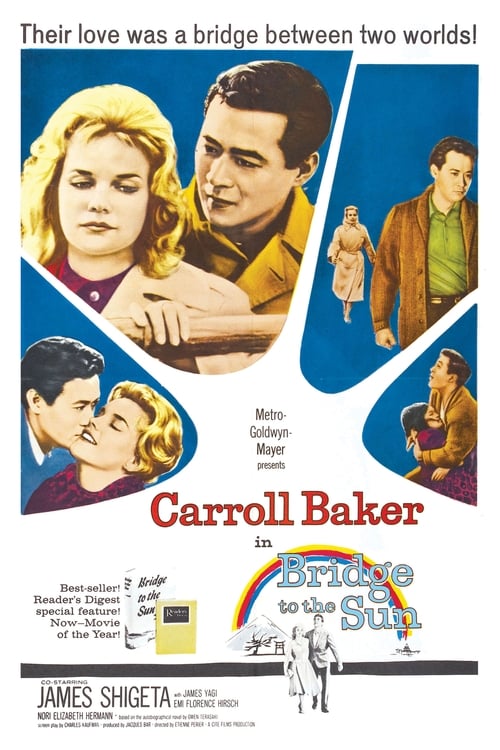
Bridge to the Sun
1961
No user ratings available yet
Representation score: 3.8 out of 10
Representation Score
Limited
1960
Director
Kinuyo Tanaka
Runtime
102 minutes
Average Rating
No ratings yetNew Showbiz Analysis
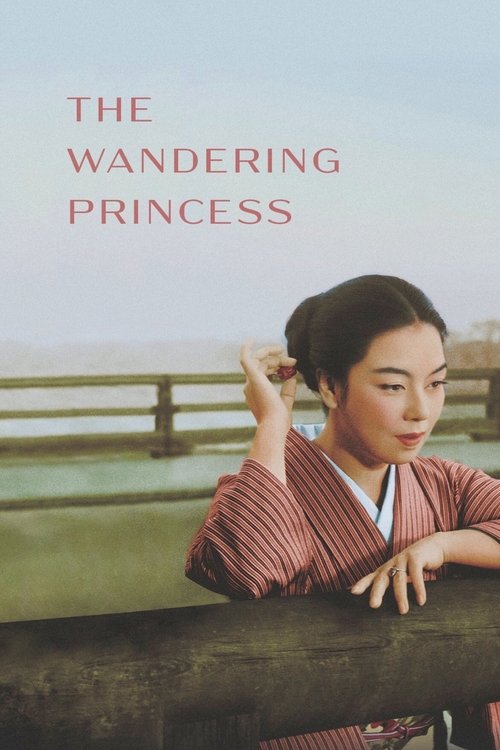
Kinuyo Tanaka’s direction focuses on the emotional journey of Ryuko amid the collapse of the Manchukuo state. The film uses the disintegration of an imperial institution to explore the fluidity of identity and personal intimacy. While the film offers a nuanced look at the intersection of Japanese, Chinese, and Manchu identities, it lacks representation for LGBTQ+ individuals or people with disabilities. The narrative is primarily driven by the romantic bond between the central couple and the geopolitical upheaval of the era.
Category Breakdown
The film does not depict any non-straight relationships or identities, focusing solely on the marriage between Pu Zhe and Ryuko.
The story centers on Ryuko's emotional journey, emphasizing her role and intelligence within a political crisis. This approach challenges traditional war clichés by highlighting domestic and emotional aspects.
The film examines the ethnic landscape of Manchukuo, featuring Japanese, Chinese, and Manchu aristocratic elements. This provides insight into cross-cultural interactions during a time of significant change.
The narrative highlights the instability of traditional institutions, framing the fall of the imperial brother as a catalyst for personal transformation rather than glorifying the empire.
There is no information about the depiction of physical or neurodivergent disabilities in this work.
Present on Screen
Limited or Absent
Official Synopsis
Pu Zhe, younger brother of the Emperor of Manchukuo, marries Ryuko, daughter of an aristocratic family. To the surprise of all, a deep love between Pu Zhe and Ryuko develops and is put to the test when Japan loses the war.
1961

1957

1958

1955

1965
1976

1979

1959
No reviews yet. Be the first to share your thoughts on this movie!
Use the rating form above to leave a star rating and optional review.