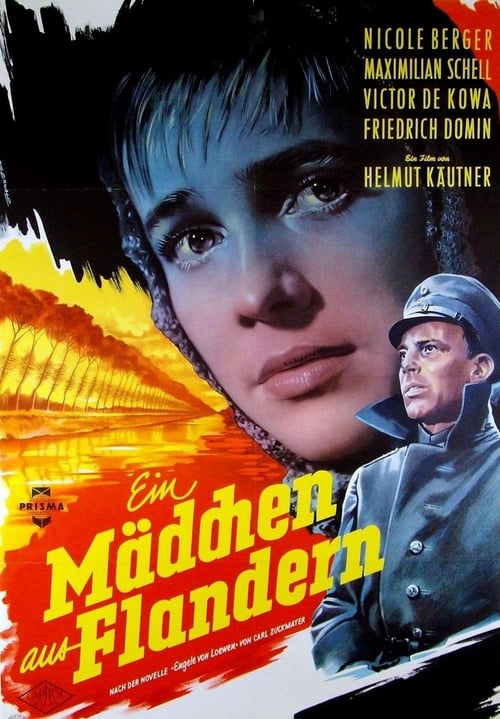
A Stranger in My Arms
1959
No user ratings available yet
Representation score: 2.4 out of 10
Representation Score
Limited
1956
Director
Helmut Käutner
Runtime
105 minutes
Average Rating
No ratings yetNew Showbiz Analysis
Helmut Käutner’s drama is a period romance that emphasizes human connections amid the chaos of World War I. While the film offers psychological depth through its focus on individual wartime experiences, it remains bound to the social norms of 1956. The production adheres to standard mid-century cinematic structures, focusing on a central heterosexual romance. It does not aim to disrupt traditional power dynamics or incorporate diverse multi-layered identities. Ultimately, the film functions as a character study within a narrow cultural framework, lacking representation for LGBTQ+ individuals, people with disabilities, or non-European ethnic groups.
Category Breakdown
The film does not include any LGBTQ+ characters or stories. It centers on a traditional romance between a German soldier and a Flemish woman.
The story follows gender roles typical of the mid-1950s and conventional romantic themes. Although the female lead likely has strong emotional influence, the film does not challenge traditional power dynamics.
The film examines German and Flemish identities during World War I. However, it does not include the diverse multi-layered identities expected in contemporary contexts.
Set during World War I, the film operates within traditional nationalist and institutional frameworks. It does not explicitly critique Western or religious institutions.
There are no characters with visible or invisible disabilities that play a significant role in the plot or narrative.
Present on Screen
Limited or Absent
Official Synopsis
A love story between a German soldier and a young Flemish woman amidst World War I.
1959
1958

1957

1955
1956

1957

1938

1932
No reviews yet. Be the first to share your thoughts on this movie!
Use the rating form above to leave a star rating and optional review.