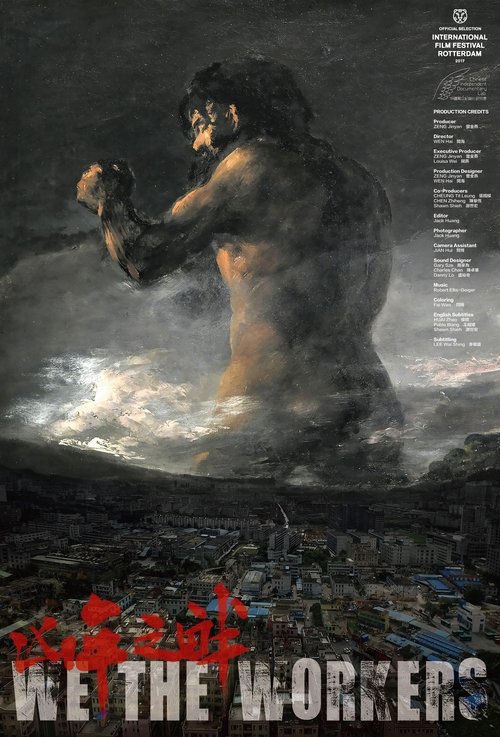
We the Workers
2017
No user ratings available yet
Representation score: 6.2 out of 10
Representation Score
Excellent
2015
Director
Im Heung-soon
Runtime
95 minutes
Average Rating
No ratings yetNew Showbiz Analysis
Im Heung-soon’s documentary offers a sophisticated look at the lives of underrepresented female workers by focusing on their experiences. It challenges traditional narratives of economic success through a nuanced, transnational lens. The film effectively links gender, class, and nationality, moving beyond a single nation’s history to critique global economic dynamics. By comparing South Korea and Cambodia, it underscores the ongoing nature of labor exploitation across borders. While the film is a strong critique of systemic inequality, it does not specifically address LGBTQ+ identities or disability narratives. Its strength lies in its structural analysis of how economic development affects the female body and the global workforce.
Category Breakdown
The film emphasizes class and gender-based exploitation rather than focusing on LGBTQ+ stories. It avoids negative stereotypes but does not highlight diverse sexual orientations or gender identities.
Women are central to the story, shown as key figures in economic survival rather than traditional homemakers. The film tracks their roles from 1960s textile workers to current service industry employees.
The film uses a transnational perspective to link South Korean labor history with contemporary female factory workers in Cambodia. This approach highlights shared systemic issues faced by different ethnic groups.
The documentary criticizes rapid capitalist expansion and the institutions that enable exploitation. It frames the working-class struggle as a systemic issue rather than individual failure.
The film does not explicitly address characters with specific physical or cognitive disabilities. However, it examines the physical strain caused by repetitive labor.
Present on Screen
Limited or Absent
Official Synopsis
The drastic economic development in South Korea once surprised the rest of the world. However, behind of it was an oppression the marginalized female laborers had to endure. The film invites us to the lives of the working class women engaged in the textile industry of the 1960s, all the way through the stories of flight attendants, cashiers, and non-regular workers of today. As we encounter the vista of female factory workers in Cambodia that poignantly resembles the labor history of Korea, the form of labor changes its appearance but the essence of the bread-and-butter question remains still.
2017
1976
2020
2019
2014
2011
2004
2017
No reviews yet. Be the first to share your thoughts on this movie!
Use the rating form above to leave a star rating and optional review.