
Westward the Women
1951
No user ratings available yet
Diversity score: 2.9 out of 10
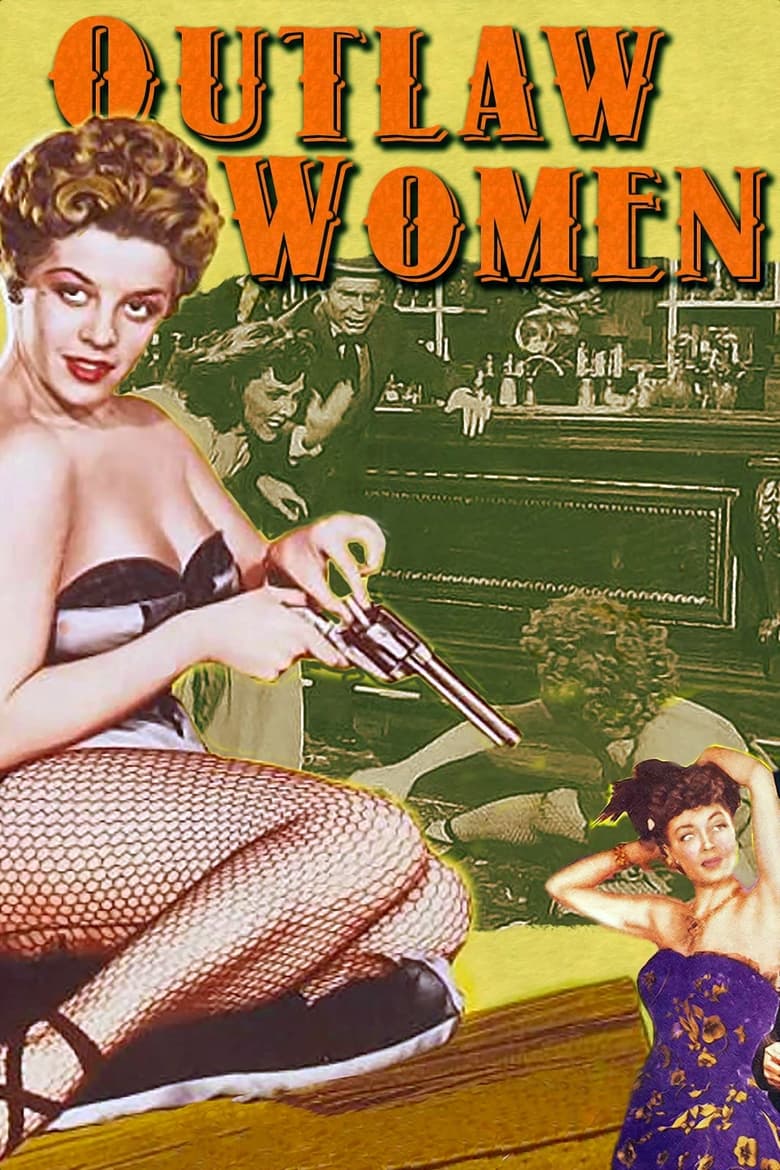
1952
NRDirector
Ron Ormond, Sam Newfield
Runtime
75 minutes
Average Rating
No ratings yetSynopsis
A old west town run by women. All the town's business is controlled by a woman gambler who tries not to succumb to the allure of a handsome and persistent cowboy.
Overall Score
Fair
Category Breakdown
LGBTQ+ Representation
The film lacks any evidence of non-cisnormative identities or same-sex intimacy. It adheres to standard 1950s heteronormative romantic tropes, focusing on the tension between the female lead and a persistent cowboy.
Gender Representation
The narrative disrupts Western conventions by centering female agency. By placing women in control of the town's business and social authority, the film subverts traditional patriarchal hierarchies.
Racial & Ethnic Diversity
Casting appears homogeneous, reflecting the era's tendency to view the frontier through an Anglo-Saxon lens. There is no evidence of significant racial blending or color-blind casting.
Religious & Cultural Diversity
The story explores moral relativism by centering on outlaws. While it moves away from rigid morality, it lacks explicit anti-institutional or anti-capitalist messaging.
Disability Representation
There are no identifiable depictions of physical or neurodivergent characters within the narrative.
Strengths
Areas for Improvement
AI Analysis
Outlaw Women offers a notable inversion of the traditional Western genre by granting women economic and social power. The film replaces the submissive frontier woman archetype with protagonists who occupy roles of leadership and criminality. However, these advancements are limited by the era's social constraints. The film remains tethered to a homogeneous casting approach and lacks intersectional depth, failing to represent diverse racial or LGBTQ+ identities. Ultimately, the film is a study in genre subversion that succeeds in gender role reversal while remaining bound by the racial and social norms of 1952.
1951
1953
1935
1954
1968
1949
1951
1922
1942
1941

1946
1940
No reviews yet. Be the first to share your thoughts on this movie!
Use the rating form above to leave a star rating and optional review.