
Chinatown
1974
No user ratings available yet
Representation score: 3.5 out of 10
Representation Score
Limited
1974
PGDirector
Francis Ford Coppola
Runtime
115 minutes
Average Rating
No ratings yetNew Showbiz Analysis
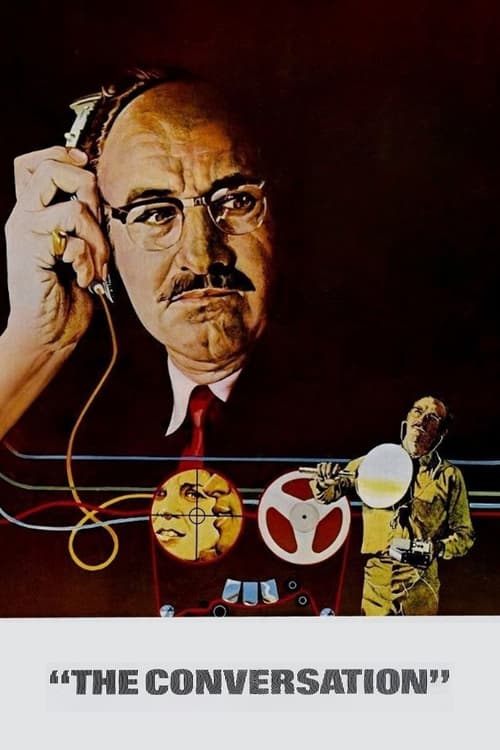
The Conversation is a masterwork of postmodern cinema that prioritizes thematic depth over demographic diversity. It excels in its intellectual critique of systemic surveillance and the instability of truth, offering a sophisticated look at moral relativism. However, the film remains tied to the social norms of 1974. It lacks racial and ethnic diversity and LGBTQ+ representation, resulting in lower scores for traditional diversity metrics. Ultimately, the film's strength lies in its disruption of the 'objective observer' cliché. It highlights the fragility of the individual within a technological system, even if its character demographics are limited.
Category Breakdown
The film focuses on a lone male protagonist and a heterosexual relationship. It does not include non-cisgender identities or stories related to LGBTQ themes.
Gender roles are traditional and divided. Female characters like Amy mainly act as catalysts for the protagonist's journey rather than driving the main plot.
The cast is fairly uniform, reflecting a mid-1970s urban San Francisco. The story does not incorporate diverse ethnic viewpoints into the core conflict.
The film provides a nuanced critique of institutional power and privacy. It employs a postmodern framework to challenge the idea of objective truth.
The story examines psychological isolation and paranoia through the protagonist. However, these traits serve as thriller elements rather than representing neurodivergence with ability to act.
Present on Screen
Limited or Absent
Official Synopsis
A paranoid, secretive surveillance expert has a crisis of conscience when he suspects that the couple he is spying on will be murdered.
1974
1976

1999

1948

1981
1971

1980

1981
No reviews yet. Be the first to share your thoughts on this movie!
Use the rating form above to leave a star rating and optional review.